

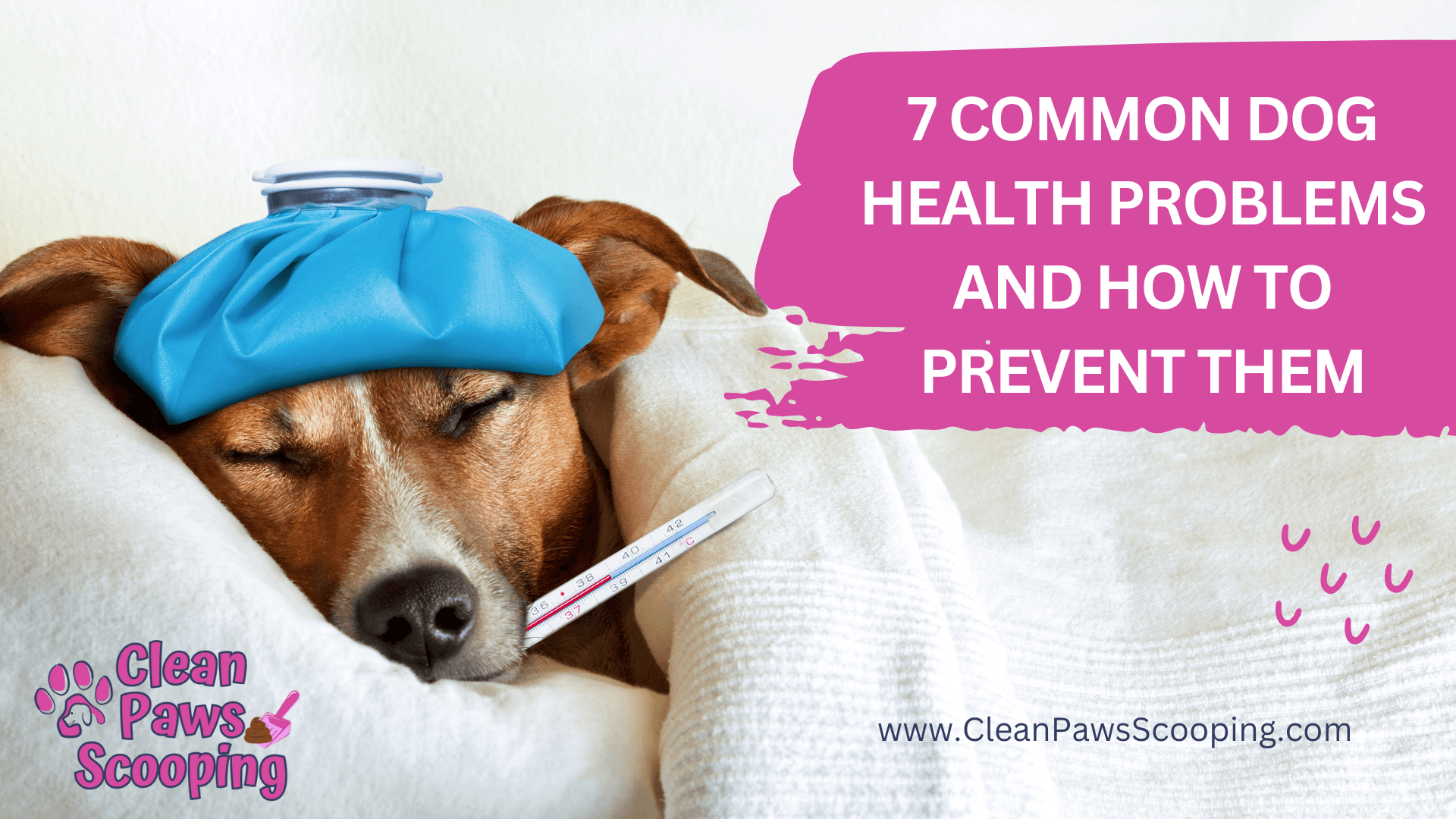
7 Common Dog Health Problems and How to Prevent Them
Dogs may not speak our language, but they do tell us when something’s wrong—if we know what to look for. As pet parents, one of the most loving things we can do is learn the warning signs of common health issues and take simple steps to prevent them.
From itchy skin to more serious conditions like heartworm, many health problems in dogs can be avoided or minimized with a little proactive care. Whether you’re a new dog owner or a seasoned pet pro, this guide will help you keep your furry friend happy, healthy, and tail-wagging.
1. Dental Disease
- Brush your dog’s teeth regularly: Use a toothbrush and toothpaste made specifically for dogs. Aim for brushing at least 2-3 times per week.
- Provide dental chews or toys: Choose products with the Veterinary Oral Health Council (VOHC) seal of approval to ensure they are effective.
- Schedule professional cleanings: Your vet can perform deep cleanings and check for early signs of dental disease.
2. Obesity
- Stick to portioned meals: Consult your vet or use a feeding chart based on your dog’s weight, breed, and activity level.
- Limit treats: Treats should make up no more than 10% of your dog’s daily calories. Opt for healthy options like carrot sticks or apple slices.
- Ensure daily exercise: Daily walks, play sessions, and interactive toys can keep your dog active and trim.
3. Ear Infections
- Clean ears regularly: Use a vet-approved ear cleaner and gently wipe out wax or debris. Avoid using cotton swabs deep in the ear canal.
- Dry ears after water exposure: After baths or swimming, use a towel or cotton ball to gently dry the inside of your dog’s ears.
- Monitor for signs of irritation: Regular checks can help you catch infections early before they worsen.
4. Fleas and Ticks
- Use monthly preventatives: Speak with your vet about topical or oral flea/tick control options.
- Keep your yard clean: Mow the grass regularly and remove brush or debris where pests may hide.
- Check your dog after outdoor play: Use a flea comb and inspect high-risk areas like ears, armpits, and between toes.
5. Parvovirus (Parvo)
- Vaccinate your puppy: Stick to the vaccination schedule provided by your vet.
- Avoid high-risk areas: Until your puppy is fully vaccinated, steer clear of dog parks, pet stores, or anywhere unknown dogs gather.
- Disinfect properly: If exposed, clean with vet-approved disinfectants, as parvo is resistant to many household cleaners.
6. Skin Allergies (Canine Atopic Dermatitis)
- Regular baths with medicated shampoo: Helps reduce allergens on your dog’s coat and soothe irritated skin.
- Manage diet and environment: Work with your vet to identify food or environmental triggers and eliminate them when possible.
- Use flea control consistently: Flea bites can trigger severe allergic reactions in sensitive dogs.
7. Heartworm Disease
- Use monthly preventatives: These medications protect against heartworms and often cover intestinal parasites too.
- Minimize mosquito exposure: Use screens, remove standing water, and avoid outdoor play during peak mosquito hours.
- Annual testing: Even with preventatives, yearly tests ensure early detection and peace of mind.
BONUS: One Overlooked but Preventable Problem—Yard Hygiene
Dog poop isn’t just an eyesore—it can contribute to parasites, bacteria, and pest problems that affect your dog’s health. In summer months, especially in Georgia’s heat, waste breaks down faster and attracts more flies, spreading germs through your yard and into your home and increasing summer health risks.
Solution? Stay on top of it with regular scooping—or let Clean Paws Scooping do it for you. We keep your lawn safe and sanitary so your dog can play, sniff, and roll around without worry.
Final Thoughts
Your dog depends on you for everything—from food and love to health protection. By staying informed, acting early, and committing to regular care routines, you can prevent many of the most common health issues dogs face while preparing your dog for fall.
And when it comes to keeping your yard poop-free and pet-safe, we’ve got your back (and your lawn).
Get a free quote today from Clean Paws Scooping and enjoy a cleaner yard and a healthier, happier pup—no matter the season.