

What Is Pet Waste Management and Why It Matters for Dog Owners
Spring has a way of making everything feel possible again. Windows open. Shoes come off. Dogs spend more time outside. Yards wake up after winter.
Are you new to owning a dog or managing a yard that your dog uses every day?
Then you may have heard people talk about pet waste management and quietly wondered what they meant. It is one of those phrases that sounds official, but many dog owners are not exactly sure what it includes or why it matters so much.
You are not alone.
In the world of dog ownership, most people want to appear like they have everything under control. Asking basic questions about yard care or waste cleanup can feel a little embarrassing, especially when neighbors seem to have it figured out.
Today you are in luck because we are going to walk through everything you need to know about pet waste management in simple terms. By the time you finish reading, you will understand what it means, why it matters for your dog’s health, and how it protects your yard all year long.
If you have ever stepped outside and wondered why your yard smells stronger in summer or why certain spots of grass keep struggling, understanding pet waste management will help explain exactly what is happening.
That decision is not buying a new tool or changing your grass. It is not switching dog food or adding a deodorizer. It is not even scooping more often.
It is building one simple spring yard habit early before warm weather fully sets in.
When this habit is in place, dog poop cleanup becomes easier, faster, and far less stressful all year long. When it is not, even the best intentions tend to fall apart by summer.
Let’s talk about what that habit is and why it matters so much.
What Is Pet Waste Management
Winter hides problems. Leaves collect. Grass thins. Waste freezes or sinks into soft soil. By the time spring arrives, many yards already have layers of buildup that dog owners do not fully notice.
In simple terms, pet waste management means consistently removing and disposing of dog waste in a way that protects your yard, your dog, and the people who use the space.
It describes the system dog owners use to keep outdoor areas clean and safe by managing how waste is handled from the moment a dog relieves itself until the waste is properly removed and disposed of.
Pet waste management aims to keep yards sanitary, prevent bacteria buildup, and protect grass and soil from damage caused by concentrated waste.
It also supports healthier outdoor spaces by reducing odors, limiting pests such as flies, and preventing contamination from spreading through soil, rainwater, or foot traffic.
For dog owners, this practice is not just about appearances. It is about maintaining a safe environment where dogs can play and families can enjoy their yards without worrying about hidden health risks.
Many homeowners first start thinking about this after noticing odor or sanitation issues, especially when learning from Common Summer Yard Smells Dog Owners Ignore That Can Signal Bigger Problems how buildup develops quietly in hot weather.
Understanding pet waste management becomes even more important once you realize how seasonal routines affect your yard, something explained clearly in How Often Should You Scoop Dog Poop in Summer to Protect Your Yard and Your Dog.
The habit that makes the biggest difference is not how often you scoop. It is when and how you reset your yard after winter.
Dog owners who treat early spring as a reset window rather than just a cleanup task tend to experience fewer odor issues, fewer missed piles, and fewer moments of frustration later in the year.
Why Pet Waste Management Is Important
Some people believe dog waste naturally breaks down and becomes fertilizer for the yard. That idea has been repeated for years, but it is not accurate.
Dog waste is very different from manure produced by animals like cows or horses. Instead of nourishing soil, dog waste contains bacteria, parasites, and high levels of nitrogen that can damage grass and contaminate the environment.
Research has shown that untreated pet waste can carry organisms that cause illness in both pets and humans. These include bacteria that survive in soil and can spread through rainwater runoff or direct contact.
For dog owners, this means waste left behind does more than create an unpleasant smell. It can affect lawn health, air quality near the ground, and even the cleanliness of your home if dogs track residue indoors on their paws.
Regular waste removal helps prevent these issues before they become noticeable. It protects your dog’s health, keeps your yard usable, and reduces long term lawn damage.
Many families do not realize how quickly problems build up until the weather warms and odors become stronger. By that point the underlying issue has already been developing for weeks.
Background of Pet Waste Management
While cleaning up after dogs may seem like a modern responsibility, organized approaches to pet waste management began gaining attention in the late twentieth century as urban areas became more densely populated.
As more households began owning dogs in suburban neighborhoods and city environments, communities realized that unmanaged waste created sanitation challenges in shared spaces.
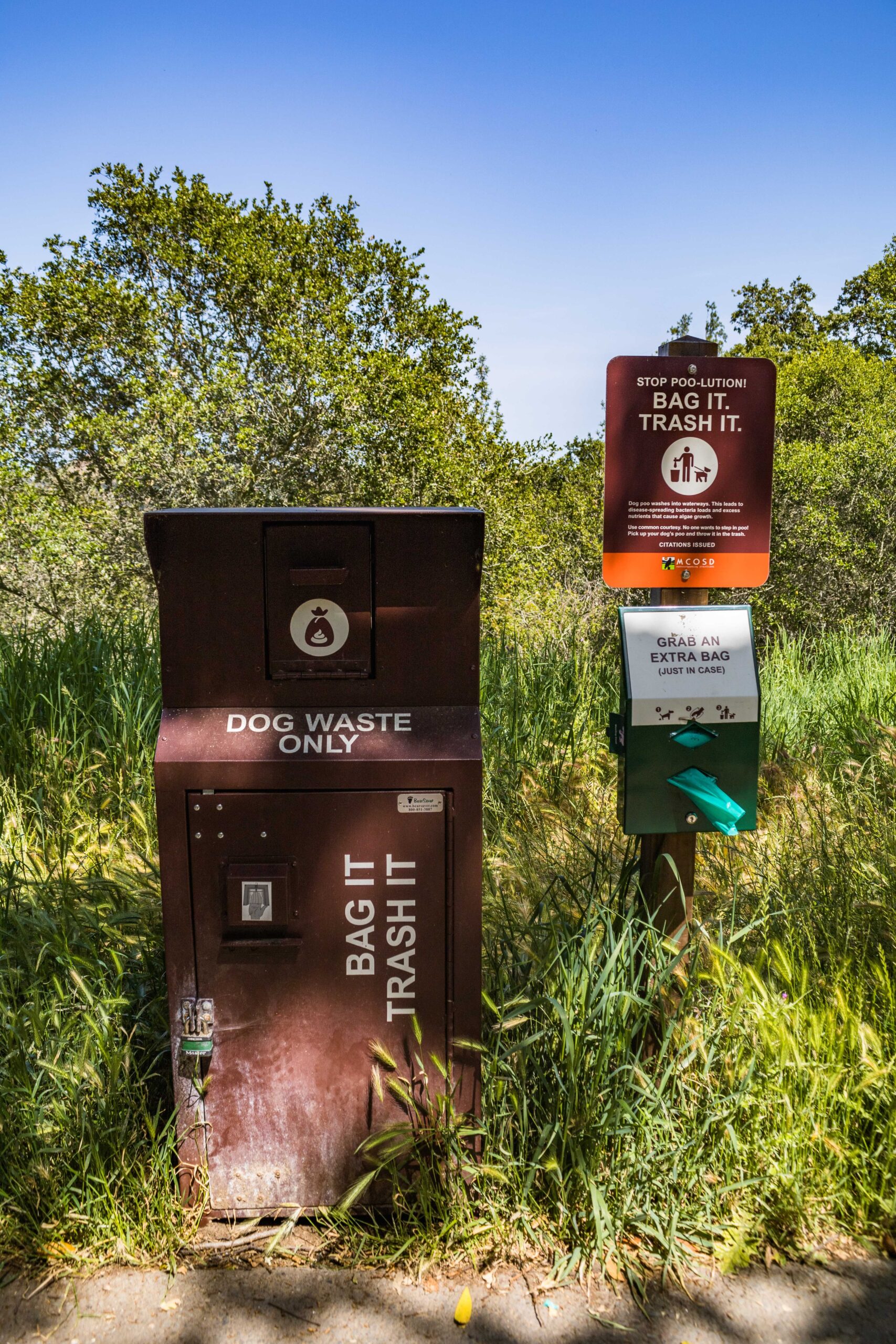
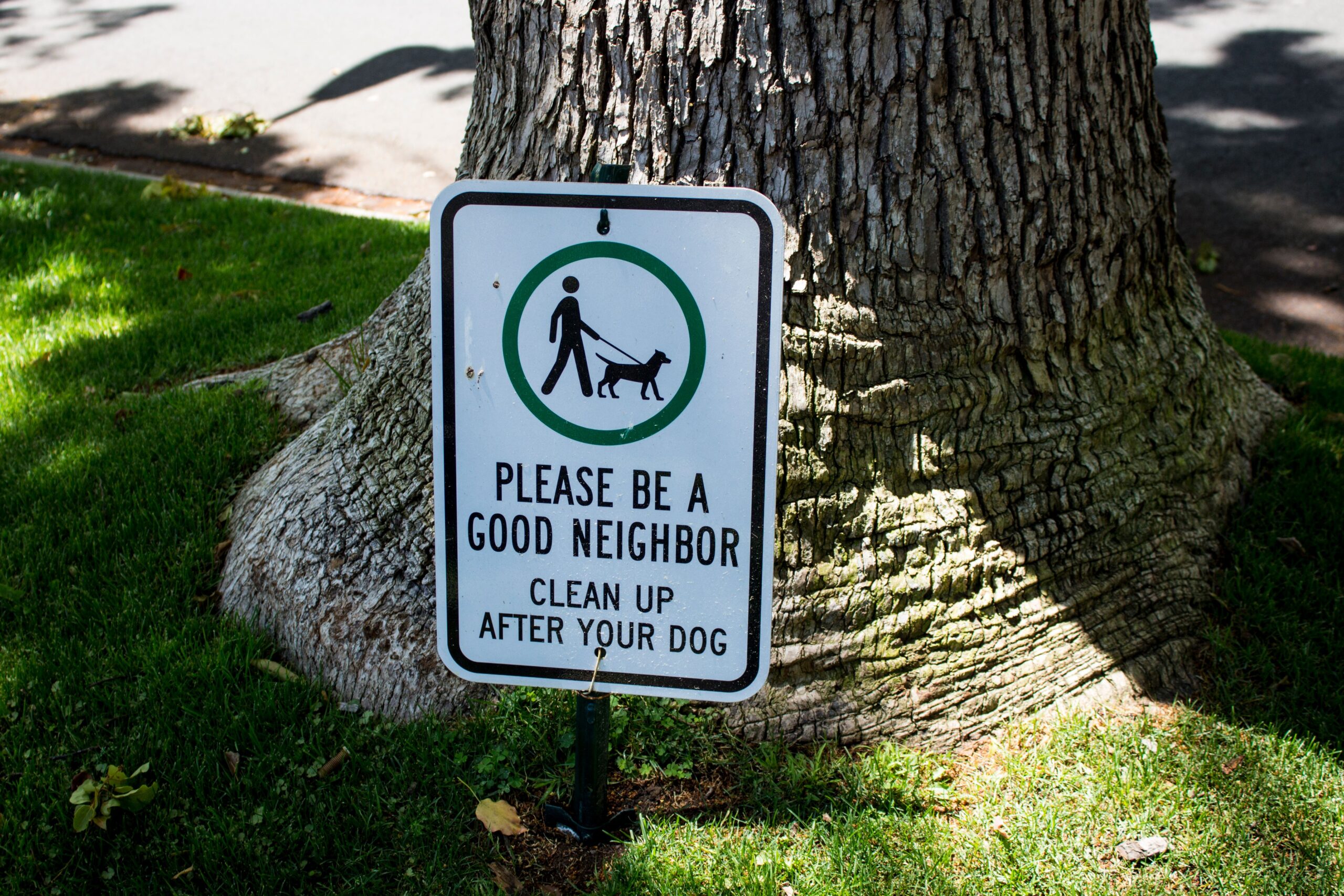
Public parks and walking trails were some of the first places to introduce structured waste disposal systems. Waste bag stations, designated dog areas, and cleanup policies became common tools to encourage responsible pet ownership.
Over time, the concept expanded beyond public spaces into residential yard care. Homeowners began recognizing that consistent cleanup practices helped maintain healthier lawns and safer environments for pets and children.
Today professional pet waste removal services exist because many dog owners want reliable routines that keep their yards clean without adding another chore to their busy schedules.
How Pet Waste Management Works
Understanding how pet waste management works in practice helps explain why routine matters so much.
At its core, the process involves three key steps.
First, waste must be removed consistently. The longer waste sits in a yard, the more bacteria and odor compounds develop as it breaks down.
Second, waste must be disposed of properly. Leaving bagged waste in open areas or uncovered bins can still attract pests and spread odor.
Third, the yard environment must be monitored so that problem areas do not develop unnoticed.
Many dog owners underestimate how quickly small issues can grow into larger ones during warm weather. Heat accelerates bacterial growth and odor production, which is why routines that worked in cooler months may not be enough during summer.
Example One Real Yard Routine
Consider a typical household with one dog and a moderately sized yard.
If waste is removed once per week during cooler months, the yard may remain manageable because bacterial growth happens slowly.
In summer, however, that same routine can produce noticeable odor within days because heat speeds up decomposition.
By adjusting the schedule to match seasonal conditions, homeowners prevent buildup before it becomes a problem.
Example Two Multi Dog Households
Homes with more than one dog often experience faster waste accumulation.
Dogs tend to revisit the same areas repeatedly, which concentrates nitrogen and bacteria in specific zones of the yard.
Without consistent removal, these areas can develop strong odor and lawn damage more quickly than other parts of the yard.
Regular cleanup combined with rotating potty zones helps distribute wear across the lawn and maintain healthier soil conditions.
Example Three Professional Service Approach
Professional pet waste removal companies follow systematic routines designed to prevent buildup cycles.
Technicians inspect yards carefully, remove waste thoroughly, and monitor patterns in how dogs use the space.
This approach helps identify problem areas early and ensures waste does not sit long enough to create sanitation concerns.
Explainer Video Time Pet Waste Management
If you prefer visual learning, watching a short educational video about pet waste management can make the concept even clearer.
Many environmental organizations have produced helpful videos explaining how dog waste affects soil, water systems, and public health. These resources demonstrate why responsible cleanup is considered a basic part of dog ownership.
One of the most interesting points highlighted in many of these videos is how quickly bacteria spreads when waste is left unattended outdoors. Even small amounts can affect the surrounding environment if they remain in place long enough.
Final Thoughts
Pet waste management may sound like a technical phrase, but the idea behind it is simple.
Keeping your yard clean protects your dog’s health, preserves your lawn, and creates a safer environment for everyone who spends time outside.
Consistent routines are the key. When waste is removed regularly and the yard is monitored for buildup, problems rarely reach the stage where odors or damage become overwhelming.
At Clean Paws Scooping, we started this company because many dog owners wanted reliable help maintaining clean yards without feeling judged or overwhelmed by the task.
If you still have questions about keeping your yard healthy or building a routine that works for your home, we are always happy to help.
One simple way to improve your pet waste management routine is to establish a consistent cleanup schedule that matches your dog’s habits and the conditions in your yard.
If managing that routine feels like one more thing on your list, Clean Paws Scooping can help. Our team works with families across North Metro Atlanta to maintain clean, safe yards so dogs and owners can enjoy outdoor spaces without stress.
Visit CleanPawsScooping.com to request a free quote and learn how our weekly service can make yard care easier all year long.
Our business is picking up their business. 🐾
