
The Science Behind Dog Pee Spots Why Some Yards Get Damaged Faster Than Others
Are you ready to stop battling yellow spots, dead grass, and patchy areas in your yard?
You may have already searched online for miracle lawn treatments, asked your neighbors what they use, or blamed your dog for ruining the grass, but there is a lot more going on beneath the surface than most homeowners realize.
Many people believe dog urine automatically destroys every lawn, but that may actually be holding you back from finding real solutions. The truth is that some yards handle dog activity surprisingly well while others seem to suffer damage almost overnight.
If you are struggling with brown spots spreading across your lawn in North Metro Atlanta, this is the place for you.
Ready to dive into a behind the scenes look at what goes into protecting your yard from dog pee damage?

Always Remember to Look at the Bigger Picture
If you have been finding yourself frustrated every time you notice another yellow patch in the grass, you may want to take a step back and look at the overall health of your lawn instead of blaming your dog alone.
Ask yourself why some yards seem to recover quickly while others continue getting worse month after month.
The answer often comes down to lawn conditions, maintenance habits, weather patterns, and how concentrated the urine becomes in certain areas.
Dog urine contains nitrogen. Interestingly, nitrogen is actually one of the key ingredients in lawn fertilizer. Small amounts can even help grass grow greener. The problem happens when too much nitrogen hits the same spot repeatedly. That overload essentially burns the grass.
In North Metro Atlanta, late summer and early fall can make this problem even worse. After long stretches of heat, drought stress weakens many lawns. Once cooler September evenings begin arriving, homeowners often notice damaged areas more clearly because the surrounding grass starts recovering while the dead spots remain.
Certain grass types are also more sensitive than others. Bermuda grass tends to recover faster than fescue in heavily used dog areas. Poor drainage, compacted soil, and shaded backyards can all increase the likelihood of visible damage.
Hint: I have another post on how summer heat affects your lawn and your dog’s outdoor routine over here. That article breaks down how heat stress impacts both grass and pets during Georgia summers.
My Routine for Keeping a Dog Friendly Lawn Healthy
I am happy to say that many homeowners can dramatically improve the condition of their yard without giving up their dogs or turning their backyard into an off limits space.
A healthy routine directly influences your lawn’s ability to recover from wear and tear.
A day in a dog friendly yard looks a little like this:
Morning
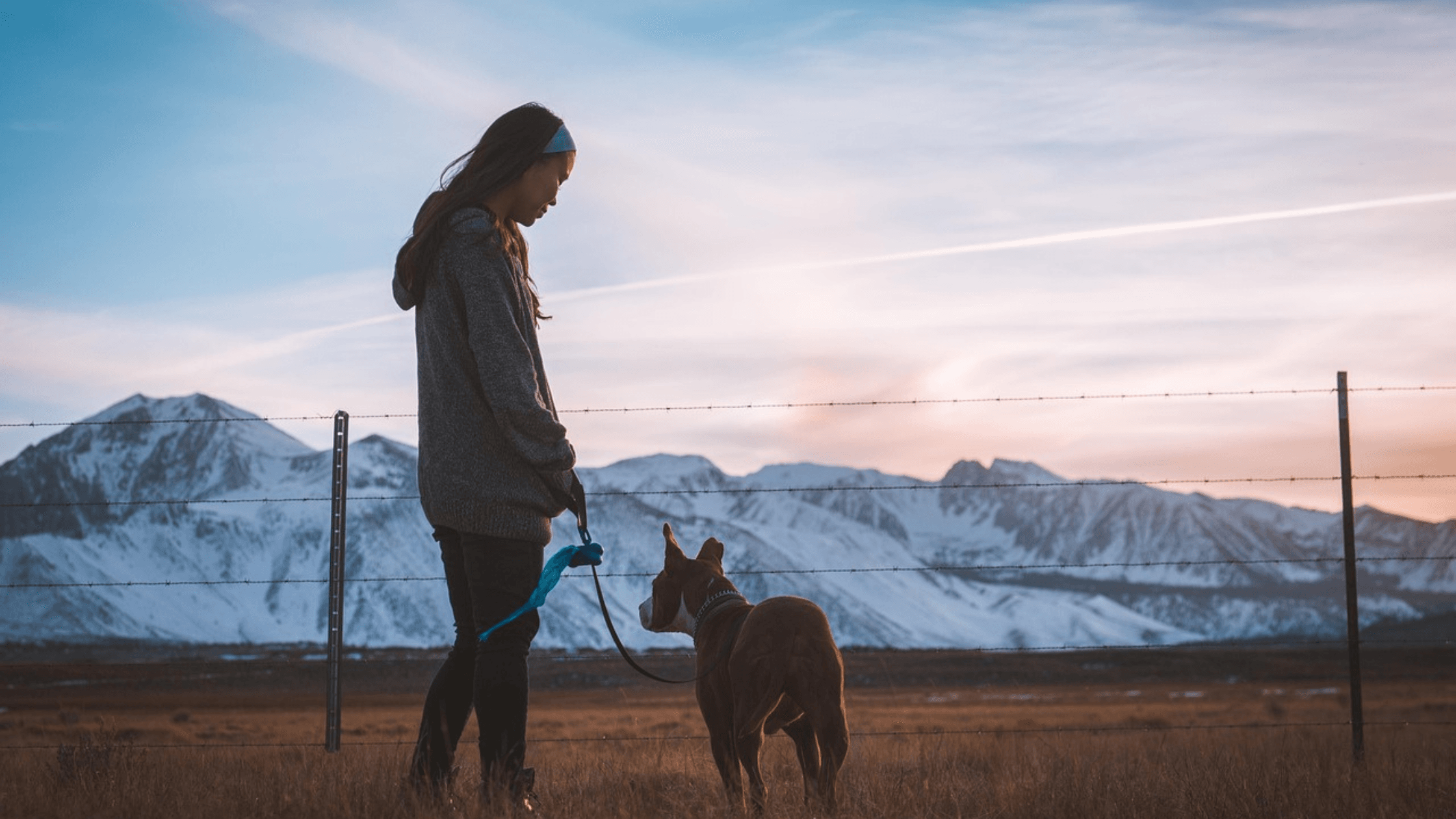
Morning is one of the best times to inspect your lawn. If you notice fresh urine spots, lightly watering the area can help dilute concentrated nitrogen before it burns the grass.
This does not mean soaking the yard every day. Even a quick rinse in heavily used potty areas can make a noticeable difference over time.
Morning is also a smart time to check for waste buildup. Dog waste left in the yard can weaken grass health and create additional stress on the lawn ecosystem.
Noon
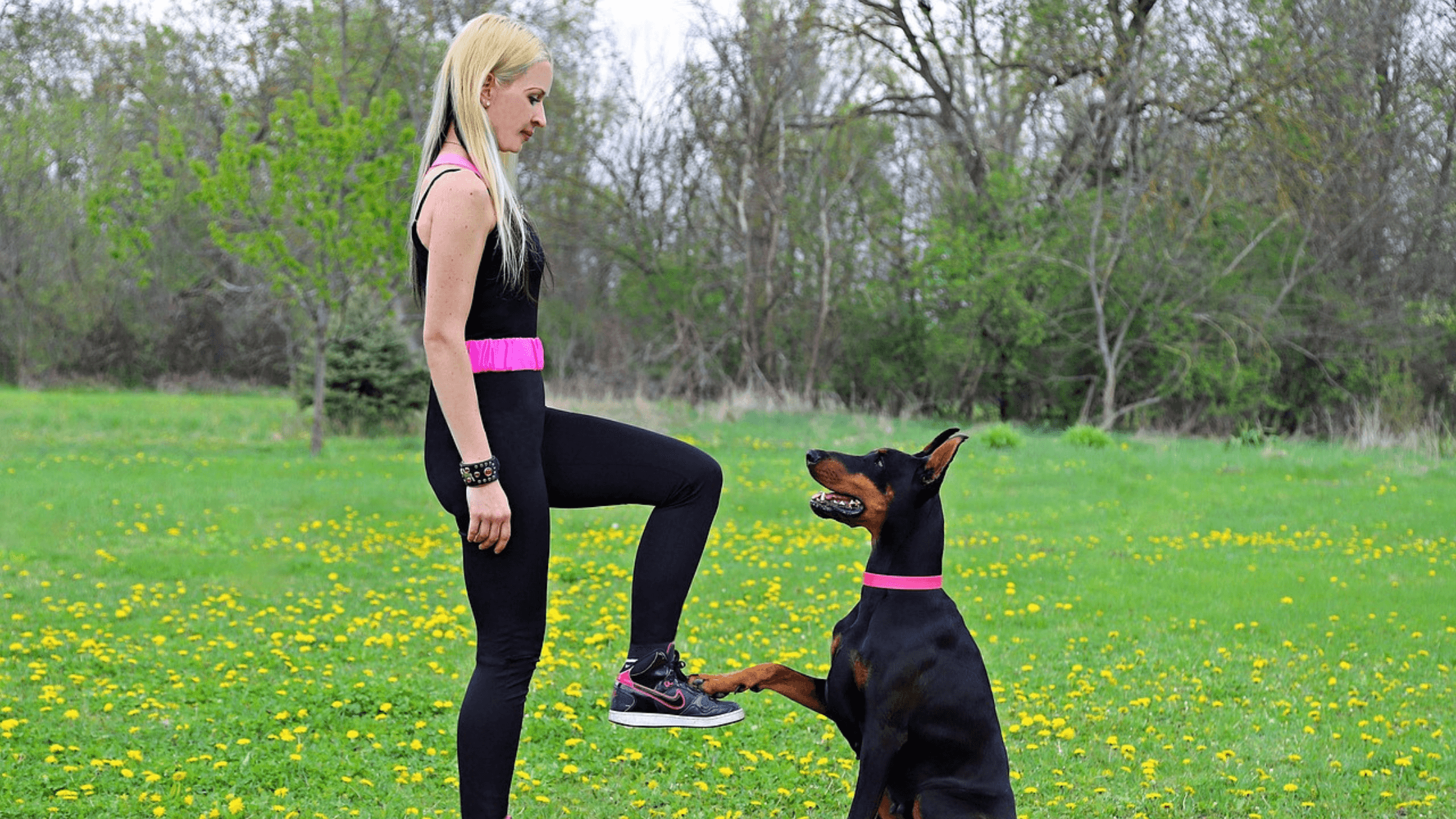
During warmer months, midday heat places significant pressure on your grass. Lawns already stressed from dehydration recover much slower from urine exposure.
This is why watering schedules matter so much in Georgia. Deep, consistent watering encourages stronger root systems that tolerate traffic and pet activity better.
If your yard receives heavy sun exposure, rotating potty locations may help reduce repeated damage in one concentrated area.
Evening
Evenings are a great opportunity to inspect high traffic areas and evaluate how your lawn is recovering.
Many homeowners are surprised to learn that damaged grass is often connected to repeated use patterns rather than one single issue. Dogs naturally return to familiar spots, especially along fences, near patios, or close to gates.
Some families even create designated potty zones using mulch, gravel, or artificial turf to protect their primary lawn areas.
How is your current routine helping your yard recover?
Do not be afraid to change things up if certain strategies are not working. Every lawn, every dog, and every property layout is different.
Whatever works best for your yard is what will work best for maintaining long term lawn health.
Some Advice from Turf Experts and Veterinarians
I like gathering information from a variety of trusted sources because lawn care and pet health often overlap more than people realize.
Many turf experts agree that hydration plays a major role in minimizing lawn damage. Well hydrated dogs produce more diluted urine, which may reduce the intensity of nitrogen concentration on the grass.
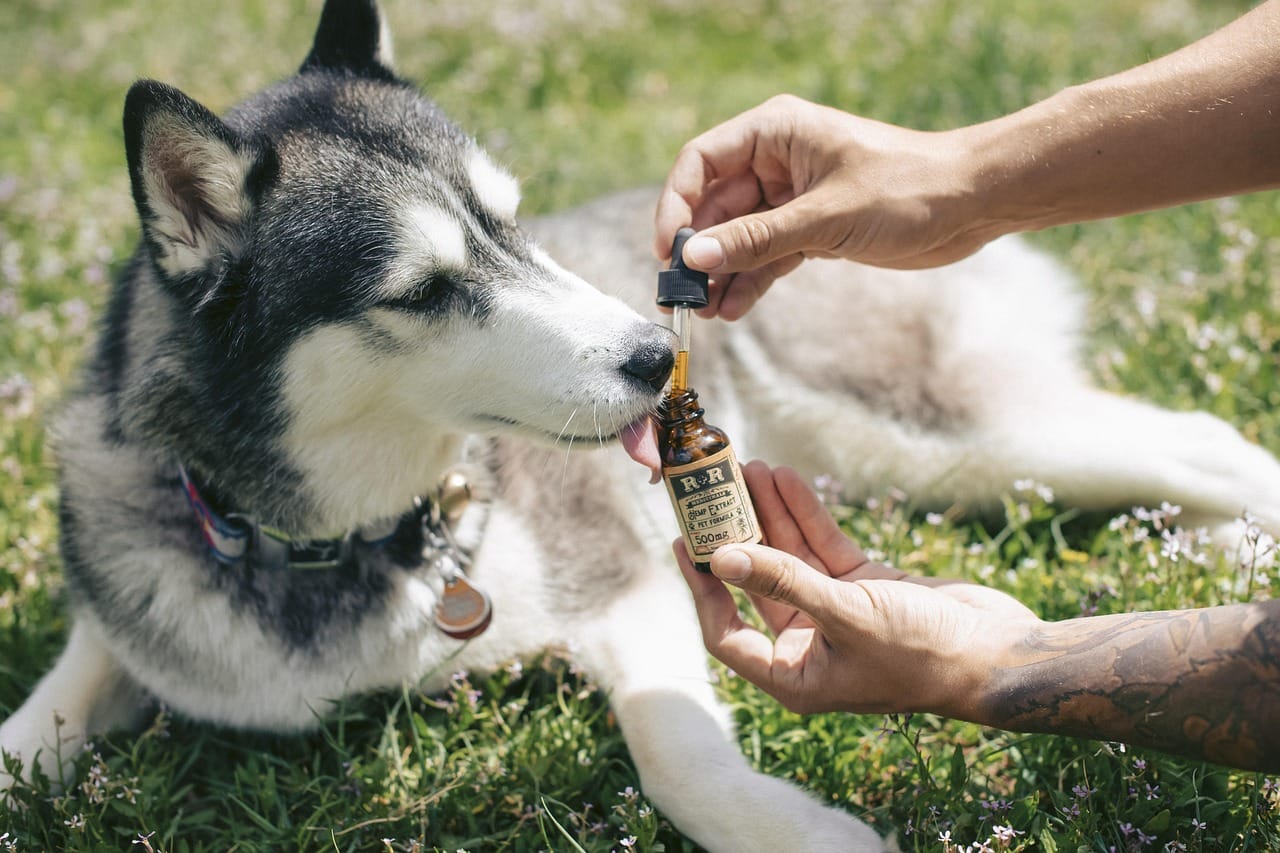
Veterinarians also warn homeowners against trying unsafe home remedies or supplements marketed as “grass saving” products without proper guidance. Some products can interfere with a dog’s health or urinary balance.
One of the best pieces of advice homeowners can follow is simple consistency.
Never ignore small lawn problems hoping they will disappear on their own.
Your neighbor may swear by a random internet trick involving tomato juice or baking soda, but healthy lawn management usually comes down to proper care, cleanup, watering, and realistic expectations.
Instead, look for guidance from lawn professionals, veterinarians, and experienced pet care experts who understand both sides of the equation.
When you are feeling frustrated about your lawn, remember that most dog friendly yards are not perfect all year long. Even well maintained properties experience seasonal stress.
The goal is not perfection.
The goal is creating a clean, safe, enjoyable outdoor space your family and your pets can actually use.
You Need Consistency More Than Perfection
Now, just because your yard currently has yellow spots or worn areas does not mean you cannot restore it.
This does mean you need a consistent plan before you can expect long term improvement, but the good news is that most lawns are more resilient than people think.
Let’s be specific about how to improve your yard over time.
Step 1: Improve Waste Removal Habits
One of the biggest factors in lawn decline is accumulated pet waste.
Dog waste introduces bacteria, attracts pests, and prevents healthy grass growth. During rainy periods, waste residue can spread into surrounding areas and create additional lawn stress.
Consistent cleanup helps maintain a healthier lawn environment overall.
This is especially important for multi dog households where waste accumulation happens quickly.
Step 2: Strengthen Lawn Health
Healthy grass tolerates stress much better than weak grass.
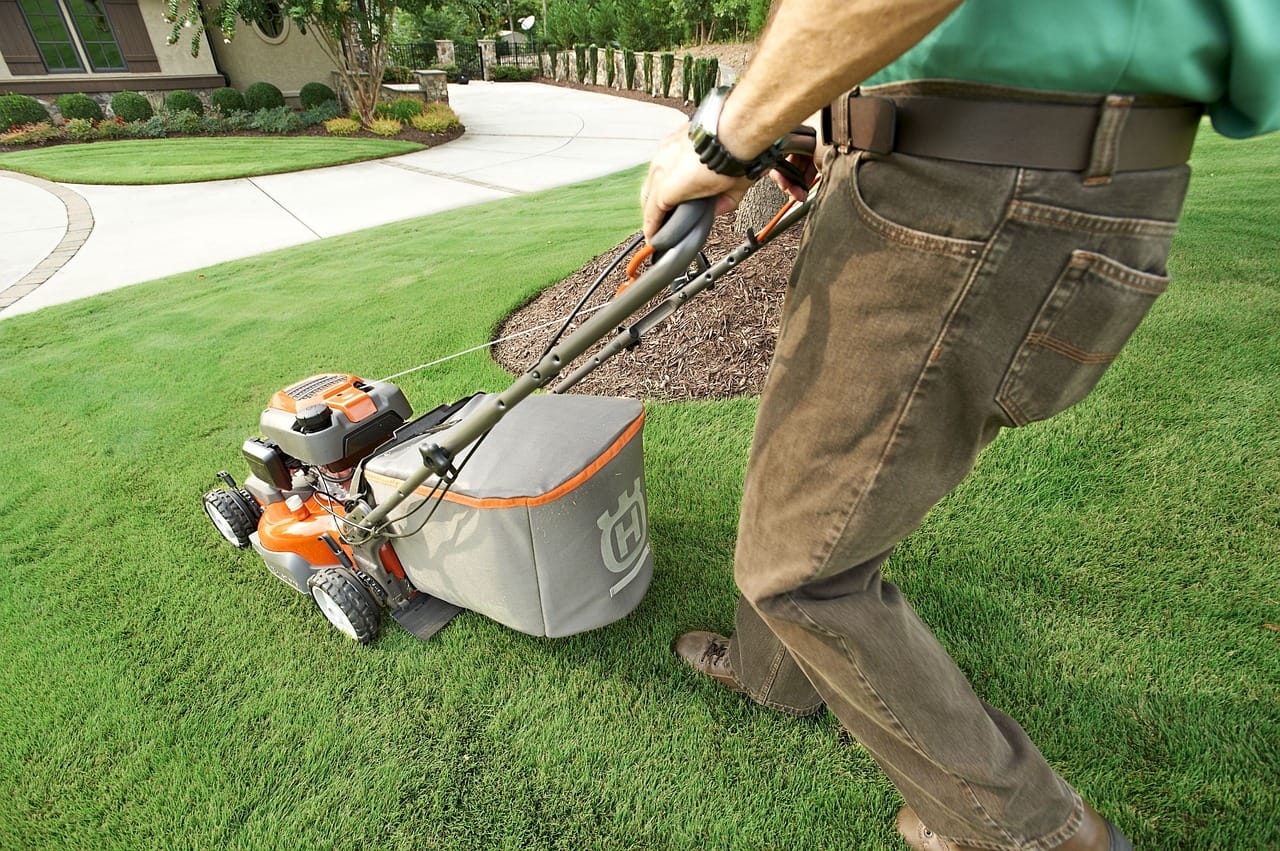
Aeration, proper watering, seasonal fertilization, and mowing at the correct height all improve lawn resilience. Overcutting grass during hot weather often weakens root systems and increases visible damage.
In North Metro Atlanta, fall is one of the best times to begin lawn recovery efforts because cooler temperatures help reduce stress while supporting stronger root growth.
Step 3: Reduce Repeated Concentrated Use
If your dog uses the exact same bathroom spot every day, the grass may never fully recover.
Some homeowners rotate potty zones while others add designated pet areas with mulch or turf alternatives. Even slight changes in routine can reduce concentrated lawn damage over time.
Because lawn care can feel overwhelming for busy homeowners, many families focus first on maintaining cleanliness and consistency before tackling cosmetic lawn improvements.
A clean yard is easier to monitor, easier to maintain, and far more enjoyable to use.
Wrapping It Up
Dog pee spots are not caused by one simple issue. Lawn type, weather conditions, hydration, maintenance habits, repeated use patterns, and overall yard health all play a role in how much damage appears.
The good news is that most homeowners can dramatically improve their lawn conditions with consistent care, smart routines, and proper cleanup habits.
Did you follow the tips about improving lawn health and reducing repeated concentrated use from this post?
You are well on your way to creating a cleaner, healthier yard for both your family and your dogs.
Request a Free Quote Today!
At Clean Paws Scooping, we help homeowners across North Metro Atlanta maintain cleaner, safer outdoor spaces with professional pet waste management services. We offer weekly, biweekly, twice weekly, and monthly service options, along with deodorizer and disinfectant treatments designed to help keep your yard fresh year round.
Our team sends text notifications before arrival, sanitizes tools and shoes between homes, and always double checks gates for safety and security.
Ready to retire from poop scooping?
Get a free instant quote today at Clean Paws Scooping