

How Hot Weather Changes Your Dog’s Bathroom Habits and What Owners Should Know
Why Summer Bathroom Changes Catch Dog Owners Off Guard
Every summer, we hear the same sentence from well-meaning dog owners:
“My dog didn’t do this last year.”
But here’s the truth most blogs won’t tell you. Your dog probably did do this last year. You just didn’t notice it yet.
Hot weather doesn’t flip a switch overnight. It quietly changes how a dog hydrates, how often they relieve themselves, how concentrated their urine becomes, and how waste interacts with grass and soil. Those changes show up gradually, which is why owners often feel blindsided when yard damage or odor suddenly appears in early July.
This post is not about panic. It’s about awareness.
If you understand what heat does to your dog’s bathroom habits, you can adjust routines early and avoid problems that most homeowners don’t realize are preventable.
Why “Just More Water” Is Not the Full Story
Most summer advice starts and ends with hydration. Yes, water matters. But from what we see servicing yards week after week, hydration alone does not explain summer bathroom changes.
What actually shifts in hot weather includes:
- How often dogs break up their bathroom trips
- How concentrated urine becomes between refills
- Where dogs choose to go in the yard
- How long waste sits before breaking down
- How heat accelerates odor and turf damage
These changes compound. And when they stack together, problems appear faster than owners expect.
That’s why summer yard issues often show up after July 4th, not at the first heat wave.
What’s Not Working: Treating Summer Potty Issues Like a One-Time Problem
Here’s the mistake we see most often.
An owner notices a smell, a yellow spot, or increased bathroom frequency and reacts with a one-off fix. Extra hosing. A product from the store. One deep cleanup.
Those fixes feel productive, but they don’t address the real issue. Summer bathroom changes are not a single event. They are a seasonal pattern.
When owners only respond to symptoms, they miss the chance to prevent repeat damage. This is why the same yards struggle every summer, even when the dog hasn’t changed.
A Better Way: Understanding the Pattern Before Fixing the Problem
Instead of chasing symptoms, the better approach is to understand why hot weather changes bathroom habits in the first place.
Once you see the pattern, the solutions become simpler and far more effective.
Step 1: Heat Changes How Dogs Space Their Bathroom Trips
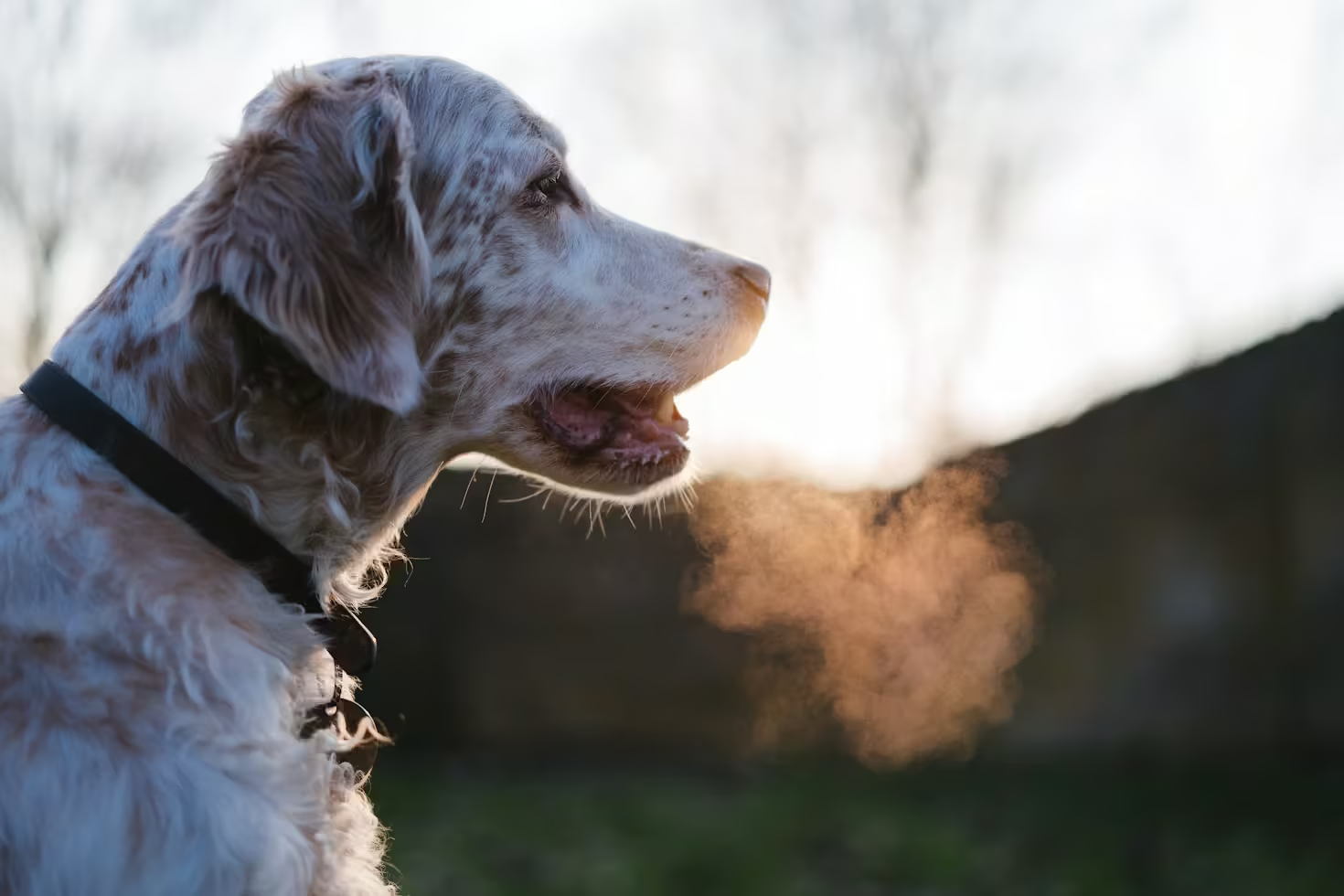
In cooler months, most dogs follow predictable patterns. They go out, relieve themselves fully, and come back inside.
In hot weather, that pattern breaks.
Dogs often:
- Pee in shorter bursts
- Spread bathroom trips across multiple outings
- Stop mid-relief due to heat discomfort
- Choose shaded or cooler ground instead of their usual spots
This means urine is more concentrated when it hits the grass, even if total water intake has increased. From a lawn perspective, this matters far more than frequency alone.
This is why owners start seeing damage even though their dog is “drinking plenty.”
Step 2: Concentration Matters More Than Frequency
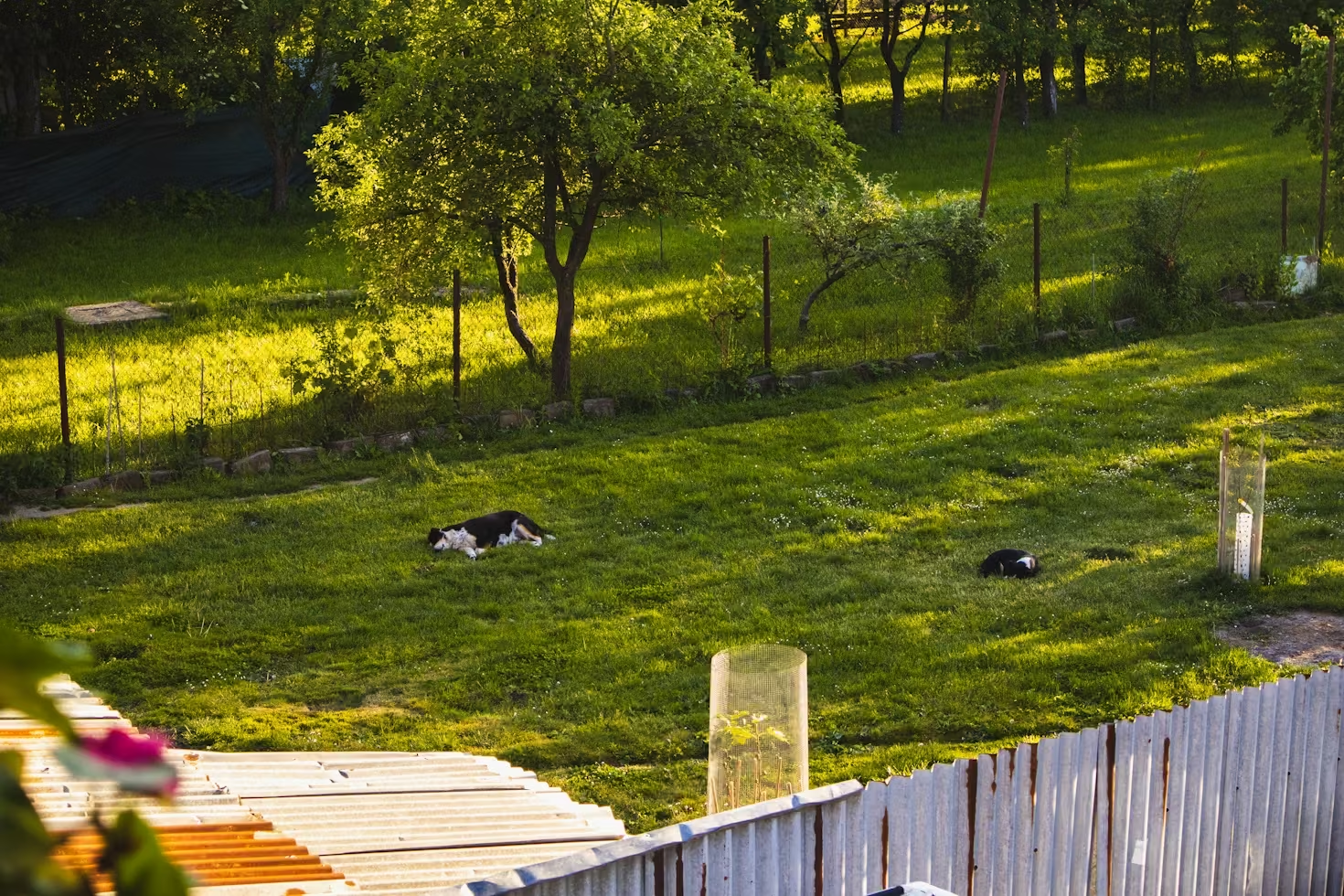
One of the biggest misunderstandings about summer yard damage is the belief that more frequent peeing automatically means more damage.
In reality, concentration is the deciding factor.
When urine becomes more concentrated, nitrogen levels spike. Grass doesn’t get “burned” because of volume. It gets damaged because it receives too much nitrogen at once.
That’s why understanding how to protect your lawn from urine damage year-round is so important before peak summer hits. Without that context, owners often treat July problems as random when they are anything but.
Step 3: Heat Accelerates Breakdown and Odor Faster Than Most People Expect

Here’s something most blogs don’t mention.
Dog waste does not break down at a steady rate year-round. Heat accelerates decomposition, gas release, and odor production. That means waste that sat quietly in spring can become a serious odor source in summer in half the time.
This is why yards that “weren’t that bad” suddenly smell overwhelming by mid-July, especially after rain.
It’s not that there’s more waste. It’s that heat changed the chemistry.
Step 4: Dogs Change Where They Go Without Owners Noticing
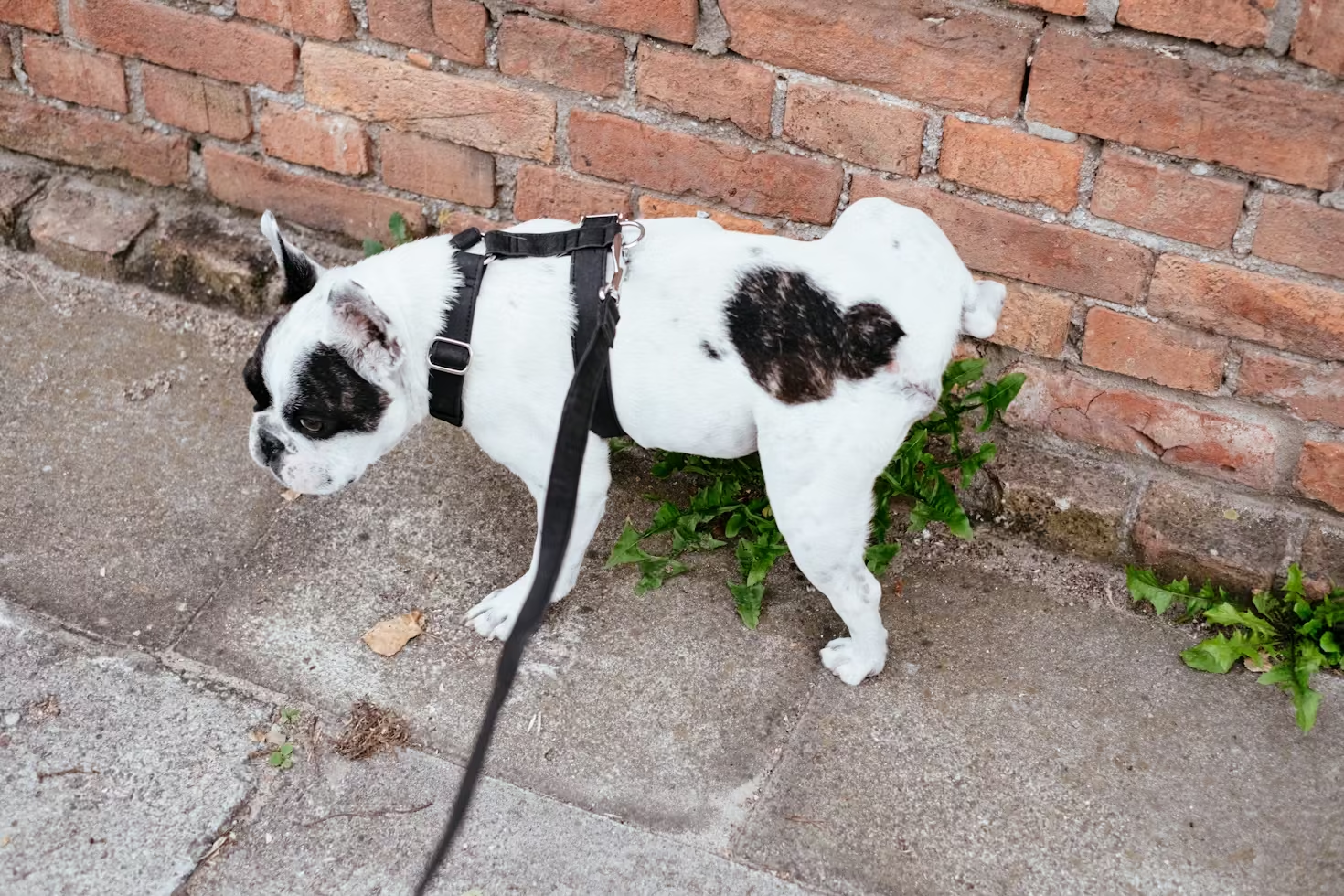
In hot weather, dogs instinctively seek comfort. That includes:
- Shaded edges
- Fence lines
- Mulch beds
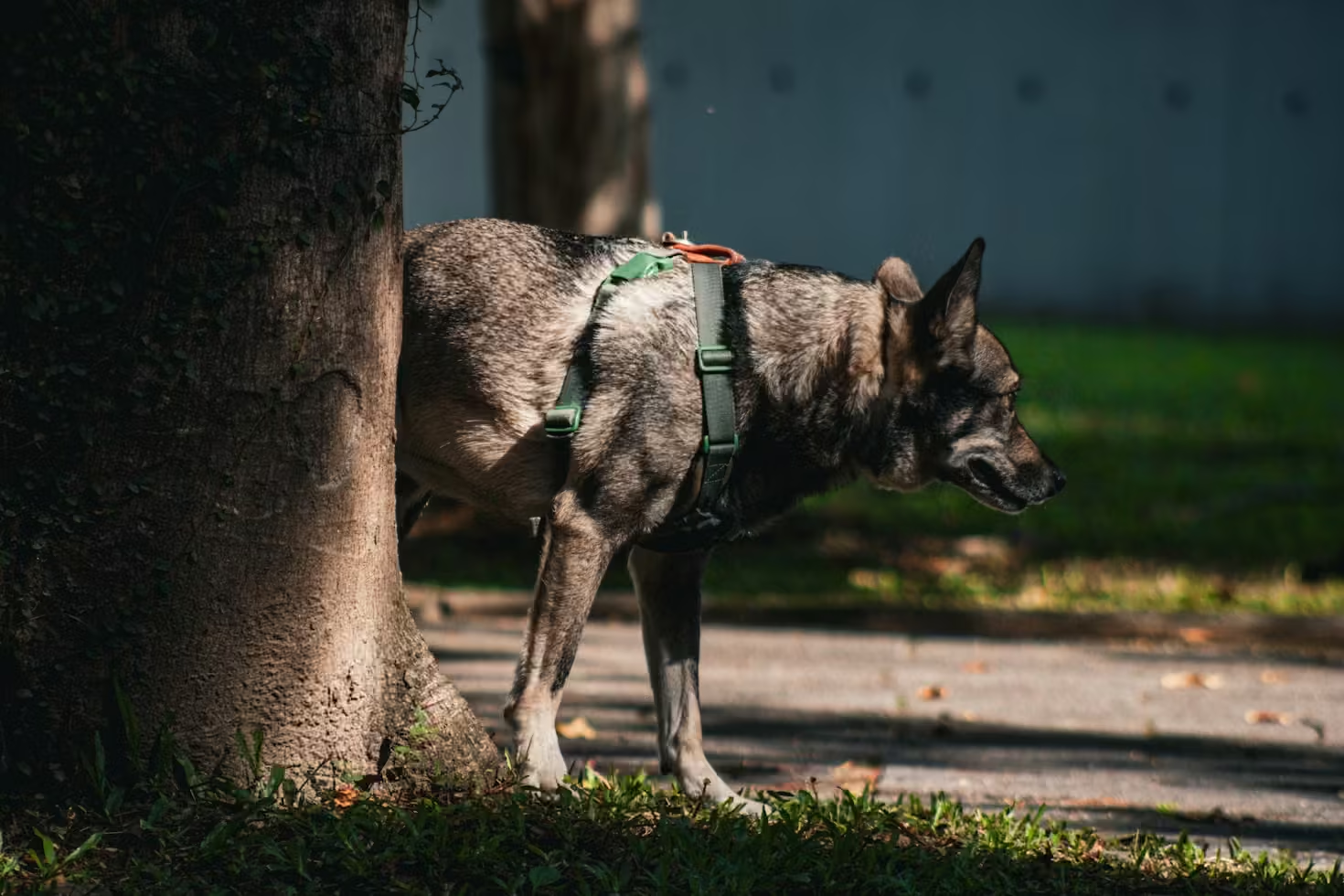
- Tree bases
- Previously cool patches of grass
Over time, dogs return to those spots again and again. This creates repeated stress zones in the yard, even if the rest of the lawn looks fine.
Franchise blogs often ignore this nuance. But when you service hundreds of real yards, the pattern is obvious.
Summer bathroom issues are often location-specific, not yard-wide.
Step 5: Why Waiting “Until It Smells” Is Too Late
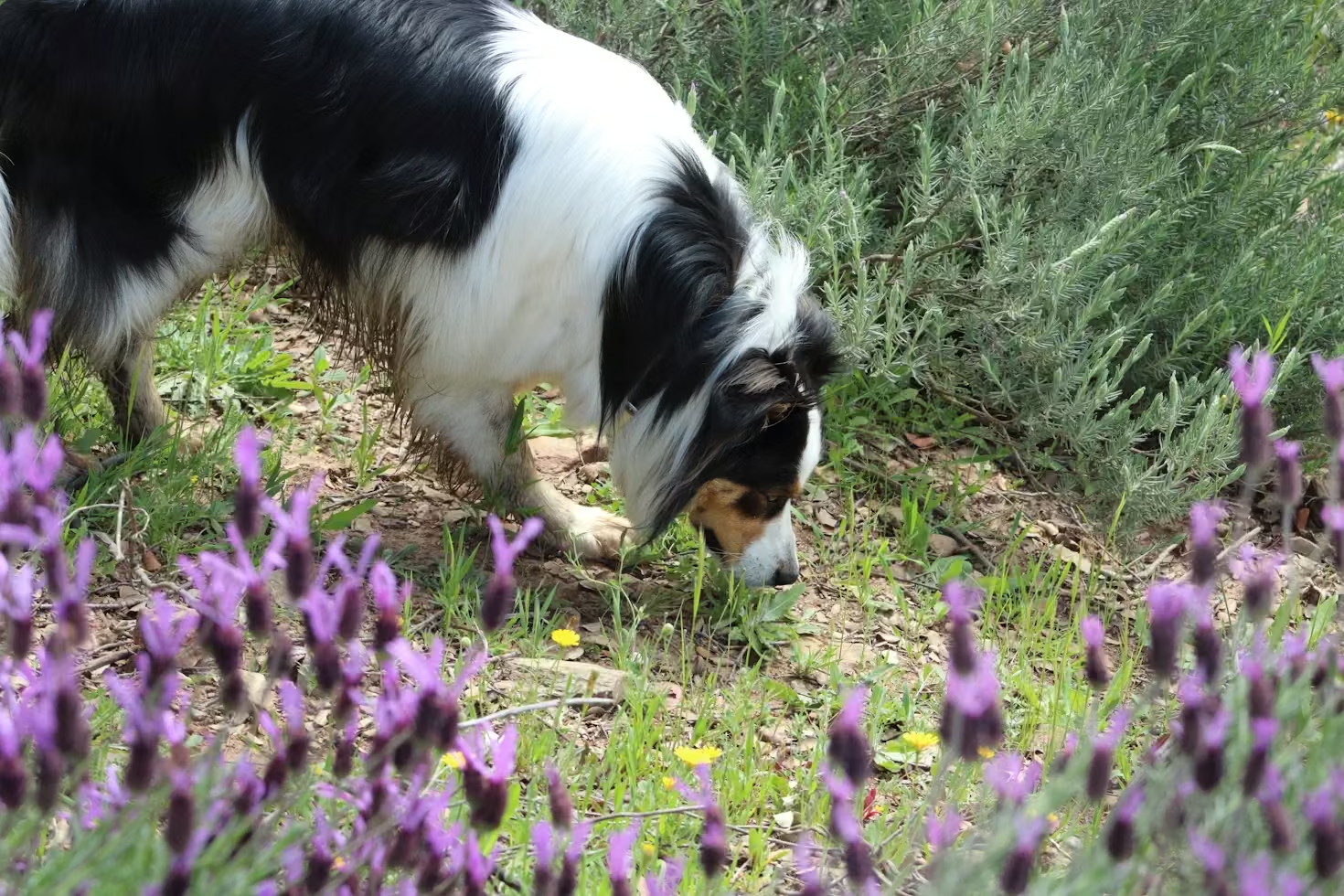
By the time a yard smells, several things have already happened:
- Waste has baked into the soil
- Nitrogen has stressed the turf
- Bacteria has multiplied
- Odor has penetrated deeper layers
At that point, owners are no longer preventing damage. They are correcting it.
This is why proactive routines matter more in summer than any other season. Small adjustments in early July prevent major resets in August.
Step 6: How Routine Beats Products Every Time
Many homeowners look for a product solution. Sprays. Neutralizers. Add-ons.
Products can help, but they don’t replace routine.
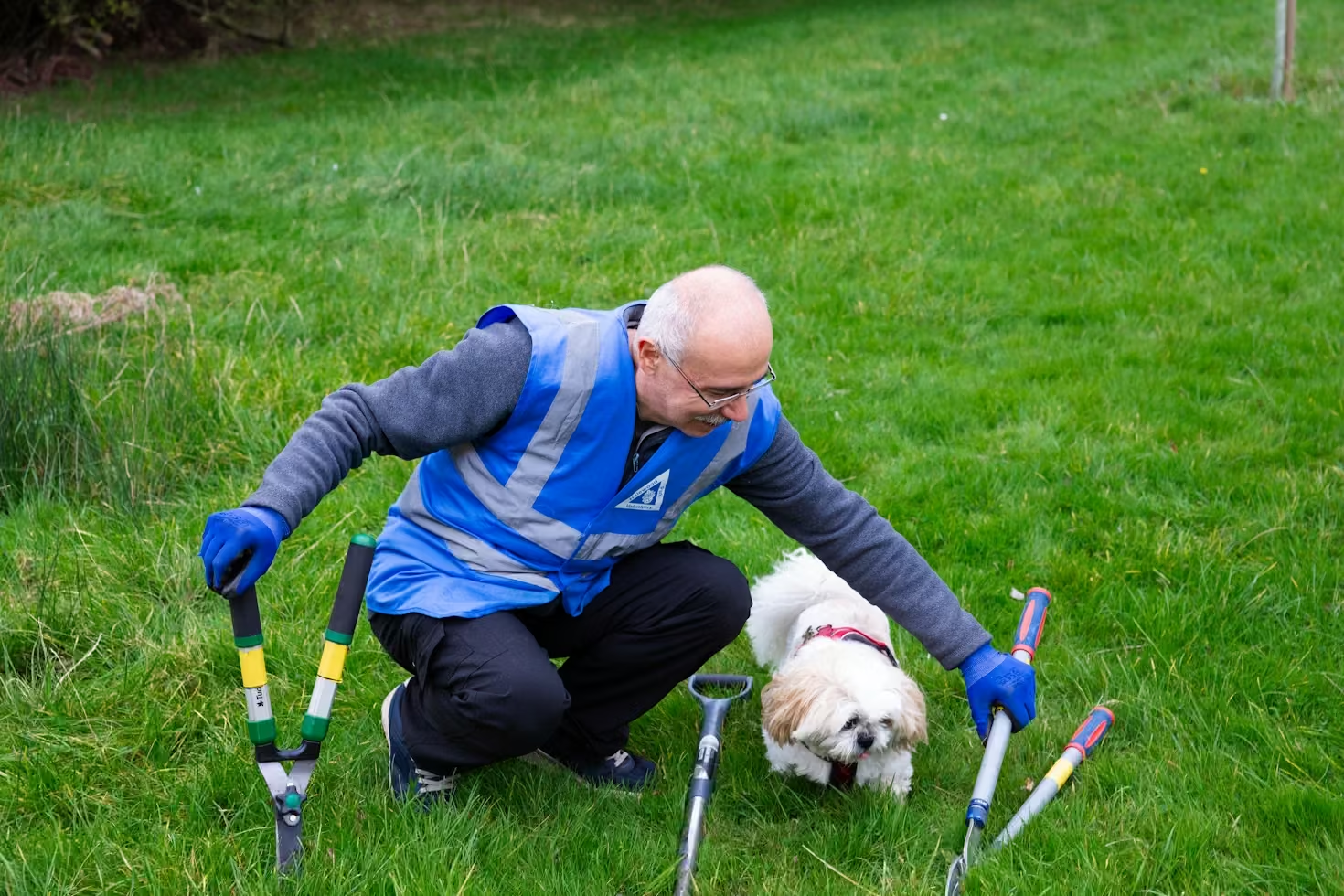
Consistent removal, smart spacing of cleanups, and understanding seasonal behavior patterns outperform any single product over time. This is where professional services differ from DIY approaches and why some yards improve year after year while others repeat the same summer problems.
Step 7: What Makes This Different From Generic Summer Advice
Most online advice is written by people who don’t see the long-term results of their suggestions.
We do.
We see:
- The same yard across multiple summers
- The difference between reactive and proactive owners
- How small changes in routine alter outcomes dramatically
That real-world exposure is what separates expert guidance from generic tips. Summer bathroom behavior is not random, and it’s not unavoidable.
It’s predictable.
Step 8: What to Watch for Over the Next 30 Days
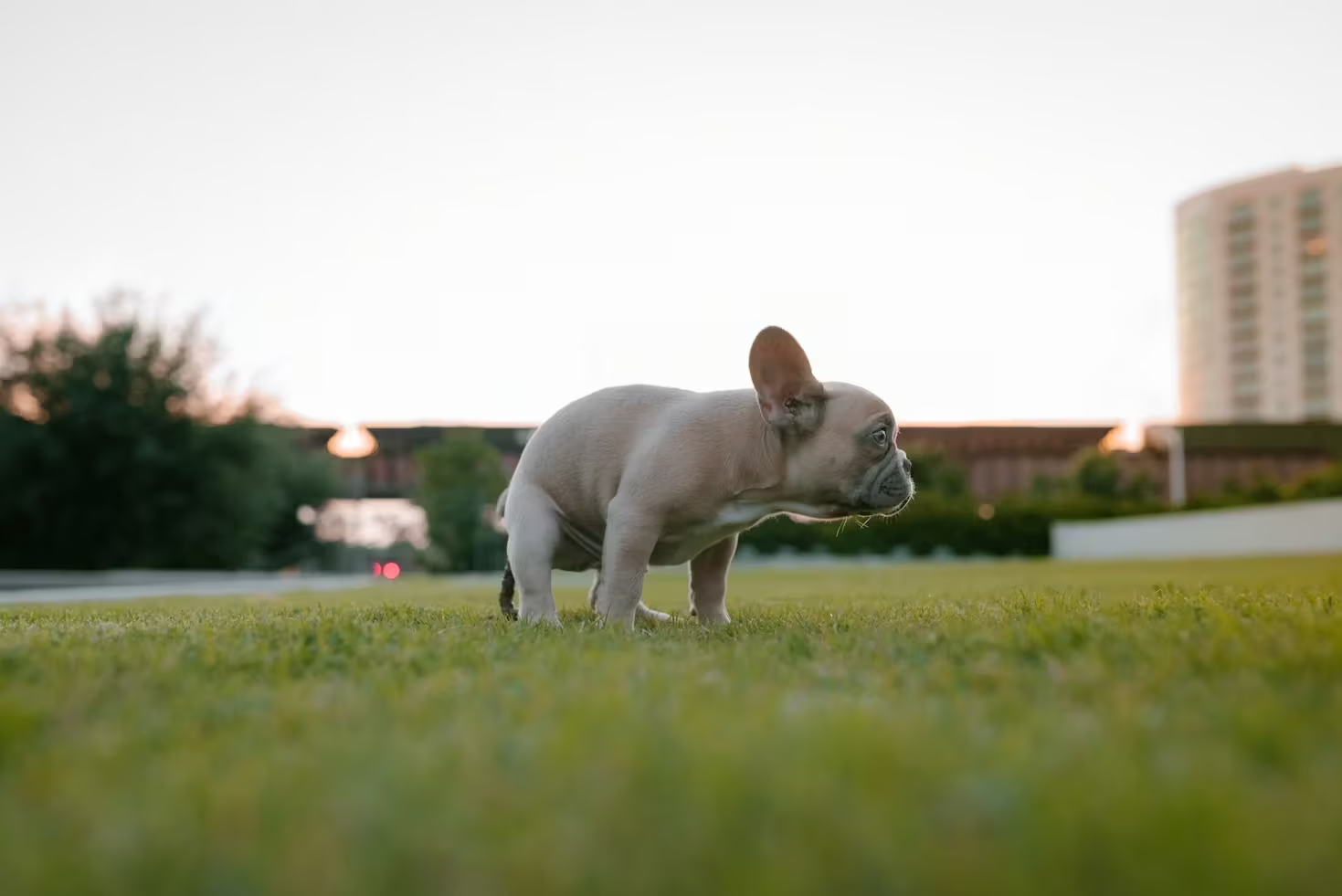
As July progresses, pay attention to:
- Repeated bathroom spots
- Stronger odor after rain
- Faster yellowing in specific areas
- Dogs hesitating or pacing before going
- Increased frequency with smaller output
These are early signals, not failures. Catching them now gives you control before peak heat arrives.
Wrapping It Up: Awareness Is the Advantage
Hot weather doesn’t cause sudden problems. It exposes weak routines.
Once you understand how summer changes your dog’s bathroom habits, you stop reacting and start preventing. That’s the difference between fighting your yard every year and finally getting ahead of the season.
And that difference is exactly what sets thoughtful, locally owned services apart from one-size-fits-all franchise advice.