
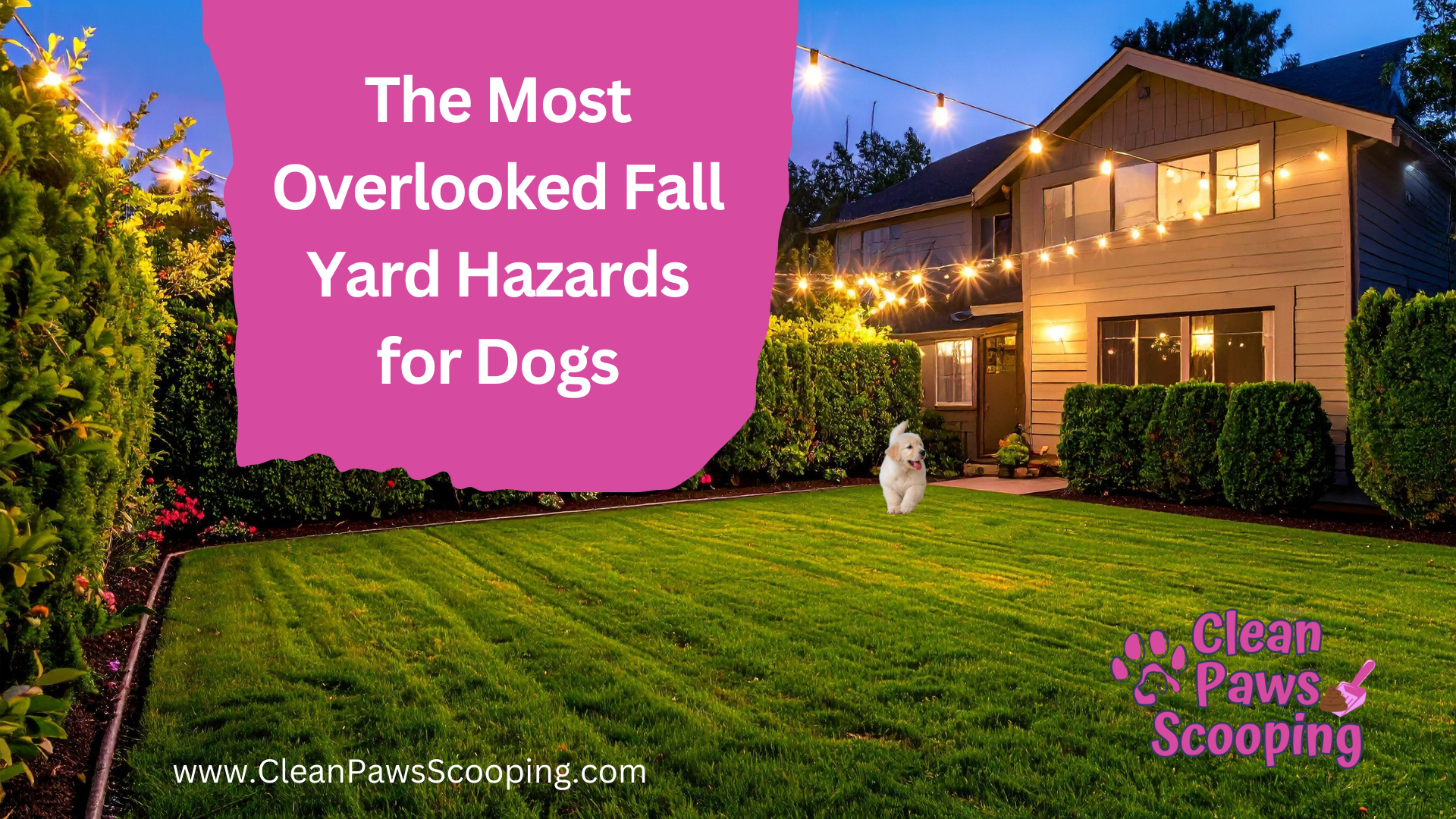
The Most Overlooked Fall Yard Hazards for Dogs
Ever feel like you are doing your best to keep your yard safe for your dog, but fall still seems to bring new problems you did not see coming?
You may already clean up the obvious messes, keep your dog supervised outside, and check the yard when something looks wrong. But once cooler weather settles in, hidden yard hazards can start showing up in ways that are easy to miss.
The truth is, fall yard safety is not always as simple as raking leaves and keeping the grass trimmed.
There are a lot of moving parts, especially when you are juggling busy schedules, school routines, weekend plans, holiday prep, and daily dog care.
At Clean Paws Scooping, we help dog owners across North Metro Atlanta areas like Alpharetta, Roswell, Johns Creek, and Peachtree Corners maintain cleaner safer outdoor spaces. In the process, we see many of the same seasonal yard mistakes happen again and again.
In this post, we are covering the top 5 overlooked fall yard hazards for dogs so you can catch small issues before they turn into bigger problems.
Mistake 1: Ignoring Wet Leaves
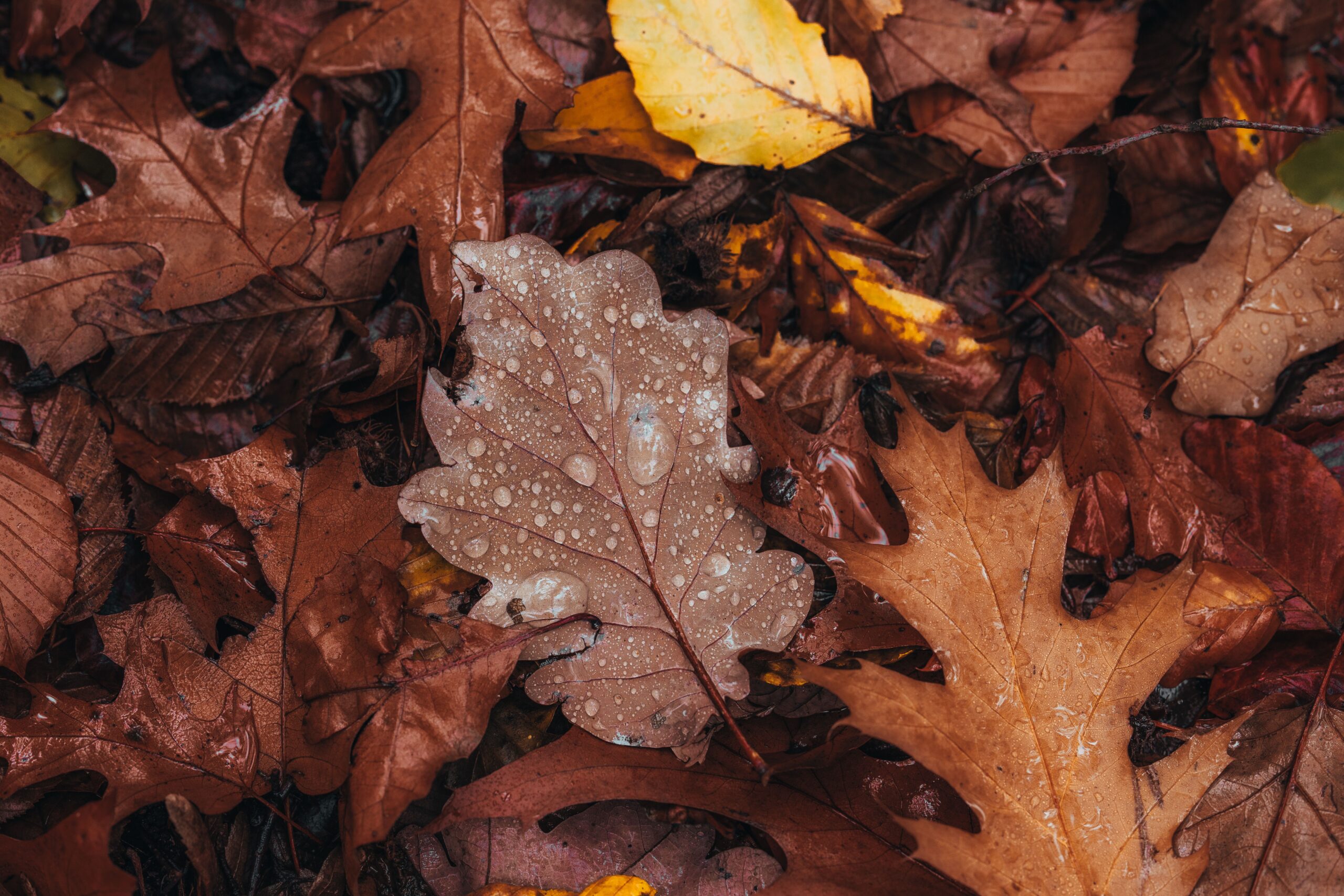
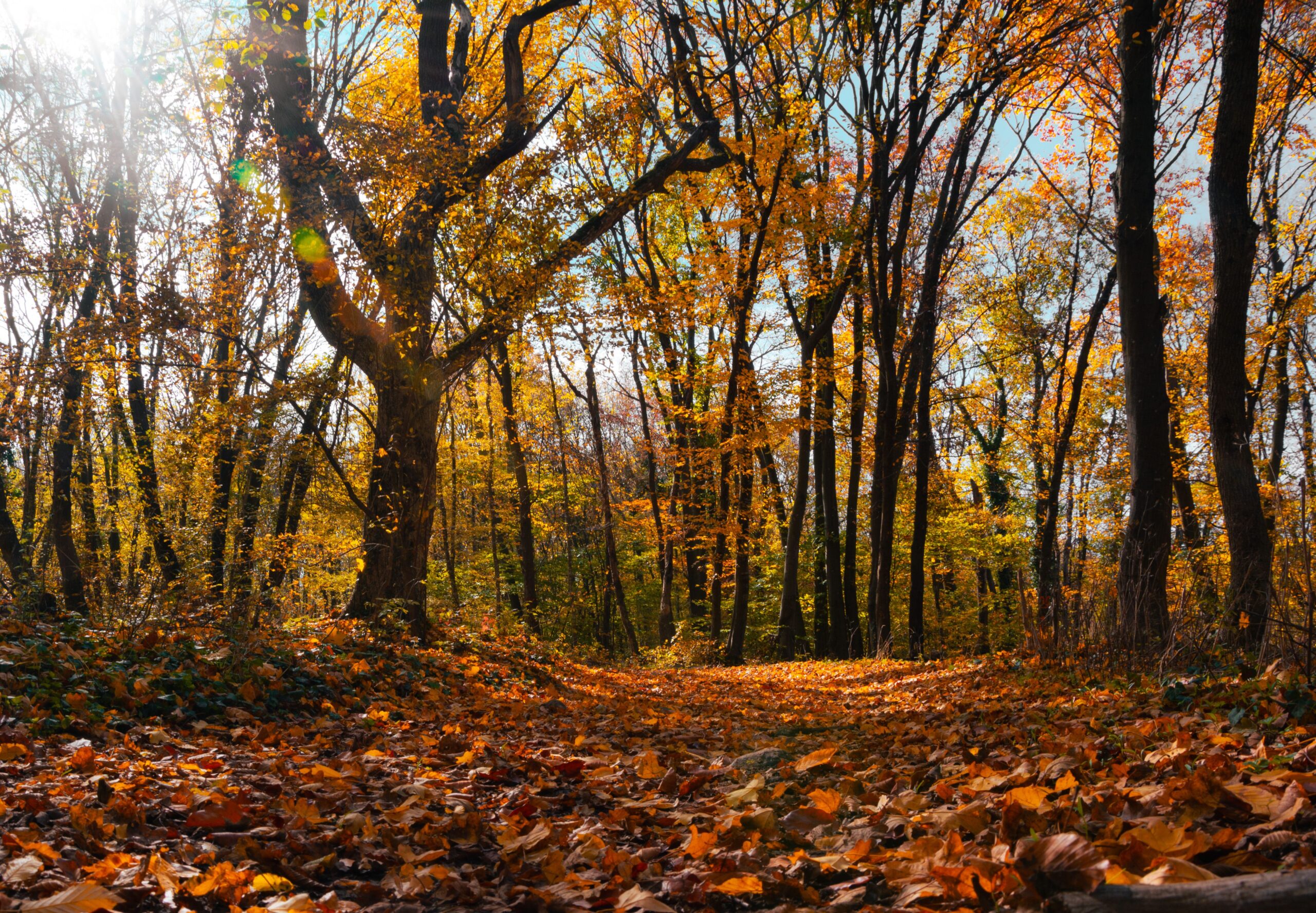
Wet leaves may seem harmless, but they can create several problems for dogs.
When leaves pile up and stay damp, they can trap moisture against the grass and soil. That creates a perfect environment for odors, bacteria, mold, and pests.
Dogs also love sniffing and digging through leaf piles, which means they may come into contact with things you cannot easily see.
That can include:
- hidden waste
- mushrooms
- insects
- sharp sticks
- moldy debris
- soggy lawn areas
The problem with ignoring wet leaves is that they hide what is happening underneath.
A yard can look “fall pretty” from a distance while still having bacteria, mud, or waste buildup beneath the surface.
How to solve it:
Clear leaves from high traffic dog areas first.
Focus on:
- potty zones
- fence lines
- walkways
- patio edges
- shaded corners
- areas near gates
You do not need to make the entire yard perfect every day. Start with the areas your dog uses most often.
Mistake 2: Overlooking Muddy High Traffic Areas
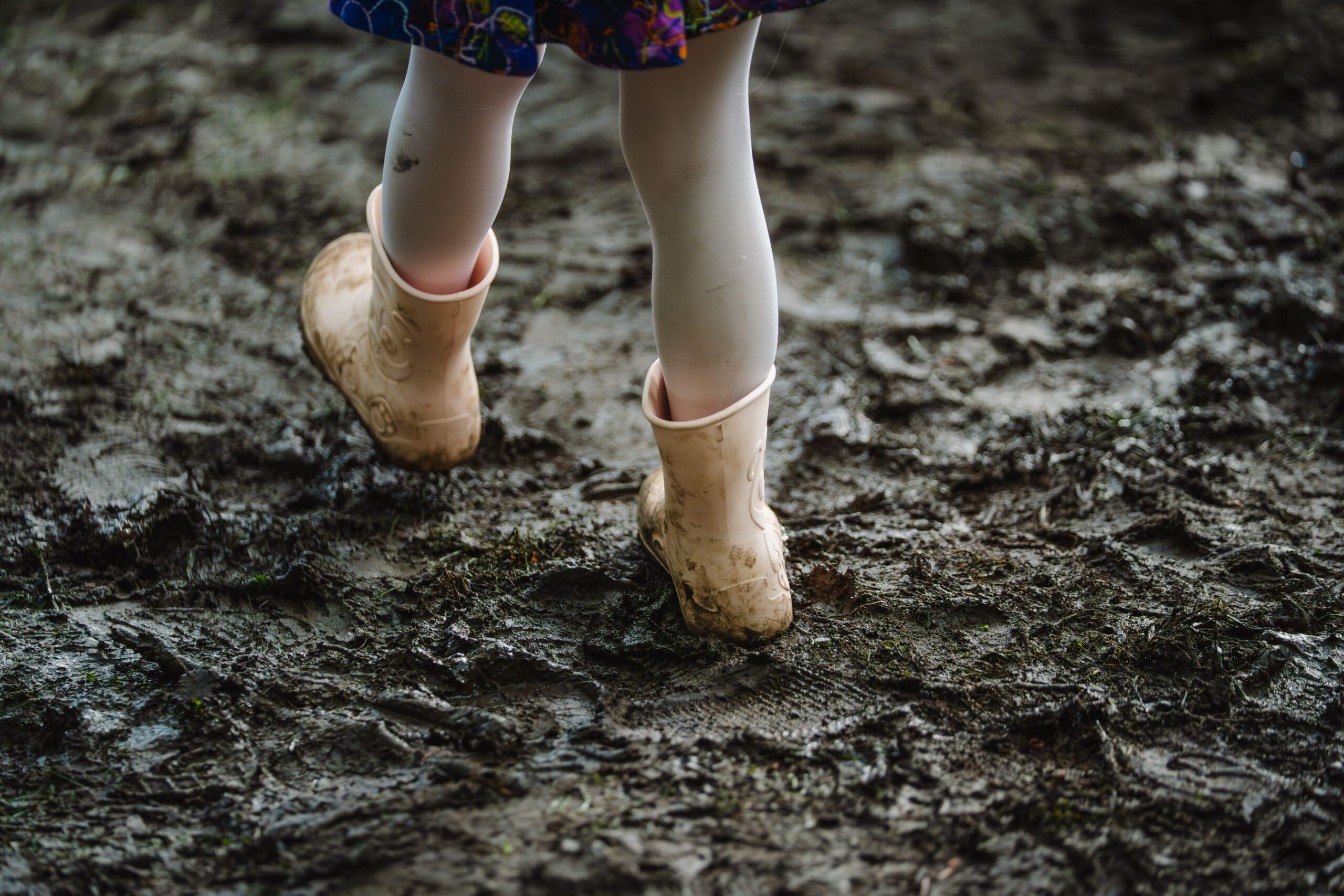
Muddy patches are one of the most common fall yard problems for dog owners.
They are also one of the easiest to ignore until they become a daily frustration.
Cooler temperatures, fall rain, and slower drying grass can turn small worn spots into slippery muddy areas quickly.
This matters because mud can lead to:
- dirty paws
- bacteria exposure
- paw irritation
- indoor messes
- worn grass
- unsafe footing
Many homeowners first notice the problem when their dogs start tracking mud through the house. But by that point, the yard condition has usually been building for weeks.
If your yard has started feeling harder to manage this season, paying attention to how cooler weather reveals hidden outdoor yard issues can help you spot the bigger pattern.
How to solve it:
Watch where your dog naturally walks every day.
If the same path keeps getting muddy, consider:
- adding stepping stones
- using mulch in problem areas
- rotating play zones
- keeping towels near the door
- limiting access during heavy rain
- checking drainage issues early
For dog owners in Sandy Springs, East Cobb, Duluth, and Dunwoody, fall rain can make these issues show up fast because many yards have shaded areas that do not dry out quickly.
Mistake 3: Forgetting About Mushrooms and Yard Growth
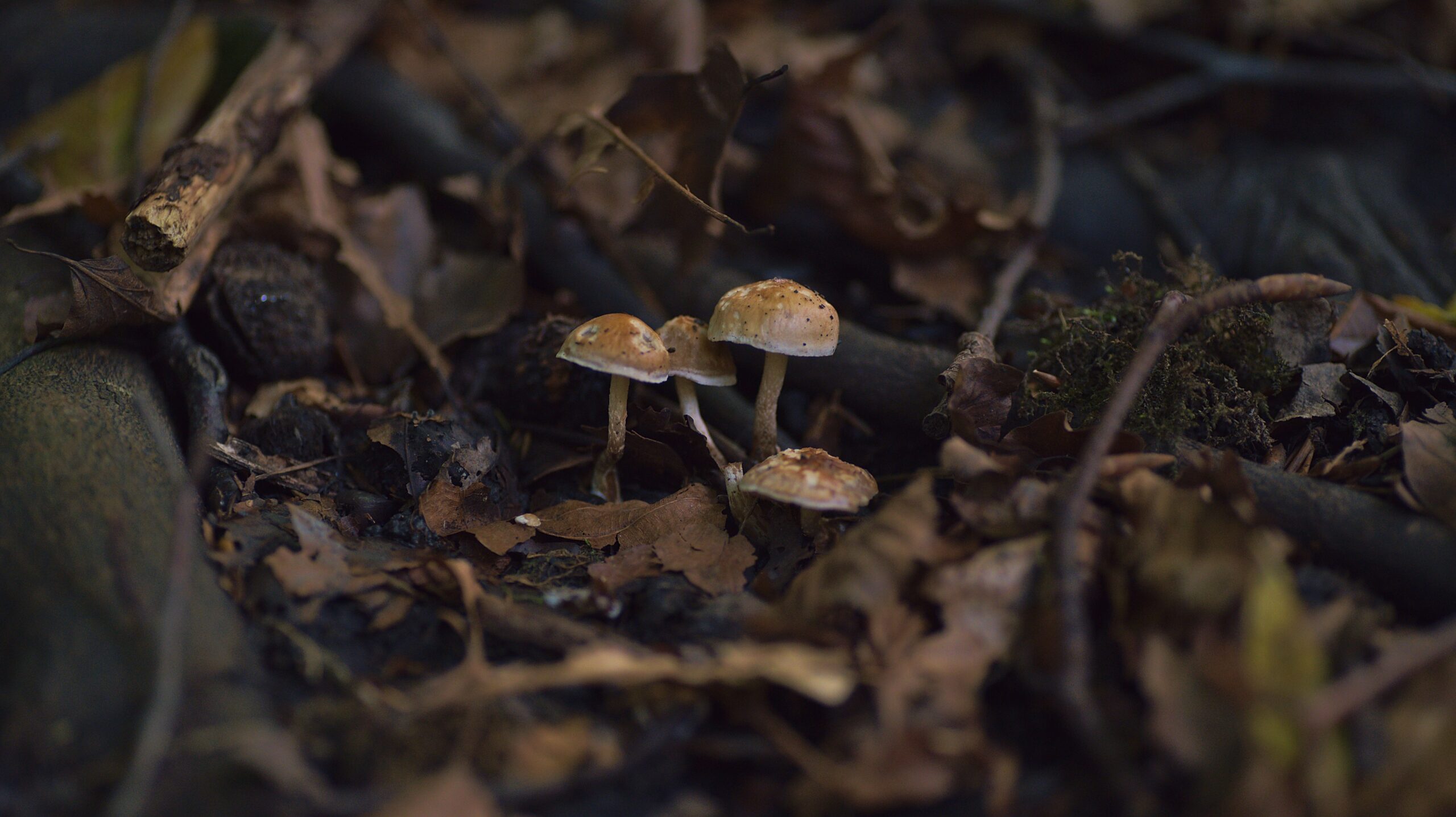
Fall is a common season for mushrooms to appear in yards, especially after rain.
Some mushrooms are harmless, but others can be dangerous for dogs. The problem is that most homeowners cannot identify which ones are safe and which ones are not.
Dogs are curious.
They sniff.
They lick.
They chew.
And some dogs will eat almost anything if they find it interesting enough.
The danger with mushrooms is that they can appear quickly, especially in damp shaded areas.
How to solve it:
Do a quick yard scan before letting your dog roam freely, especially after rainy weather.
Check:
- under trees
- near fences
- shaded corners
- damp mulch beds
- areas with decaying leaves
If you see mushrooms, remove them carefully and keep your dog away from that area.
If your dog eats a mushroom, contact your veterinarian or an emergency pet poison resource right away.
Mistake 4: Letting Dog Waste Sit Too Long
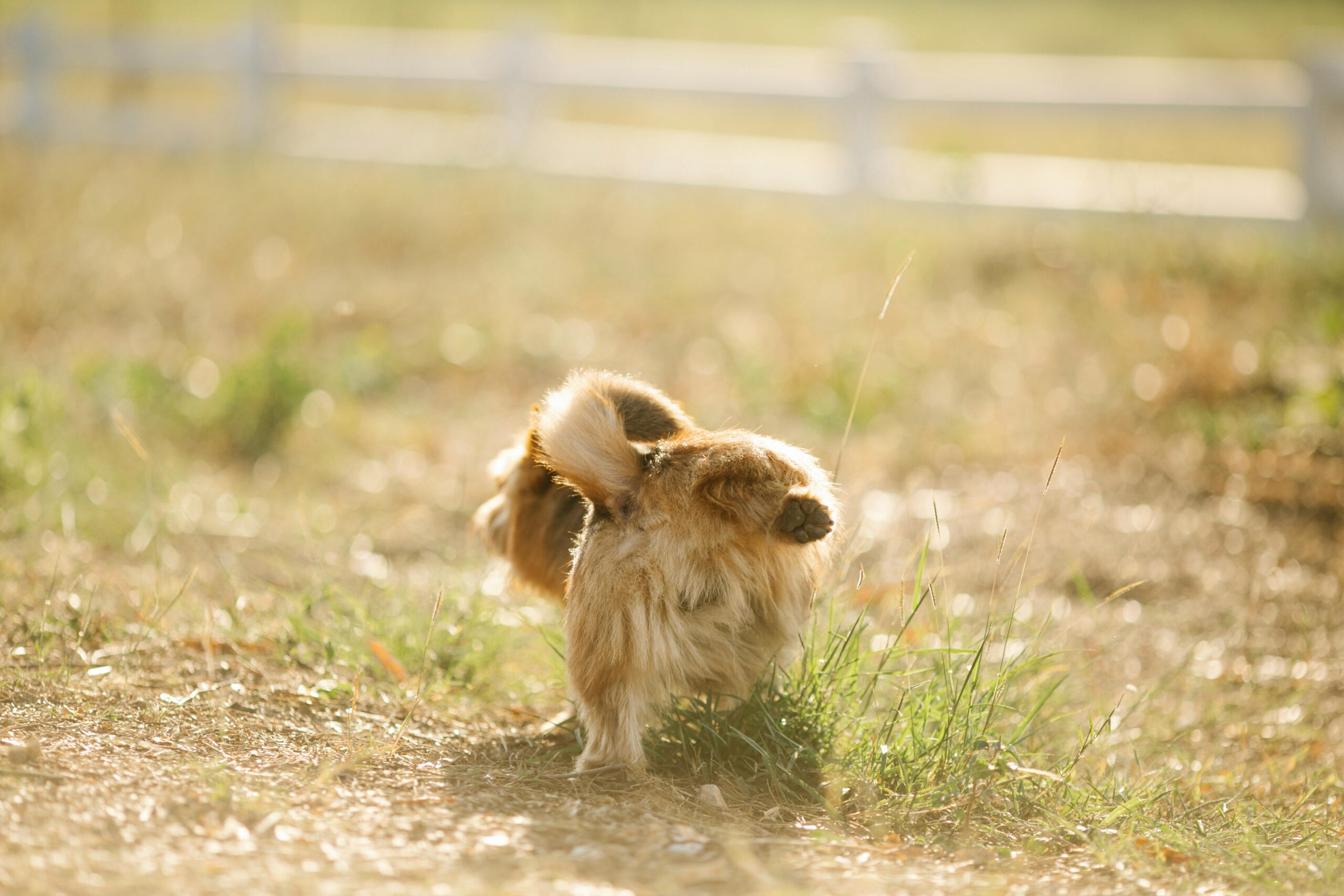
This is one of the biggest fall yard hazards, and it is also one of the easiest to underestimate.
Many homeowners assume dog waste is mainly a smell or appearance issue.
But waste that sits in the yard can affect the overall safety and cleanliness of the space.
Dog waste can contribute to:
- bacteria buildup
- parasites
- flies
- odors
- lawn damage
- pest attraction
- contaminated runoff
Fall weather can make this worse because moisture helps odors linger and waste break down into the yard environment.
The problem with falling behind is that the mess does not stay isolated. It spreads into the grass, soil, and high traffic areas where dogs play.
If you have ever wondered what happens when waste sits too long in the yard, the short answer is that it becomes a health, odor, lawn, and pest problem faster than most people realize.
How to solve it:
Build cleanup into a consistent routine before the holiday season gets busy.
If you cannot keep up weekly, that is exactly when professional help makes sense.
It is not about being lazy.
It is about keeping the yard cleaner, safer, and easier to enjoy.
Mistake 5: Assuming Fall Means Fewer Pests
A lot of people think pests disappear when the weather cools down.
Unfortunately, that is not always true.
As temperatures shift, some pests start looking for food, shelter, and warm protected areas.
A yard with pet waste, standing water, thick leaves, or cluttered corners can become more attractive to pests than homeowners realize.
This may include:
- rodents
- flies
- ticks
- ants
- other insects
The issue is not just that pests are unpleasant. They can create additional health concerns for both dogs and families.
How to solve it:
Keep the yard as clean and open as possible.
That means:
- removing waste consistently
- clearing damp leaves
- checking corners near fences
- avoiding standing water
- trimming overgrown areas
- keeping trash areas secured
Small maintenance habits make a huge difference.
Wrapping It Up
If you have been overlooking these fall yard hazards, it is not your fault.
Many of them are easy to miss because they build slowly and do not always look serious at first.
Once you know what to watch for, you can start making simple changes that help protect your dog and keep your yard cleaner throughout the season.
Wet leaves, mud, mushrooms, dog waste, and pests may not seem like a big deal on their own. But together, they can create a yard environment that is less safe, less clean, and less enjoyable.
By reading this post, you have already taken a step toward a healthier fall yard for your dog.
High five.
Request a Free Quote Today!
At Clean Paws Scooping, we help homeowners across North Metro Atlanta communities like Alpharetta, Roswell, Johns Creek, Peachtree Corners, Sandy Springs, East Cobb, Duluth, and Dunwoody maintain cleaner safer yards year round.
Our professional pet waste management services help reduce odors, bacteria buildup, pest concerns, and outdoor mess before they become bigger seasonal problems.
We offer weekly, biweekly, twice weekly, and monthly service options along with deodorizer and disinfectant treatments.
Ready to retire from poop scooping?
Get a free instant quote today at Clean Paws Scooping