


Why Dogs Act Differently in Late Spring and What Owners Can Do About It

You Need This If you are a dog owner who wants to understand sudden behavior changes without feeling confused or frustrated, you are in the right place.Before I understood how seasonal shifts affect dogs, I assumed changes in behavior were random or personality related. One week my dog was calm and predictable. The next week there was more energy, more restlessness, and more selective listening.It felt exhausting. Walks were harder. Focus was shorter. Training cues that worked all winter suddenly felt ignored.When I realized how many dog owners experience these same changes every spring, I knew this was not coincidence. It was seasonal behavior at work.Now, instead of reacting with frustration, we work with the season instead of against it. Walks are smoother. Routines feel easier. Expectations are clearer.If you want calmer behavior, better communication, and fewer surprises as the weather warms, understanding late spring behavior changes can help you get there.Here are 11 reasons why knowing how dogs behave differently in late spring matters more than you think.
Reason 1: Increased Daylight Changes Energy Levels

Longer days naturally increase activity in dogs. More sunlight affects sleep cycles, hormones, and alertness.
Dogs may wake earlier, want longer walks, or struggle to settle in the evening. This is not disobedience. It is biology.
When owners recognize this shift, they can adjust routines instead of fighting them. A slightly longer morning walk or added enrichment can prevent frustration later in the day.
For example:
A dog that seems hyper in the evening often just needs more structured activity earlier in the day.
Reason 2: Spring Brings New Sensory Overload
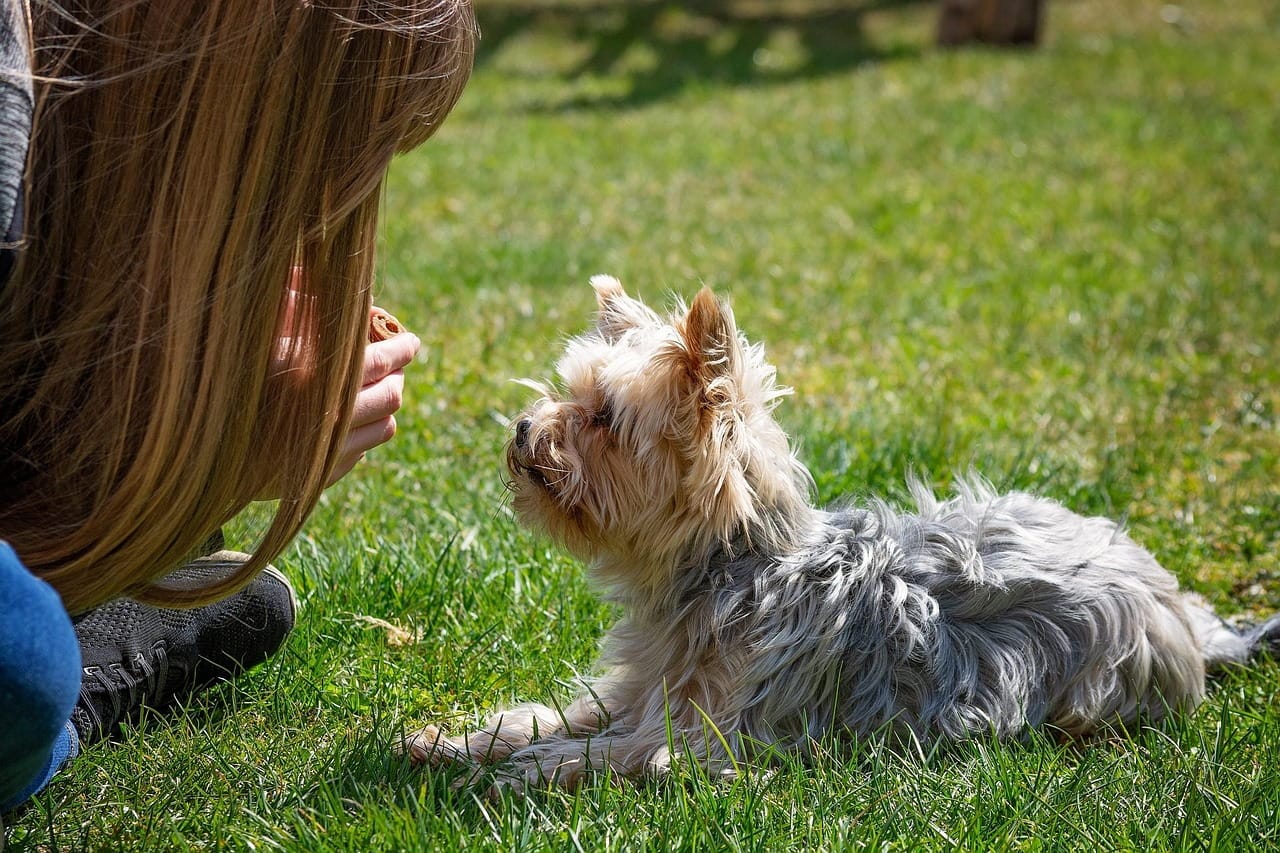
Late spring introduces fresh smells, new sounds, and increased outdoor activity.
Pollen, wildlife, neighborhood foot traffic, and yard activity all increase stimulation. Dogs process this constantly, even when they appear calm.
Some reactions are also tied to increased stimulation, which is explained well in what it takes to keep your dog active as the days get shorter, even though the season differs. The nervous system response is similar.
For example:
A dog that suddenly pulls more on leash may be reacting to increased environmental input rather than ignoring training.
Reason 3: Routine Changes Affect Behavior
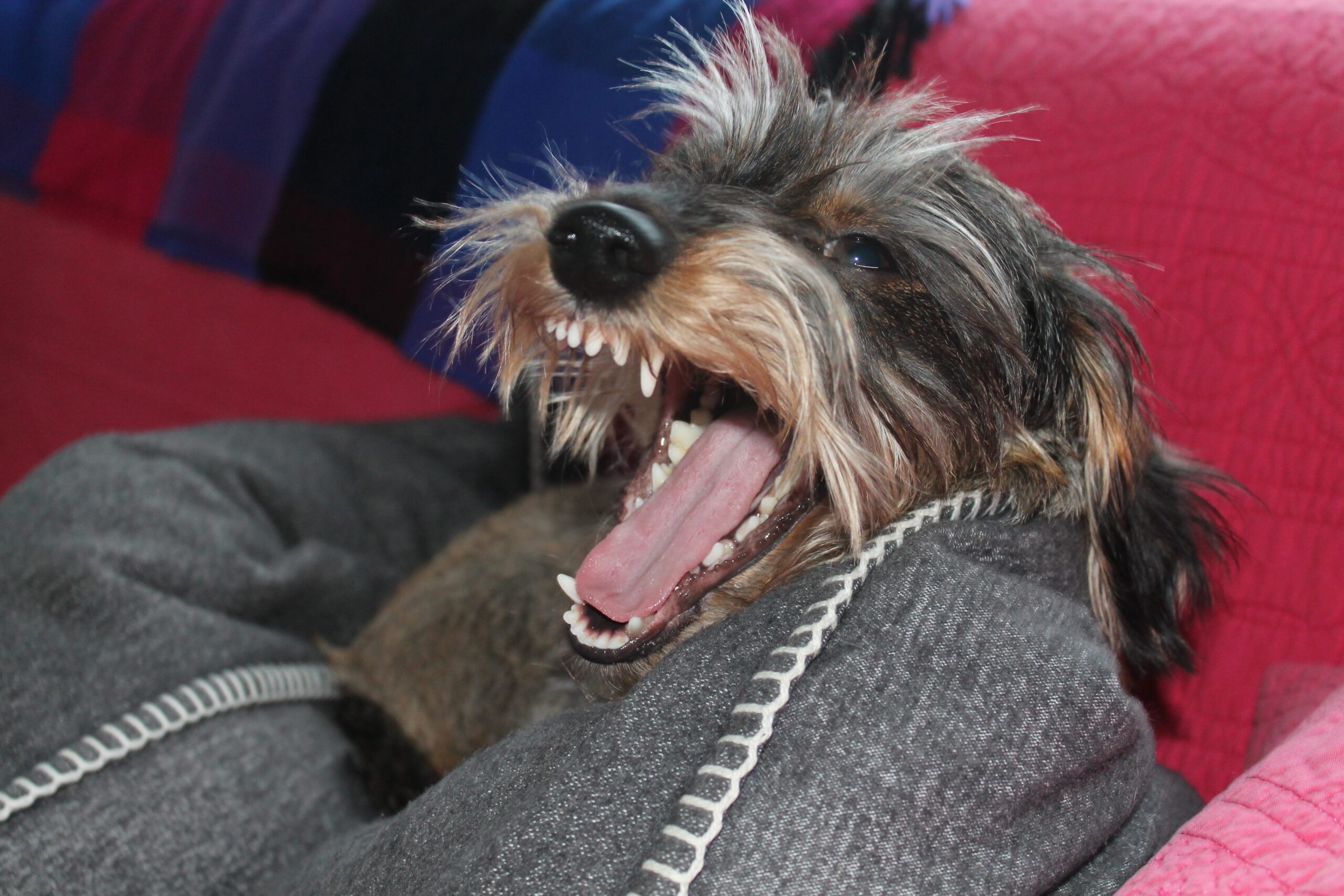
Spring often brings schedule changes for humans. More outings. More guests. More time outside.
Dogs thrive on predictability. When routines shift, behavior often follows.
Behavior changes often mirror seasonal shifts, similar to what owners experience in helping your dog adjust to summer routines and activities.
For example:
Later dinners, skipped walks, or irregular playtime can lead to restlessness or anxiety.
Reason 4: Hormonal Changes Play a Role
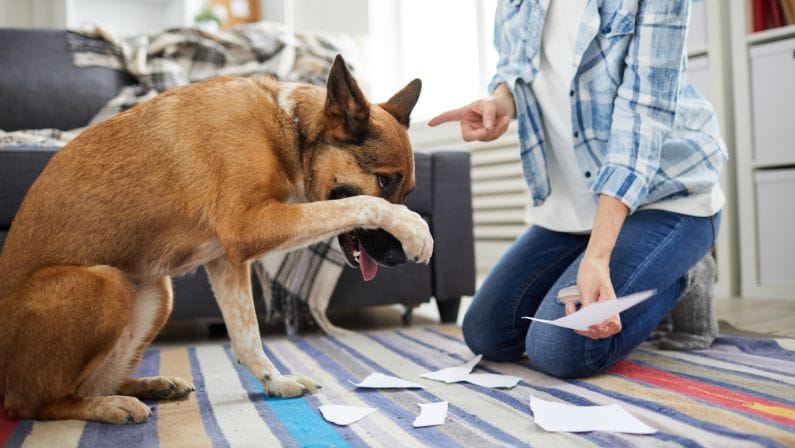
Warmer temperatures and longer daylight can influence hormone levels, especially in intact dogs.
This may show up as increased excitability, territorial behavior, or distraction.
Understanding the cause helps owners respond with patience instead of punishment.
Reason 5: Physical Activity Increases Before Mental Skills Catch Up
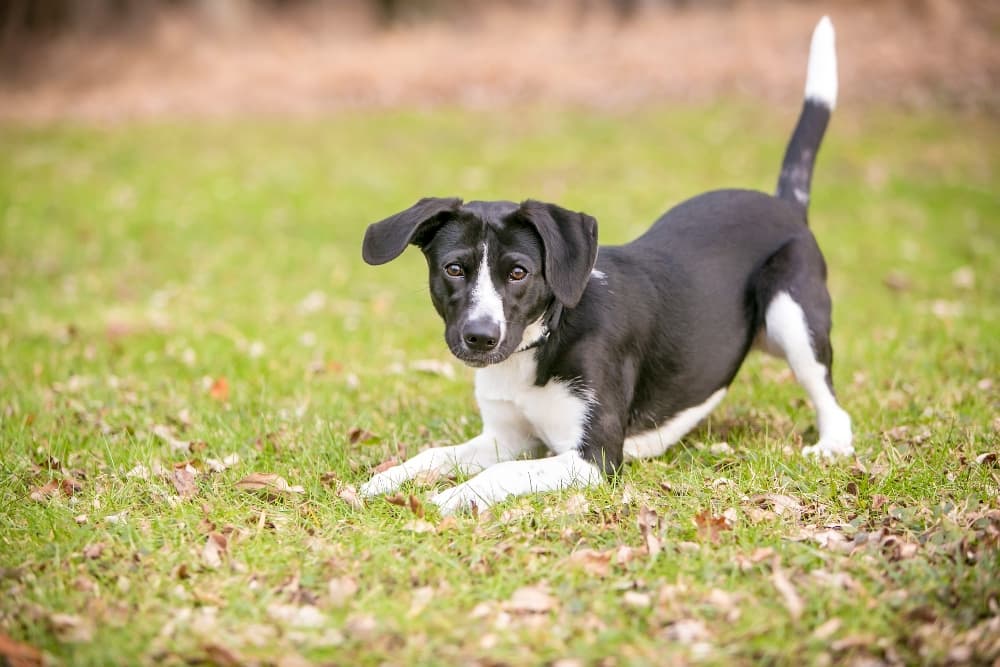
Dogs often become physically ready for more activity faster than their impulse control adjusts.
This gap creates behavior challenges like jumping, barking, or ignoring cues.
Training refreshers during late spring help bridge this gap before summer intensity peaks.
Reason 6: Yard Time Changes Bathroom Habits
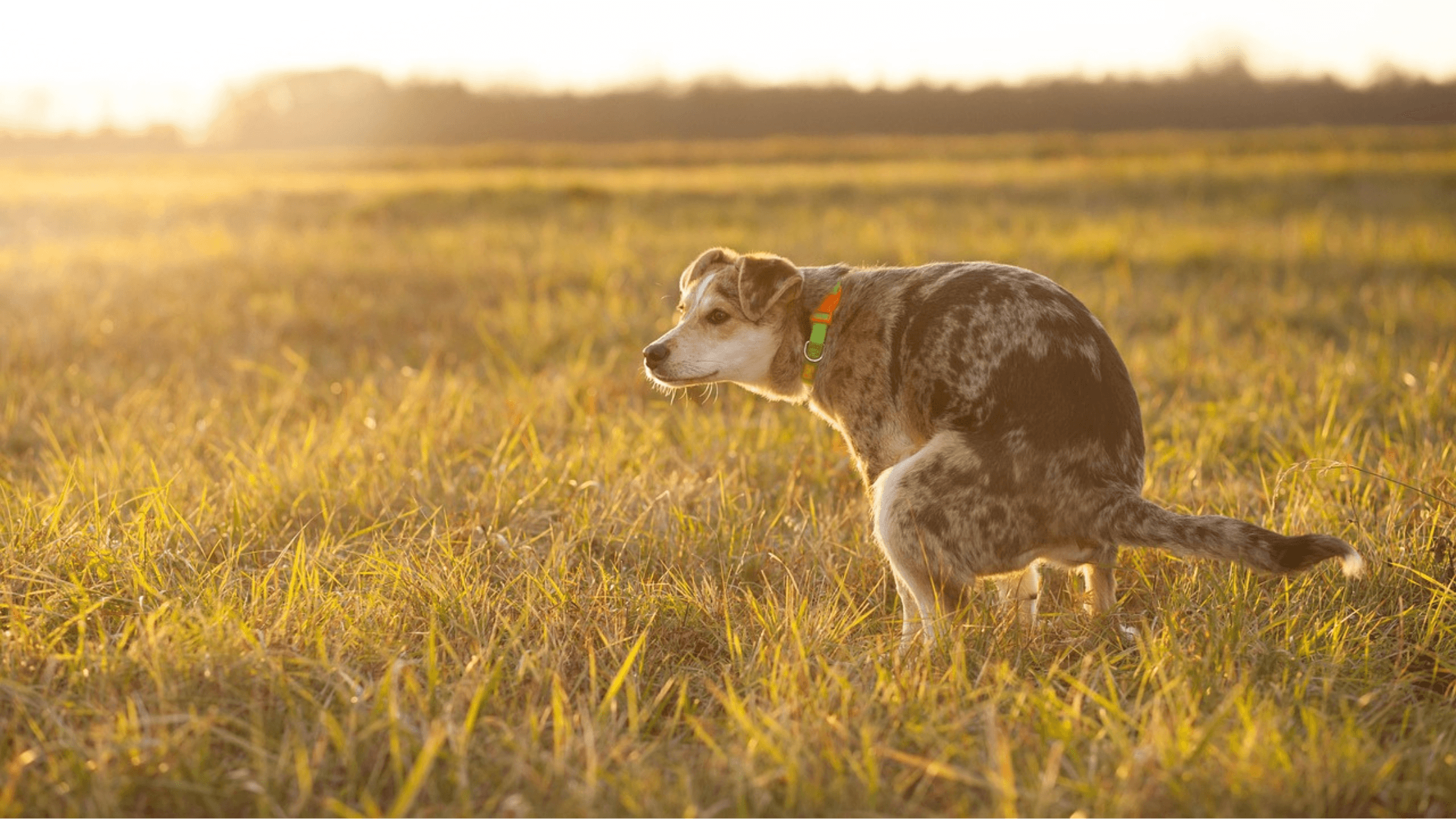
As dogs spend more time outside, bathroom routines shift.
This affects timing, consistency, and sometimes house training reliability.
Owners who notice behavior changes early can reinforce routines before problems develop.
Reason 7: Spring Allergies Impact Mood and Focus
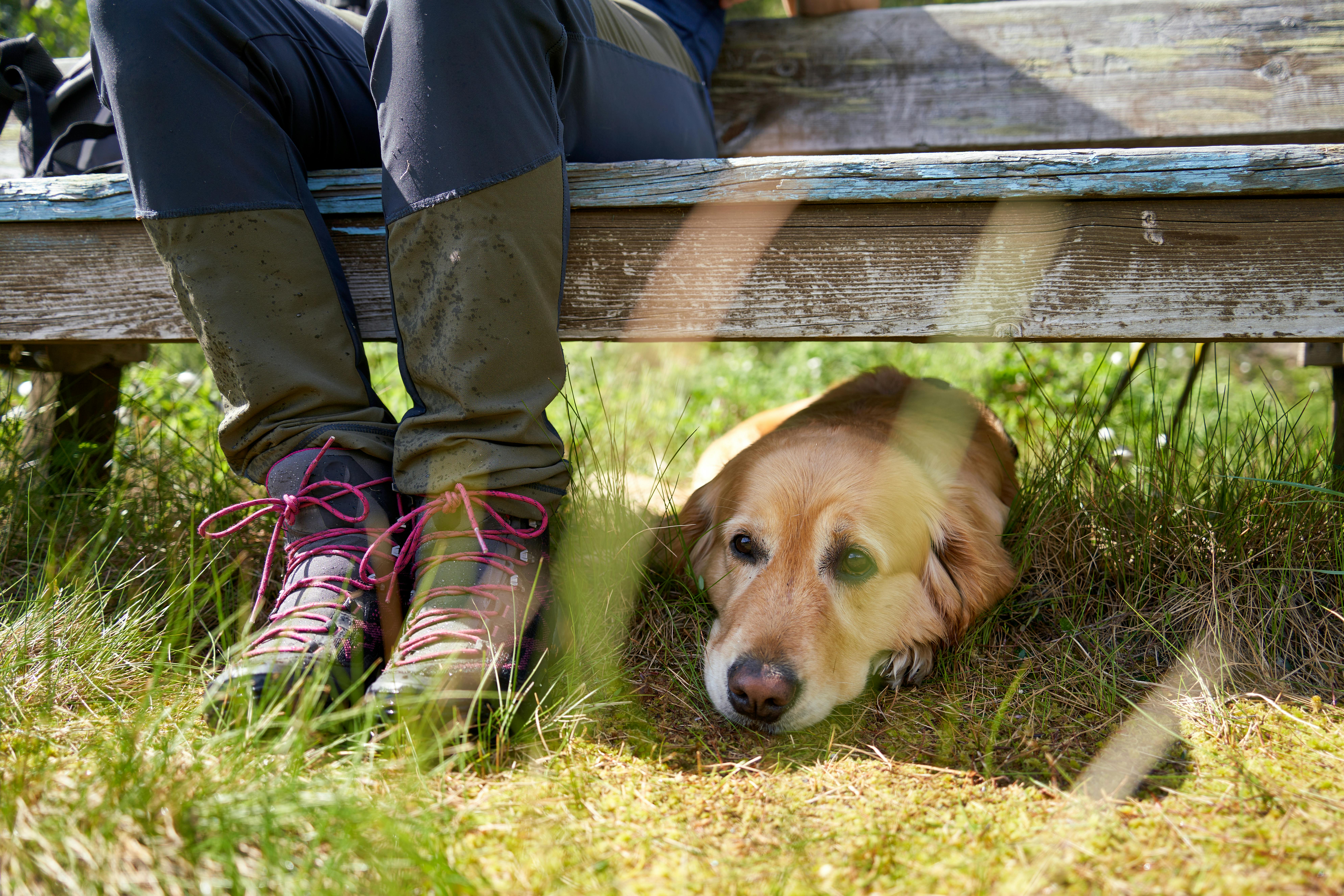
Just like humans, dogs can experience seasonal discomfort.
Itchy skin, watery eyes, and mild irritation can reduce tolerance and focus.
Behavior issues sometimes stem from physical discomfort rather than training gaps.
Reason 8: Increased Social Exposure Requires Practice

Spring brings more encounters with other dogs and people.
Dogs that had limited exposure during colder months may feel overwhelmed.
Gradual reintroduction to busy environments builds confidence and prevents reactivity.
Reason 9: Energy Without Structure Creates Problems
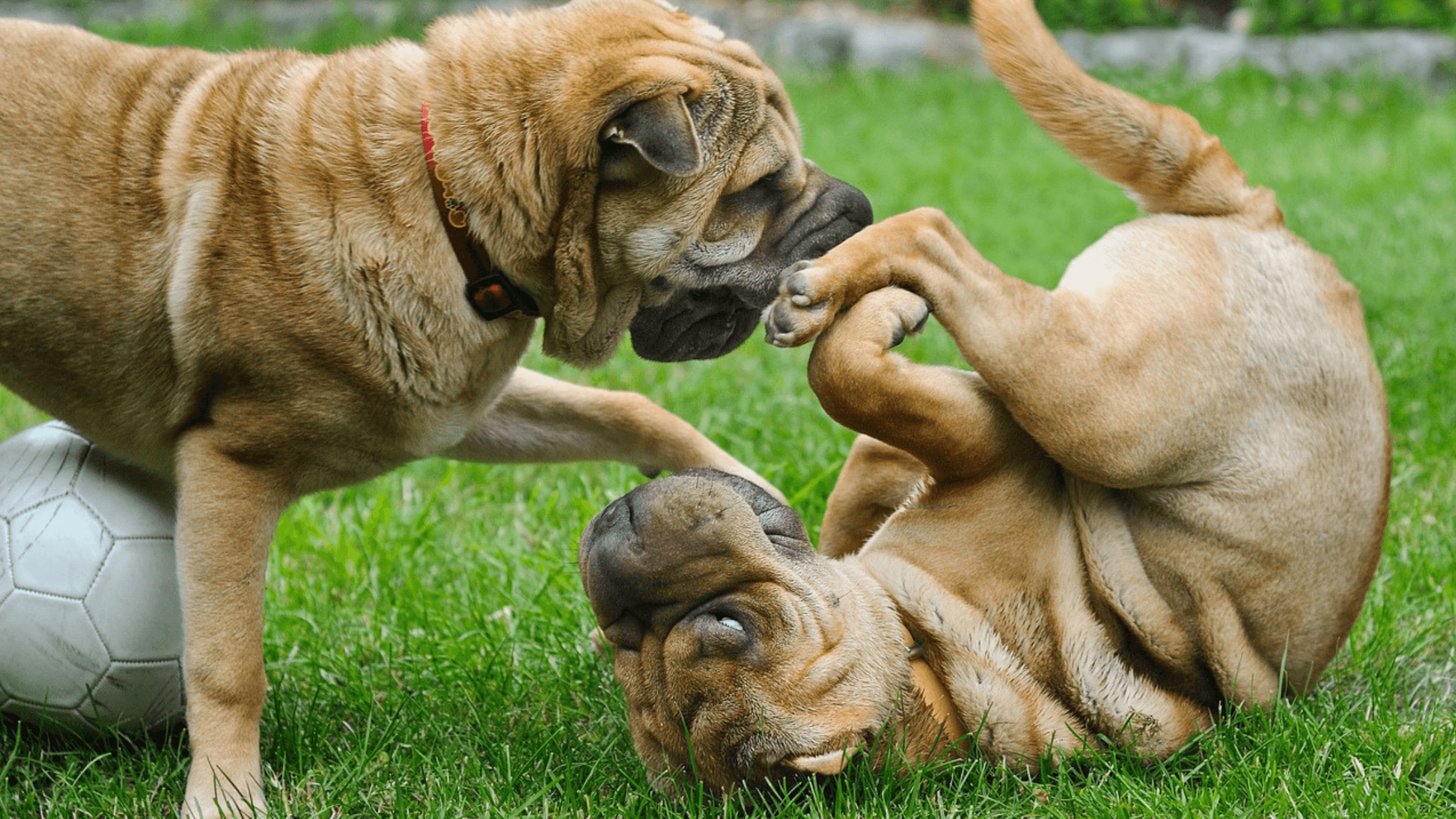
More energy without structure leads to frustration.
Dogs need clear outlets for physical and mental stimulation, especially during seasonal transitions.
Structured walks, enrichment toys, and short training sessions make a significant difference.
Reason 10: Owners Misinterpret Normal Seasonal Behavior
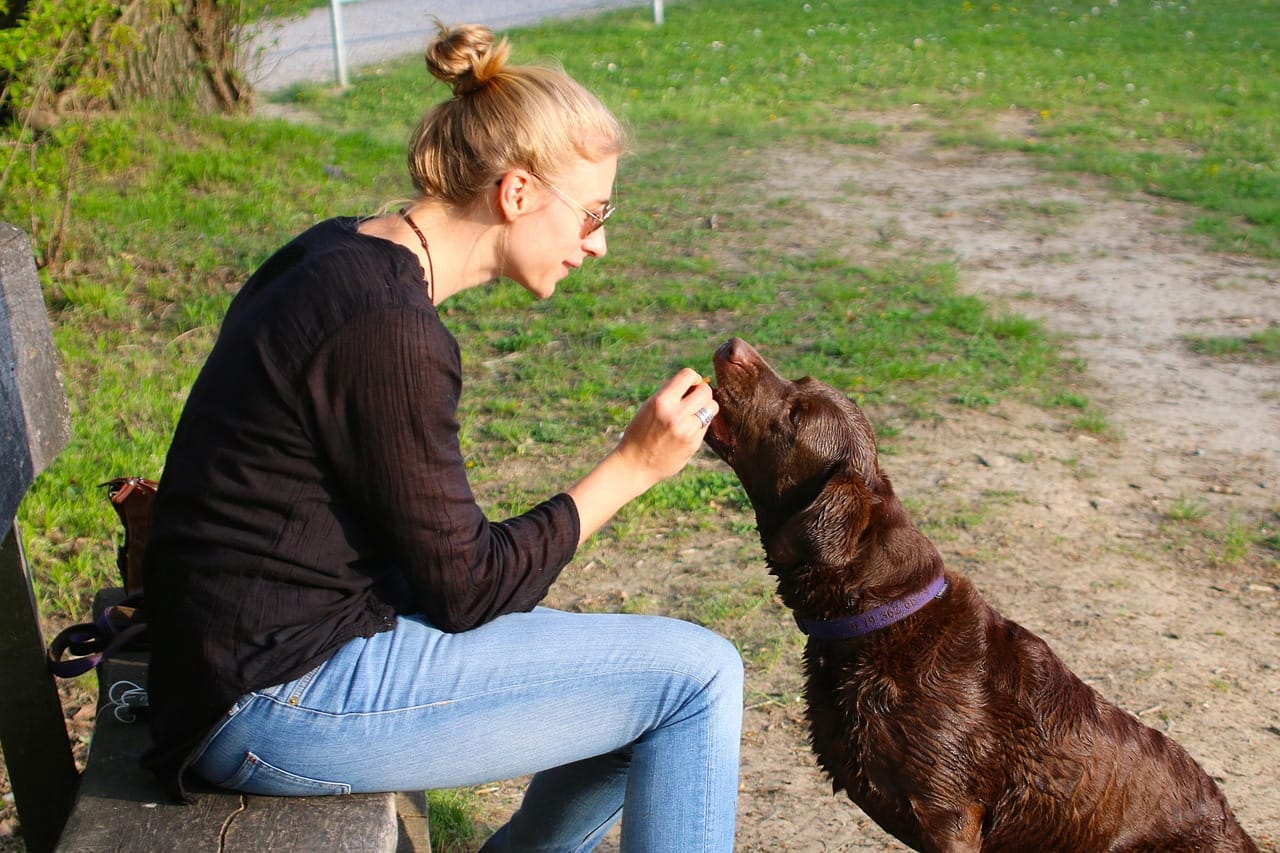
Many owners assume behavior changes mean regression.
In reality, late spring behavior is often a temporary adjustment phase.
Understanding this prevents unnecessary stress and overcorrection.
Reason 11: Awareness Leads to Better Training Outcomes
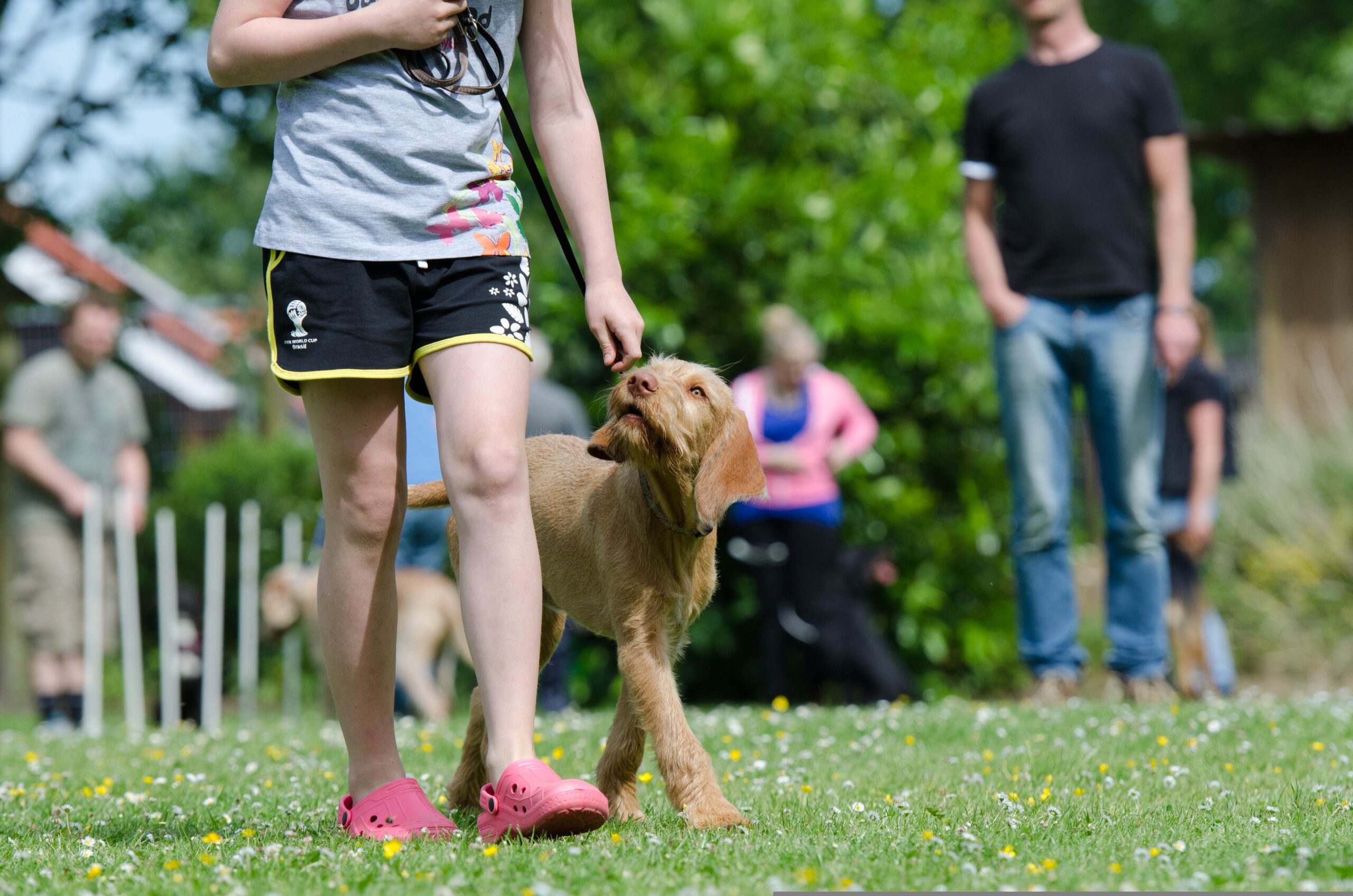
When owners anticipate seasonal shifts, they can proactively adjust routines.
This leads to calmer dogs, stronger communication, and fewer behavior setbacks.
Working with the season builds trust and consistency.
What Owners Can Do Starting Now
Late spring is the perfect time to reset expectations and reinforce routines.
Focus on:
• Predictable walk schedules
• Short daily training refreshers
• Mental enrichment indoors and outdoors
• Clean, distraction free yard spaces
• Patience during adjustment periods
A calm environment supports calm behavior.
Final Thoughts and Next Steps
Understanding why dogs act differently in late spring gives owners clarity and confidence.
Behavior changes are not failures. They are signals.
When you respond with structure, awareness, and consistency, late spring becomes a smooth transition instead of a struggle.
If maintaining a clean yard during this high activity season feels overwhelming, Clean Paws Scooping is here to help. A consistently clean outdoor space supports better routines, fewer distractions, and safer playtime.
Request your free quote today and give your dog the environment they need to thrive this season.