
Why Your Lawn Turns Yellow from Dog Pee and How to Fix It for Good
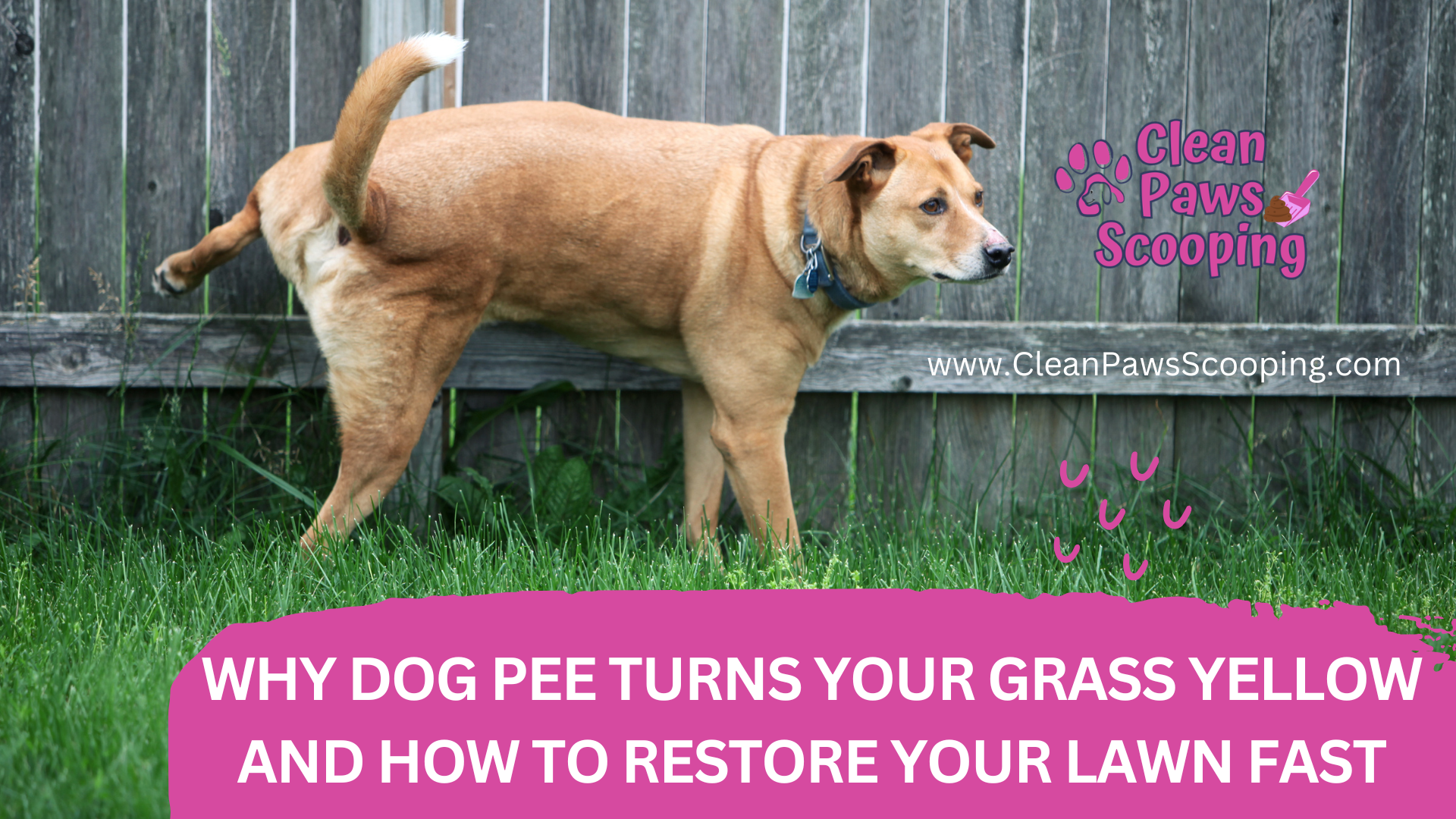
If you have ever walked into your backyard and noticed yellow circles, brown patches, or thinning grass, you are not alone. Pet parents across North Metro Atlanta ask us the same question almost every week: Why does dog urine damage lawns and what can be done to fix it?
Many homeowners in Duluth, Alpharetta, Roswell, East Cobb, Johns Creek, and Peachtree Corners deal with these frustrating spots throughout the year. The problem seems worse in summer, unpredictable in winter, and impossible to stay ahead of when you have more than one dog. The good news is that lawn damage from dog pee is absolutely fixable once you understand what is happening beneath the soil.
Before we get into solutions, it is important to understand what actually causes grass to turn yellow in the first place. The answer is more scientific than most people think.
What Causes Dog Pee To Kill or Discolor Grass
Many people assume that dog urine is acidic and burns grass. In reality, the pH of dog pee is not the main problem at all. The true culprit is nitrogen concentration.
Dog urine contains natural waste products including urea. Urea breaks down into nitrogen once it enters the soil. While nitrogen is essential for healthy plant growth, too much of it acts like an overload of fertilizer that burns the grass from the roots up.
Here is what happens every time your dog pees in the same area:
– Grass receives a sudden and intense surge of nitrogen
– The soil cannot absorb it fast enough
– The roots become stressed and dehydrated
– The grass tissue begins to break down
– A yellow or brown ring appears in a circular shape
This is why the spots often look similar in size and shape. It is also why dogs who pee in the same location create repeated dead zones.
Why female dogs are not always to blame
You may have heard people say that female dogs cause more lawn damage. The truth is that female dogs are not causing worse urine. They simply squat when urinating, which delivers the full concentration directly to the grass instead of dispersing it over a larger area.
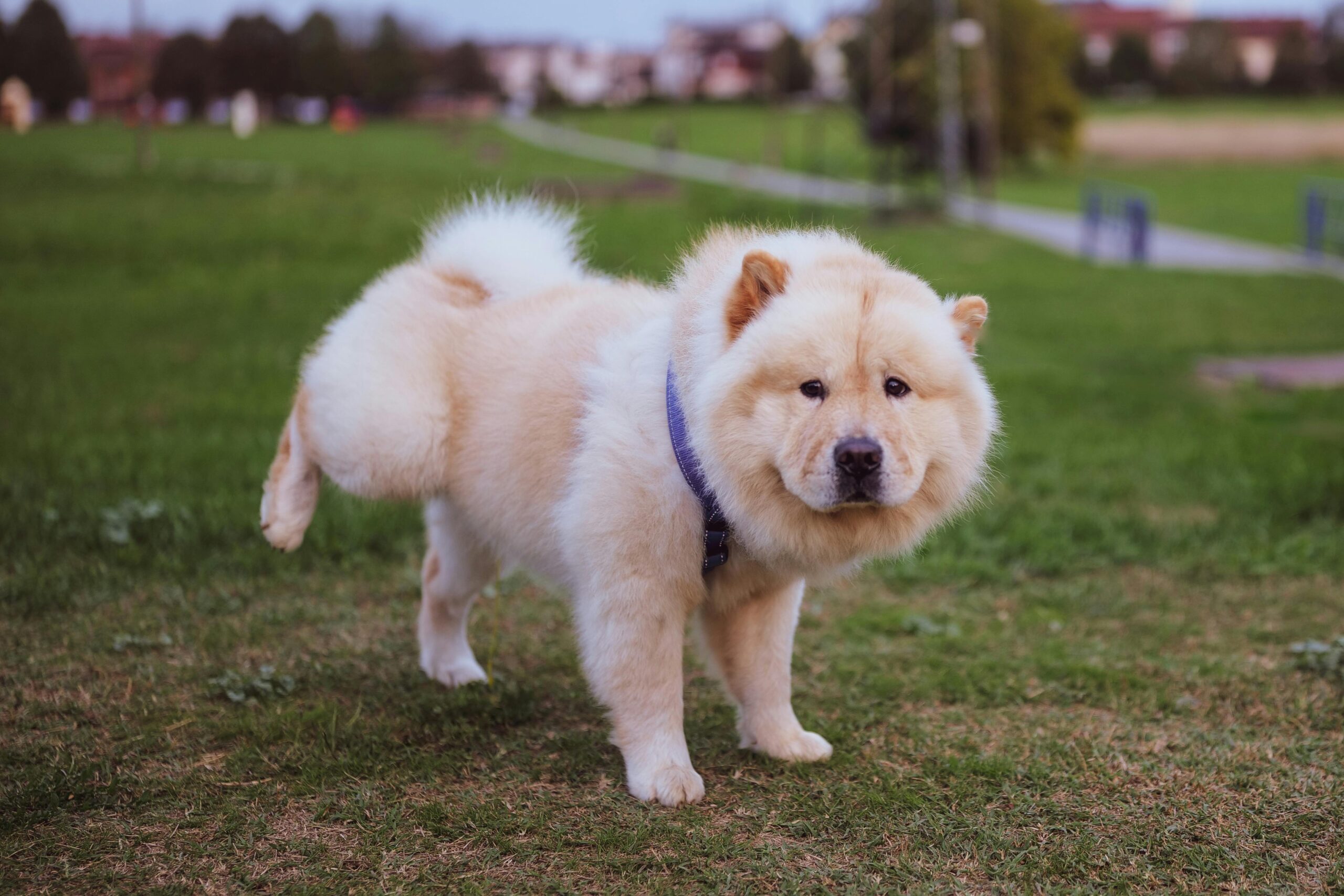
Male dogs can create the same problem when they lift their leg over small shrubs or repeatedly mark the same patch of soil.
Why Georgia Lawns Are Especially Vulnerable
Our local region experiences unique soil and climate conditions that make urine damage even more noticeable.
Clay soil holds nutrients and moisture tightly
Most yards in East Cobb, Roswell, Johns Creek, and surrounding areas sit on Georgia red clay. Clay soil does not drain quickly. When urine hits clay, the nitrogen stays concentrated in the top layer rather than spreading out. This allows the burn to intensify.
Heat and humidity increase the damage
Warm temperatures increase nitrogen breakdown which speeds up the burn. High humidity creates an environment where odors linger and the soil stays soft.
Freeze thaw cycles reveal hidden waste
During winter, urine spots may appear mild. But as soon as a warm spell hits, the nitrogen reactivates and the damaged areas become more obvious. This pattern is similar to what happens when dog waste thaw cycles create odor and contamination. For more on that, see How to Maintain a Clean Yard During Winter Thaws.
Compaction from high traffic
Many local yards are small and fenced in. Dogs often run the same path along the fence, which compacts soil and reduces airflow. Compacted areas are the first to show discoloration.
How To Tell If The Damage Is From Urine Or Something Else
Homeowners sometimes confuse lawn problems, especially in seasons where the grass is naturally dormant. Here is how to identify whether urine is the issue.
Yellow or brown circular patches
Urine spots typically have a round pattern with a more pronounced mark in the center.
Bright green grass around the edges
The outer ring receives a diluted amount of nitrogen, which acts like fertilizer. This creates a green halo effect.
Damage appears quickly
Urine damage can show within twenty four to seventy two hours during warm seasons.
New spots appear in the same areas
Dogs have preferred bathroom zones. If the same area repeatedly declines, urine is the likely cause.
If your yard has multiple types of discoloration or unusual lines that follow mower patterns, look at The Perfect Dog Poop Cleanup Routine for a Healthier Yard . It covers additional contamination issues that affect lawns during cleanup neglect.
How To Prevent New Yellow Spots From Forming
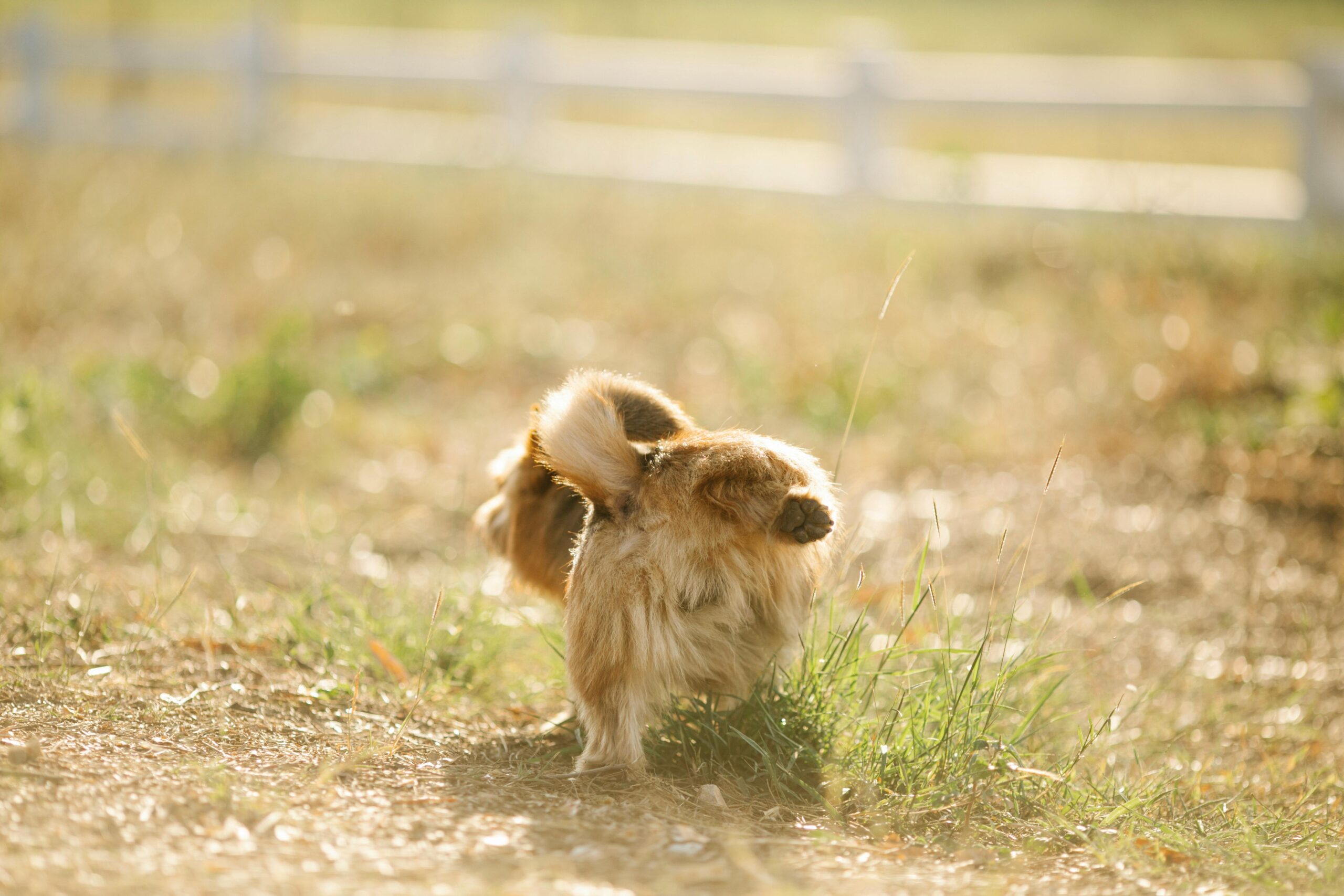
Prevention is always easier than repair. Here are simple habits that reduce or eliminate new burn spots.
Encourage your dog to hydrate well
More water dilutes urine naturally. Use a clean bowl both indoors and outdoors. Add a little water to meals for extra hydration.
Rotate bathroom zones
Move your dog’s potty area every few days. Place a rock, flag, or yard marker so family members know where you want the dog to go.
Create a designated potty patch
Install a mulch, gravel, or artificial turf area for dogs with strong routines. These materials drain better and protect your main lawn.
Rinse pee spots with water
If you are home when your dog goes, pour a cup of water over the area to dilute the nitrogen immediately.
Maintain a clean yard overall
Urine is one part of the equation. Hidden waste and damp soil amplify urine odor and bacteria. For example, thaw cycles and summer humidity make lawns more sensitive to contamination. For more on maintaining a sanitary outdoor space, see Maintaining a Clean and Dog-Friendly Yard During the Hot Summer Months and Fall Yard Maintenance for Dog Owners Keeping Your Outdoor Space Clean.
How To Fix Yellow or Dead Spots in Your Lawn
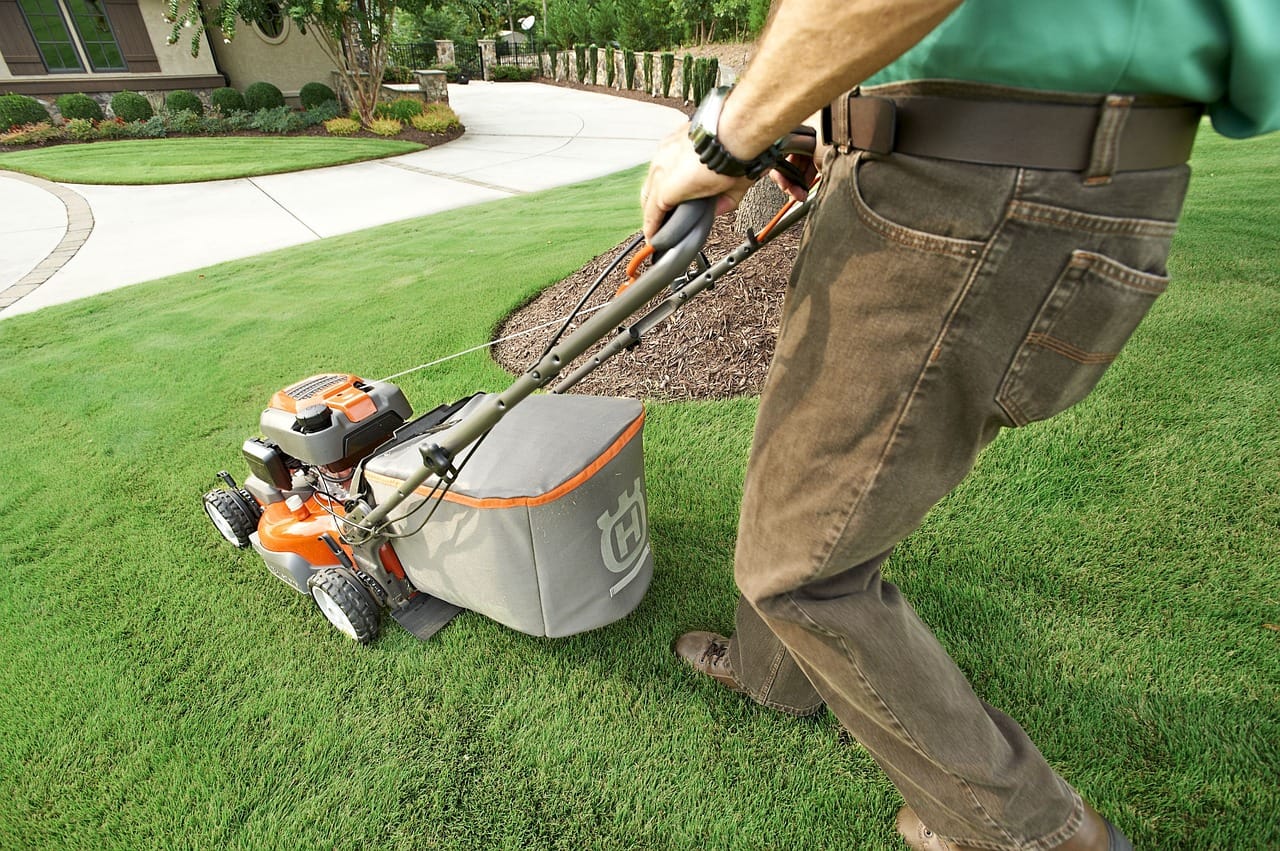
Once the grass has turned yellow or brown, you can still repair it. The steps below work for Bermuda, Zoysia, and fescue lawns commonly found in North Metro Atlanta.
Step 1. Remove any dead material
Use a metal rake or gloved hand to pull out straw like grass. This allows air and fresh soil contact.
Step 2. Flush the soil
Pour water slowly over the spot to wash away concentrated nitrogen. Soaking the soil helps neutralize the area.
Step 3. Loosen the soil
Clay soil becomes tight and compact. Use a hand cultivator to gently break up the top layer. Light aeration improves recovery.
Step 4. Add topsoil
Apply a thin layer of nutrient rich topsoil to encourage regrowth.
Step 5. Reseed or let the lawn spread
Warm season grasses like Bermuda or Zoysia spread laterally. Cool season grasses like fescue require overseeding.
Step 6. Keep the area moist
Water lightly each day for seven to ten days until new growth is established.
Step 7. Prevent repeated damage
Once repaired, protect the area by redirecting your dog or watering immediately after potty breaks.
If you want to fully restore soil health and reduce long term contamination, review the environmental impact of waste buildup in How Dog Waste Pollution Impacts Air Quality What You Need to Know. Urine and fecal contamination often overlap in the same zones.
Natural and Safe Soil Treatments That Really Work
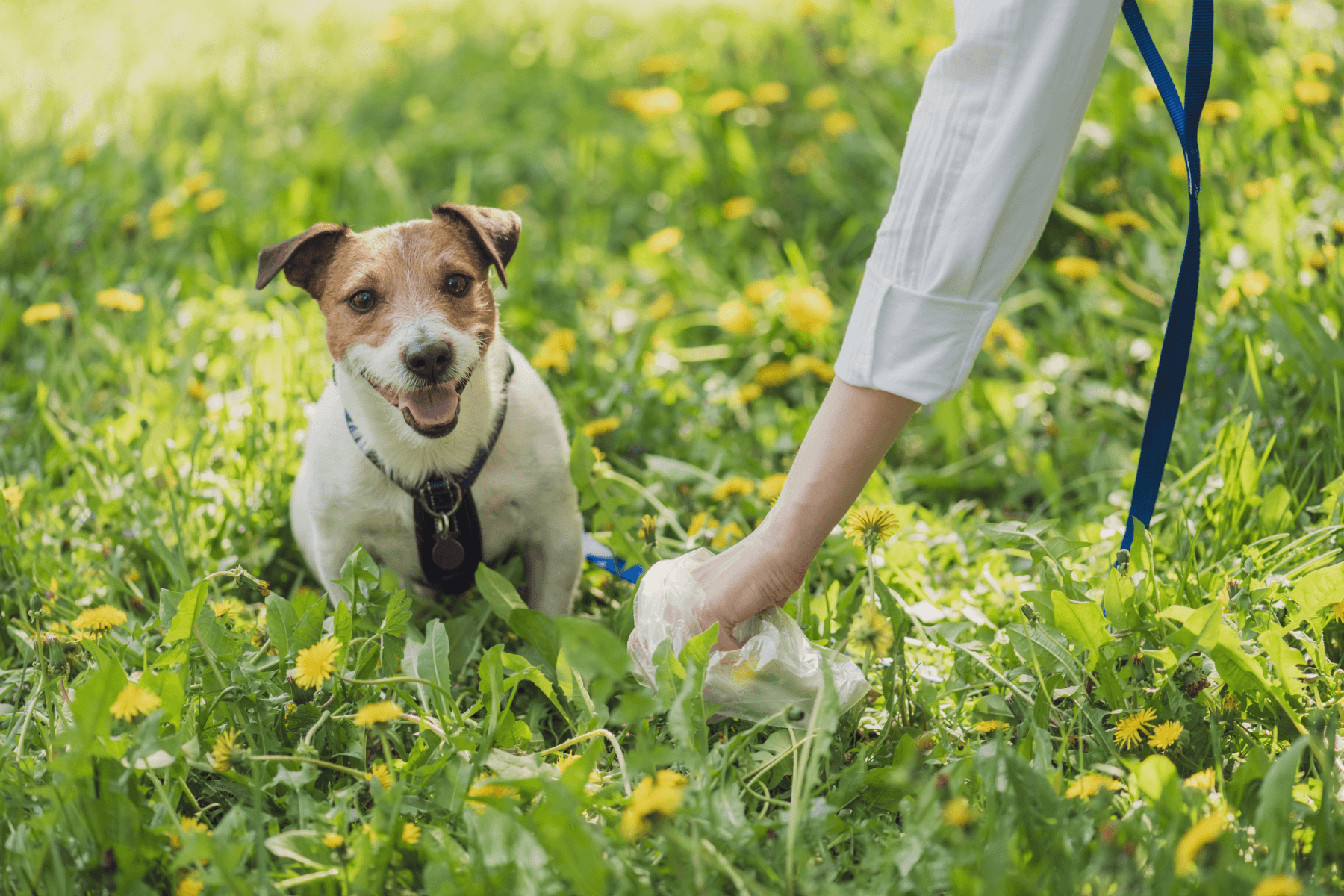
Below are safe, practical methods homeowners can use. None require harsh chemicals.
Compost tea
A gentle nutrient solution brewed from compost adds beneficial microbes that help soil rebound.
Gypsum
Gypsum can help break up clay soil and improve drainage. It does not fix urine spots alone, but contributes to healthier long term soil conditions.
Organic soil conditioners
Products made from humic acids and seaweed extracts increase soil resilience and root growth.
Dilution is still the key
No product can neutralize urine the second it hits the ground. The most effective method is adding water to reduce nitrogen concentration.
What Not To Use On Urine Spots
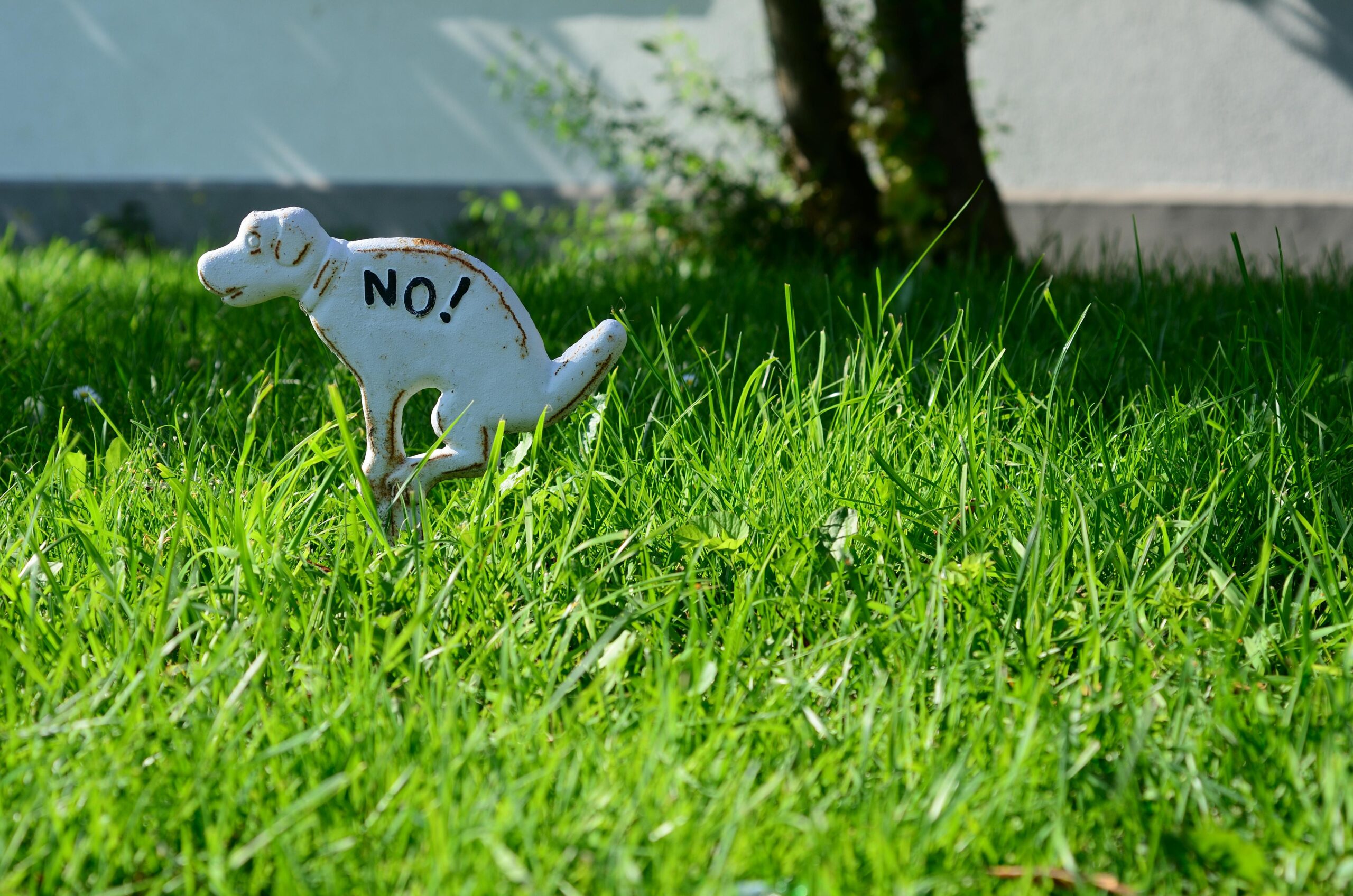
Homeowners sometimes try household or online remedies that cause more harm than good.
Here is what to avoid:
1. Vinegar
This increases soil acidity and burns grass further.
2. Baking soda
This disrupts soil chemistry and kills beneficial microbes.
3. Lime
Lime affects soil pH but does not neutralize nitrogen. Too much lime can kill grass.
4. Salt based treatments
Never use products that contain sodium. Sodium is toxic to lawns.
5. Any spray promising instant fixes
Most contain fragrances that mask odor rather than repairing soil.
Why Some Dogs Cause More Lawn Damage Than Others
If one of your dogs creates more yellow spots than the others, consider these factors:
1. Hydration levels
Some dogs drink less water, creating more concentrated urine.
2. Diet
High protein diets increase nitrogen excretion.
3. Size
Larger dogs release more liquid volume per bathroom visit.
4. Bathroom habits
Dogs who pee in one area cause more noticeable damage than those who roam.
5. Health
If urine suddenly becomes stronger smelling or causes more spots, consult a veterinarian.
For more on how to maintain your yard and reduce recurring contamination issues, see Got Poop on Your Boots Winter Yard Cleanup to the Rescue.
How Weather Patterns Affect Urine Damage
Georgia’s shifting seasons influence how quickly urine damage appears.
Summer
Heat speeds up nitrogen breakdown which creates bright yellow circles. Rainstorms cause runoff, spreading contamination into adjacent grass.
Fall
Cooler temperatures slow damage slightly, but leaves trap urine and increase moisture holding. This creates concealed patches that appear later.
Winter
Frozen soil temporarily preserves damage. When a thaw arrives, the spots reveal themselves. This cycle behaves similarly to how thawed waste reactivates odor, which is explained in How to Maintain a Clean Yard During Winter Thaws.
Spring
Growth surges make mild spots recover on their own while severe winter damage becomes more visible.
Why Yard Cleanliness Matters Even More Than You Think
Urine is not the only factor affecting yellowing or damaged grass. Waste buildup, moisture changes, and soil contamination all contribute to unhealthy lawns.
A clean yard matters because:
1. Waste holds bacteria that weakens the root zone
2. Moisture combines with nitrogen and intensifies odor
3. Pests and flies are attracted to contaminated soil
4. Runoff spreads contaminants from one dog spot to another
To understand how to maintain a healthy lawn throughout seasonal transitions, review Eco Friendly Dog Care Sustainable Practices Every Owner Should Adopt.
When your yard is consistently clean, lawn repair becomes easier and the risk of urine burn decreases.
When It Is Time To Bring In Professionals
If you have tried repairing urine spots and the damage keeps returning, it may not be a simple burn issue. Professionals can evaluate soil compaction, grading, nutrient balance, and drainage.
A lawn care company that understands pet friendly maintenance can help with:
1. Soil testing
2. Aeration
3. Overseeding
4. Neutralizing compacted soil
5. Improving drainage patterns
At the same time, Clean Paws Scooping helps reduce long term waste contamination and keeps your yard fresh between professional treatments.
Final Thoughts:
A Cleaner Yard Starts With Consistency
Dog urine stains may look frustrating, but with the right knowledge and habits, you can restore your lawn and prevent future spots. Understanding nitrogen overload, soil behavior, and Georgia climate patterns helps you treat the root of the problem instead of just the symptoms.
A healthy lawn requires four things:
1. Consistent scooping
2. More hydration
3. Better soil care
4. Redirected bathroom habits
Clean Paws Scooping can handle the cleanup so you can focus on the rest. With a fresh yard and simple daily habits, your grass can stay green, safe, and beautiful all year long.
Request a Free Quote Today!
If you want to make sure your yard stays clean while you enjoy these daily walks with your dog, we’re here to help. Our dog waste removal services make keeping a tidy yard simple and hassle-free. Reach out to us today for a free quote and let us do the dirty work, so you can focus on enjoying time with your furry friend.