
What Is Pet Waste Management All Your Questions Answered
What Is Pet Waste Management
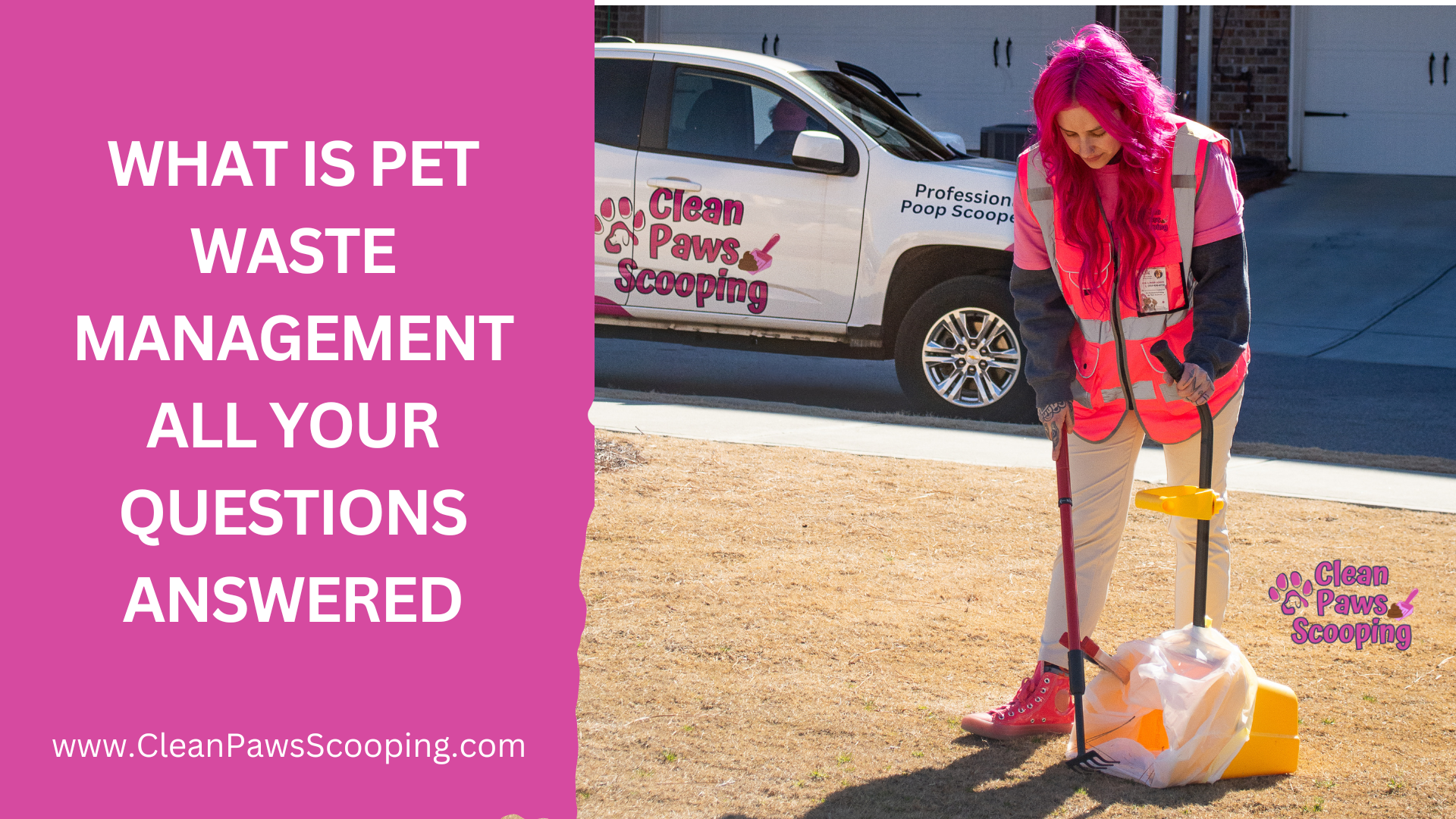
Pet waste management simply means safely removing and managing dog waste so it does not harm your yard, your pets, or the environment.
In simple terms, it is the process of regularly removing dog waste, preventing buildup, and protecting the health of the lawn and surrounding areas.
For experienced dog owners, the concept goes deeper than just scooping poop.
Pet waste management also involves
- understanding how waste interacts with soil
• preventing odor and bacterial buildup
• protecting grass from nitrogen damage
• reducing parasites and flies
• maintaining a clean outdoor environment
Without a proper routine, waste can quietly create bigger problems over time.
Many homeowners start noticing issues after learning how hot weather changes a dog’s bathroom habits during the summer months, which often causes dogs to return to the same spots more frequently.
When waste sits in those areas too long, the yard begins to suffer.
How Pet Waste Management Works
Do not worry. You do not need to become a lawn scientist to understand how pet waste management works.
Think of your yard like a living system.
When waste is removed regularly, the system stays balanced.
But when waste sits in the same areas week after week, the balance breaks down.
First, bacteria begin multiplying within the waste.
Next, nitrogen from urine and waste begins saturating the soil.
As a result, the grass becomes stressed and odors begin forming beneath the surface.
For example
If a dog repeatedly uses the same shaded area near a fence, waste can accumulate in that spot faster than homeowners realize. Over time, bacteria, odor, and turf damage build up together.
This is why many homeowners eventually discover why summer heat makes inconsistent scooping routines more risky than you might think.
Heat accelerates bacteria, odor, and lawn stress.
Top Tip
Removing waste consistently prevents these cycles before they start.
Why Pet Waste Management Matters for Dog Health
Many people assume dog waste is just a cosmetic issue.
In reality it can affect the health of both dogs and humans.
Dog waste can contain bacteria and parasites that survive in soil long after the waste is gone.
When waste is left too long in a yard, dogs may
- step in contaminated areas
- roll in grass with bacteria present
- track bacteria indoors on their paws
This becomes even more important during summer because dogs often spend more time outside.
Warm weather, backyard playtime, and longer daylight hours mean dogs interact with the yard more frequently.
The cleaner the yard stays, the healthier the environment becomes for everyone using the space.
How Can Dog Owners Learn Pet Waste Management
You are already taking an important first step just by learning about it.
Most dog owners gradually build routines that work best for their household.
Start with these fundamentals.
Create a consistent cleanup schedule.
Weekly cleanup is the minimum for most yards, while homes with multiple dogs may require more frequent attention.
Observe where your dog naturally prefers to go in the yard.
Dogs tend to return to familiar spots, especially shaded areas.
Monitor your yard for early warning signs such as
- persistent odor
- thinning grass
- flies appearing near certain areas
These signals indicate waste may be sitting too long.
Once routines improve, most yards become significantly easier to maintain.
How Can Dog Owners Learn Pet Waste Management
After working with hundreds of yards across North Metro Atlanta, we have noticed a few success factors that consistently produce the best results.
Chapter 1: Waste Removal Success Factors
Successful pet waste management comes down to three core elements
Consistency
Awareness of high use areas
Adjusting routines during warmer months
Consistency keeps waste from building up.
Awareness helps homeowners catch problem spots early.
Seasonal adjustments prevent summer heat from accelerating odor and lawn damage.
These three factors alone solve the majority of problems dog owners experience in their yards.
Chapter 2: Yard Awareness Success Factors
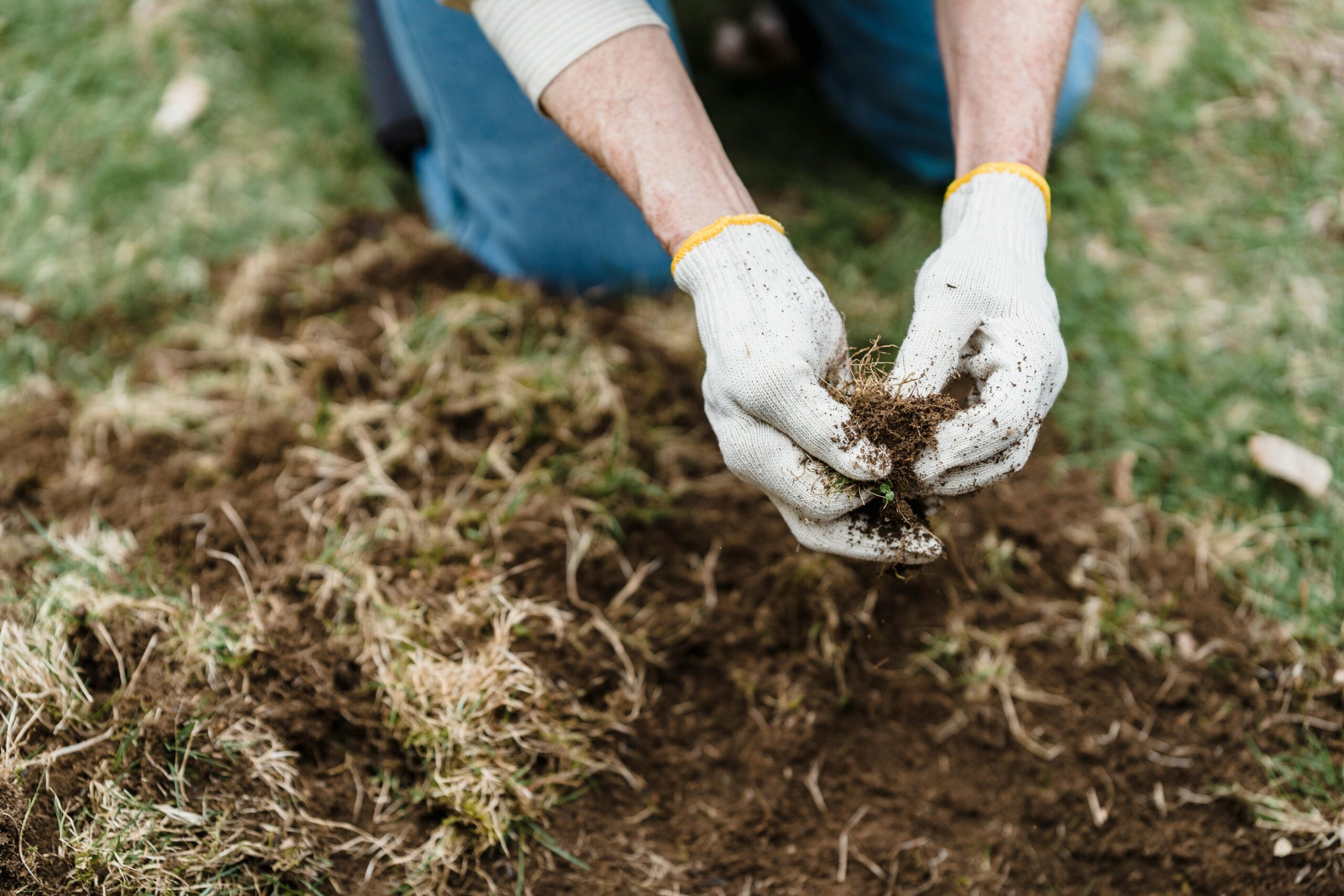
Yard awareness is one of the most overlooked parts of pet waste management.
Your priority should always be understanding how your dog uses the space.
For example
Many dogs prefer cooler areas near fences, trees, or shaded corners.
These areas should always be checked during cleanup.
Pro Tip
Walk the yard in a simple pattern during cleanup so hidden spots never get overlooked.
This habit alone prevents many odor problems before they start.
Chapter 3: Behind the Scenes of Yard Health
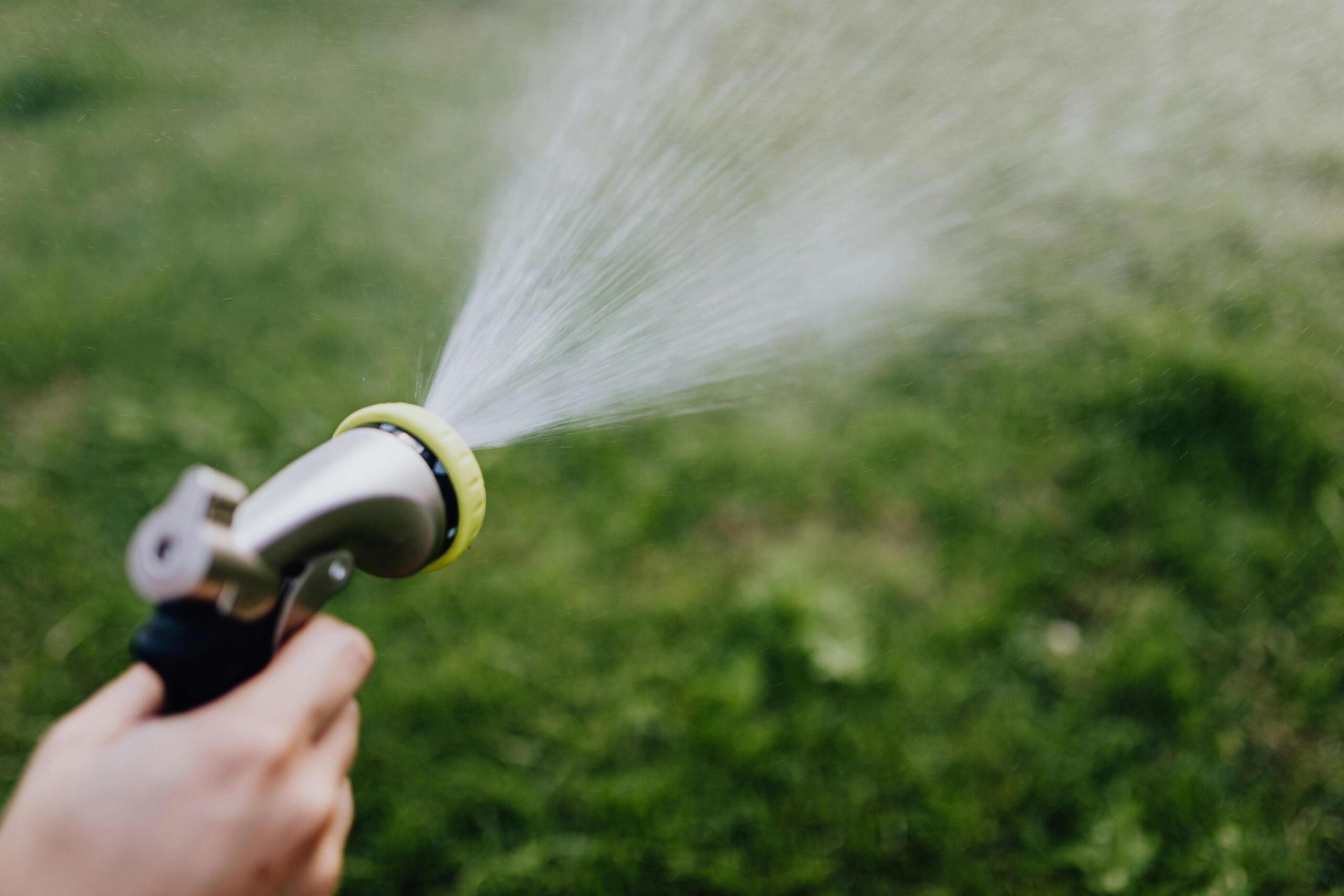
The next major factor is protecting the health of your lawn.
Healthy grass naturally recovers better from urine and waste stress.
But when waste sits too long, soil chemistry begins changing beneath the surface.
This can lead to
- yellow patches
- thinning grass
- persistent odor
Regular waste removal allows the lawn to recover between visits.
This keeps your yard healthier throughout the entire season.
Chapter 4: Pet Waste Management and Summer Behavior
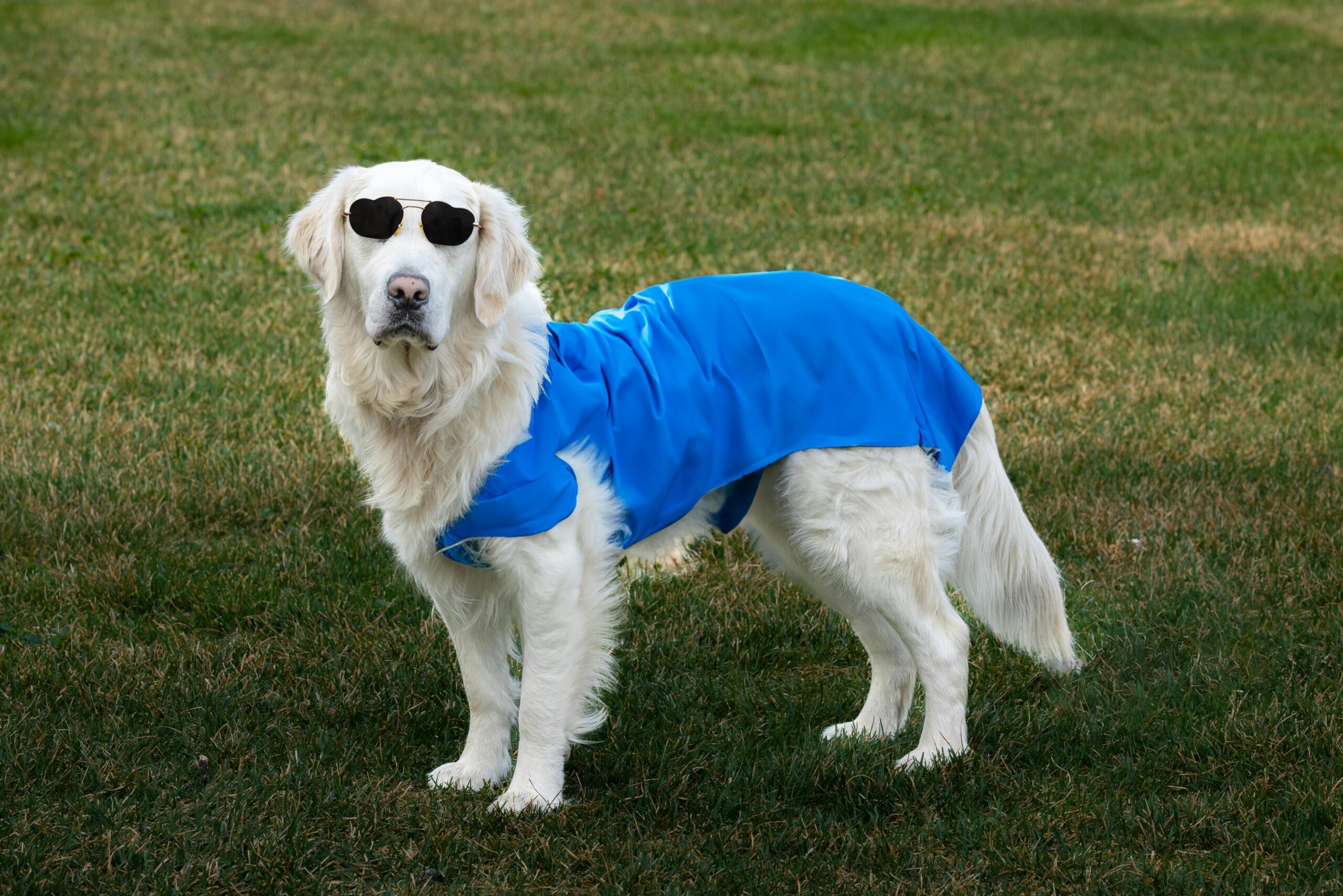
Dogs behave differently in warm weather.
They often spend more time outside and may return to the same potty spots repeatedly.
Together, these behaviors increase the importance of routine yard cleanup.
Common questions dog owners ask include
How often should waste be removed
Why does odor increase in summer
Why do dogs return to the same spots
The answer almost always comes back to routine.
Regular cleanup prevents buildup cycles from starting.
Chapter 5: The Future of Pet Waste Management
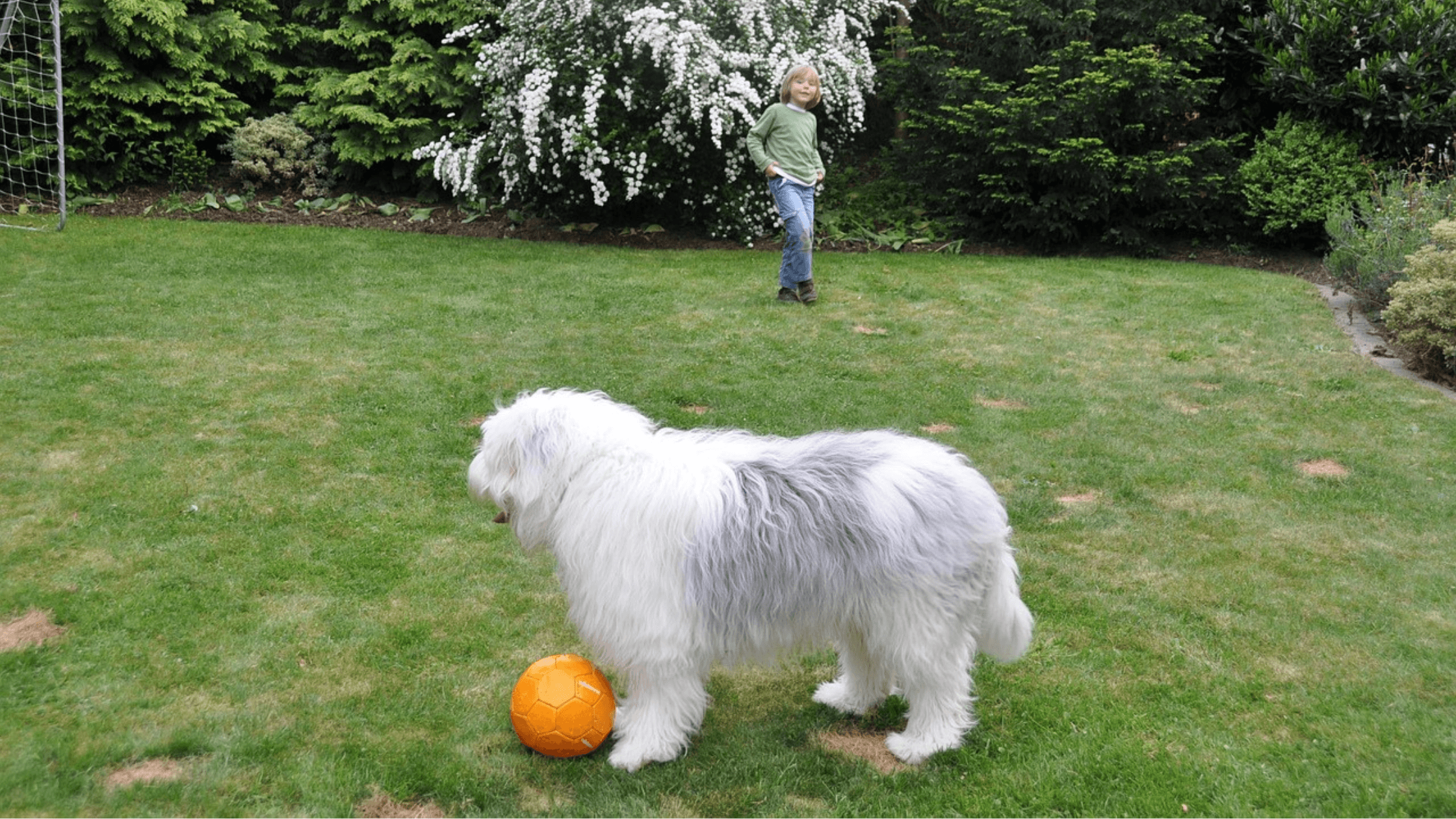
Pet waste management has become an important part of responsible pet ownership.
More communities are recognizing that waste management protects public spaces, dog parks, and shared environments.
As more families bring dogs into their homes, proper waste handling will continue becoming part of everyday pet care.
Understanding these principles now helps dog owners maintain cleaner, healthier yards for years to come.
Wrapping It Up
Thank you for joining this complete guide to pet waste management.
By now you understand what pet waste management is, why it matters, and how simple routines can dramatically improve your yard.
Small habits practiced consistently make the biggest difference.
If you ever have questions about managing waste in your yard, you can always reach out through CleanPawsScooping.com or connect with us on social media.