

4 Summer Yard Myths Every Dog Owner Needs to Know
If you think summer yard care is just about scooping when things look bad, I have news for you. That advice is steering you in the wrong direction.
During the hottest months of the year, small misunderstandings can turn into bigger problems fast. A yard that seems mostly fine on Monday can smell stronger by Thursday. Grass that looks healthy one week can start thinning the next. Dogs that seemed totally comfortable outside can suddenly start avoiding certain spots, pacing near the door, or tracking mess back into the house.
That is why summer myths are not harmless.
When dog owners follow bad advice in hot weather, they often waste time, money, and effort on routines that do not actually protect their dog or their yard. Even worse, some of those myths make the real problem harder to fix later.
So in this post, I am debunking four common summer yard myths to help you get on the right track for good.
Summer Yard Myth 1: Scooping once in a while is enough if the yard looks clean
Back in the day, a lot of dog owners treated waste cleanup as a visual task. If the yard did not smell too bad and there were not obvious piles everywhere, it seemed manageable enough.
At least that is what many people thought.
And to some extent, that approach can feel like it works in cooler weather. Waste breaks down more slowly. Odors do not hit as hard. Grass damage is easier to miss.
However, this casual approach is not nearly as effective in summer.
The biggest reason is heat.
Warm temperatures speed up bacterial growth, intensify odor, and make the effects of waste buildup show up faster. Humidity makes it even worse. A yard can look mostly clean on the surface while still developing sanitation issues underneath.
There are other reasons too. Dogs often spend more time outside during summer, which increases how often they use the yard. Families also use the yard more for grilling, playtime, and relaxing, so tolerance for hidden buildup drops fast.
Which means that if you want a cleaner, healthier yard in summer, you cannot just rely on what you can see.
What to do instead
You need to follow a predictable routine, not a visual guess.
That means removing waste on a schedule that matches the season, your dog count, and how often the yard gets used. Many homeowners start noticing the difference once they understand why summer heat makes inconsistent scooping routines more risky than you think.
When you stay ahead of the buildup instead of reacting to it, the whole yard becomes easier to manage.
Summer Yard Myth 2: Rain will wash everything away
Trying to let summer storms do the cleanup for you is frustrating and ineffective.
It sounds convenient. Rain comes through, the yard gets soaked, and somehow people assume nature handled the problem. But that is not what usually happens.
Instead, rain often spreads residue deeper into the soil, reactivates odor, and moves contaminants into new parts of the yard. If there is existing buildup, moisture and heat work together to make the smell stronger, not weaker.
And if that is not enough, here are three other reasons this myth does not work.
Reason one
Rain does not remove solid waste from the yard.
Reason two
Wet conditions can make high traffic areas muddier and more uncomfortable for dogs.
Reason three
You still wind up dealing with the same sanitation issue, only now it is mixed with heat and moisture.
What to do instead
A better approach is to scoop before storms when possible and inspect the yard afterward. Focus especially on fence lines, shaded spots, and the areas your dog returns to most often.
This matters even more once you notice how hot weather changes your dog’s bathroom habits during the summer months. Dogs often shift where and how often they go when temperatures climb, which means rain can spread problems from concentrated areas more quickly than owners expect.
The best part is that when you handle waste before weather moves in, your yard stays more stable and you avoid the cycle of odor spikes after every storm.
Summer Yard Myth 3: Strong yard smells are normal in hot weather
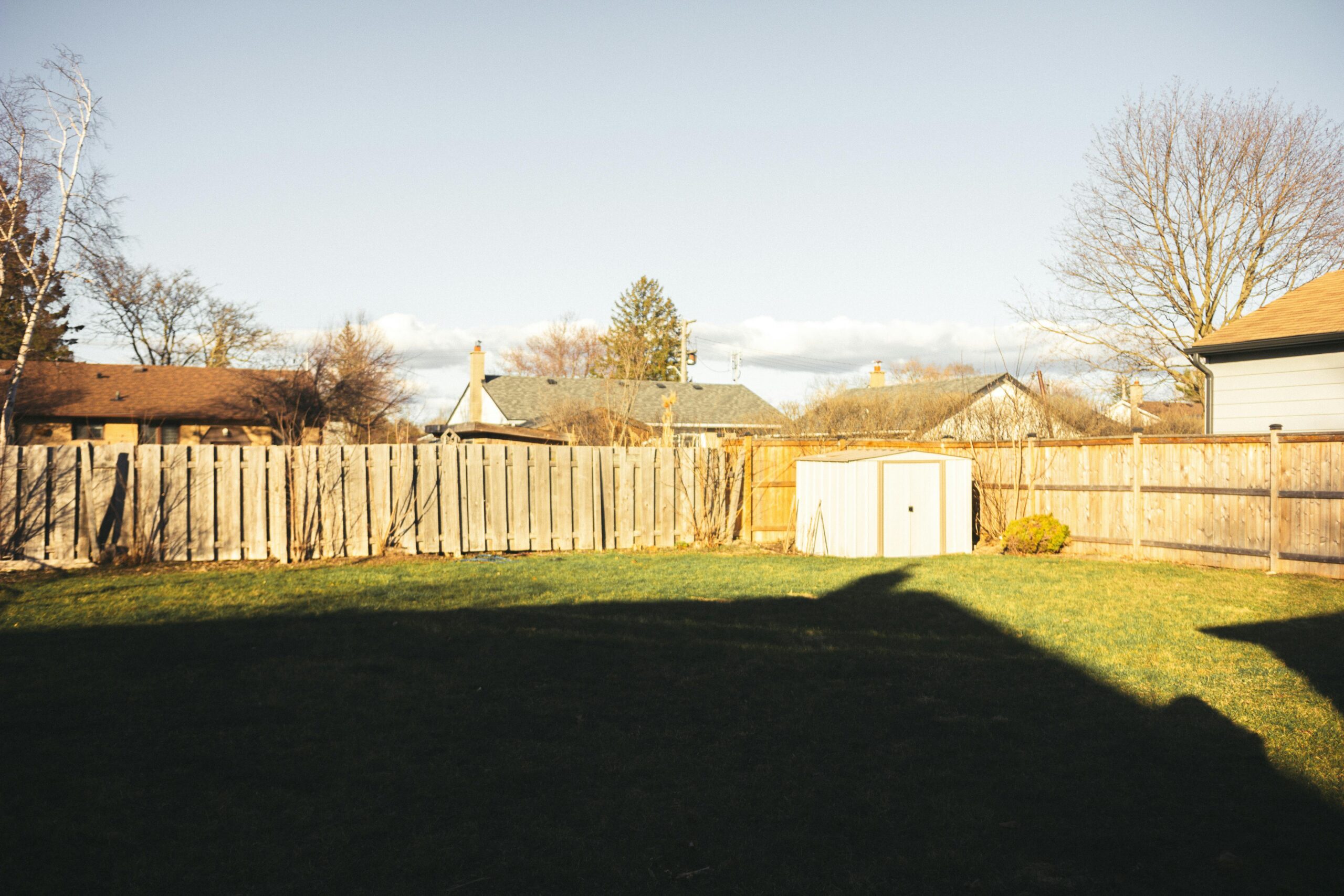
One of the most persistent myths about summer yard care is the idea that bad smells are just part of the season.
Not true.
Heat may make odors more noticeable, but strong smells usually mean something specific is happening. Waste may be sitting too long. High use areas may be overloaded. Urine concentration may be stressing the turf. Bacteria may be building up faster than your routine can keep up with.
So yes, odor matters. Just not in the way many people think.
A strong smell is often one of the earliest warning signs that your current system is falling behind. It is not something to shrug off and hope disappears on its own.
If you ignore it, you are not just hurting your chances of keeping the yard fresh. You also run the risk of letting the problem spread beneath the surface, where it becomes harder to correct later.
What to do instead
Treat odor like information.
Instead of masking it with random sprays or hoping it fades after sunset, ask what the smell is telling you. Is one area being overused. Has your schedule slipped. Is runoff collecting in a low corner of the yard. Has a recent stretch of heat changed how waste behaves.
For example, many homeowners are surprised by how much clarity they gain when they learn to identify common summer yard smells dog owners ignore that can signal bigger problems. Once you understand what different odors point to, it becomes easier to fix the actual cause instead of reacting late.
Summer Yard Myth 4: If your dog seems fine outside then the yard is probably fine too
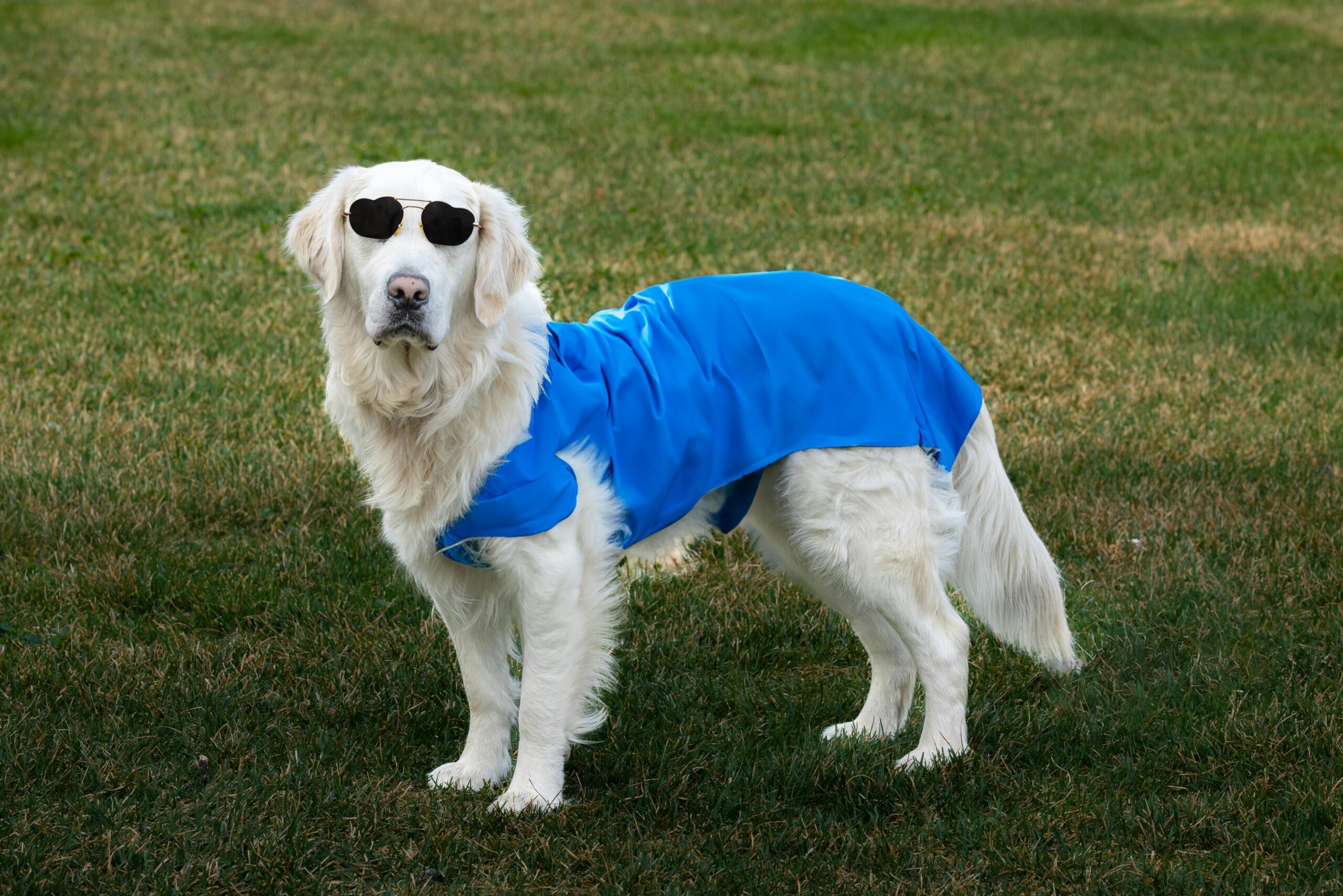
The truth is that a dog acting mostly normal does not always mean the yard is in great condition.
Even if your dog still runs around, sniffs, and does their usual routines, hidden issues can still be developing. Dogs adapt quickly. They may avoid one area without making it obvious. They may return to the same cooler spots over and over. They may track bacteria or residue indoors long before an owner realizes what is happening.
To really get the results you want, you should be paying attention to both your dog’s behavior and the condition of the yard itself.
Dogs communicate a lot through patterns. Where they linger. Where they avoid. How often they ask to go out. Whether they come back inside more restless than usual. These changes can all tell you something about the environment they are using every day.
What to do instead
Pay attention to behavior and conditions together.
A simple step you can take today is to start doing one quick yard walk each week with your dog’s habits in mind. Look for repeated potty spots, slick grass, odor after rain, thinning turf, flies, and areas your dog seems less interested in using.
This is effective because it helps you catch issues early, before they turn into a bigger yard reset later in the season.
Why these myths stick around
Summer yard myths last because they sound easy.
People want simple answers. Scoop when it looks bad. Let rain handle it. Ignore the smell. Assume the dog would tell you if there were a problem.
But most healthy yard routines are built on consistency, not convenience.
The truth is that summer is less forgiving than other seasons. Heat speeds things up. Humidity magnifies mistakes. Activity levels increase. That means the same shortcuts that seemed harmless in spring can create much bigger consequences in late July and August.
The good news is that you do not need a perfect system.
You just need a smarter one.
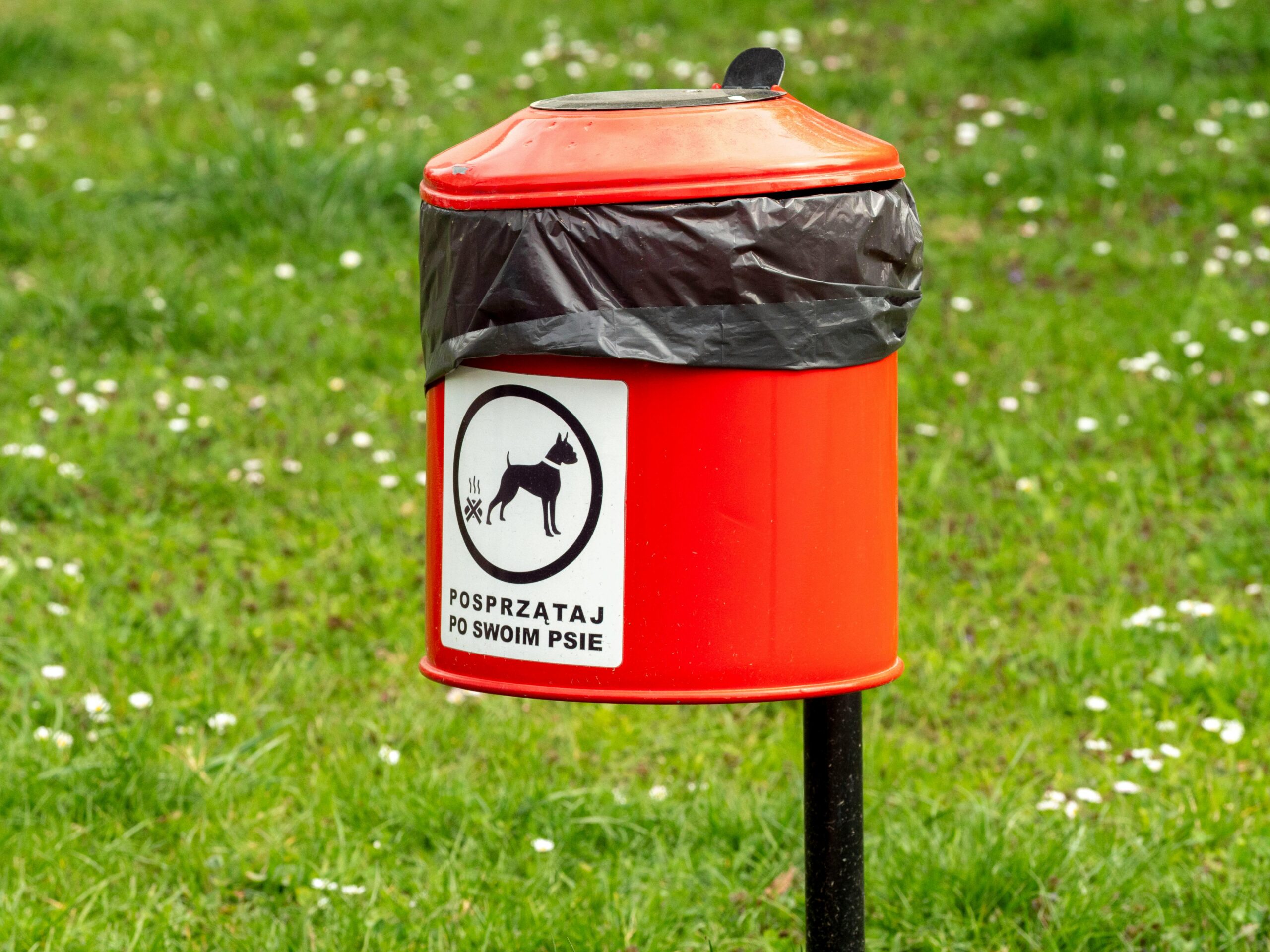
What a better summer routine looks like
A strong summer yard routine usually includes a few simple habits.
Keep cleanup consistent
Do not wait until the yard looks bad
Watch for early warning signs
Odor, flies, and thinning grass all tell a story.
Notice your dog’s patterns
Where they go matters just as much as how often
Adjust for weather
Rain and humidity change how fast problems build
Think seasonally
What worked in cooler months may not work now
These habits are not complicated, but they are powerful when repeated.
Wrapping It Up
There you have it. Four summer yard myths that deserve to be retired.
As you saw, summer yard care is evolving and your routine should too. Today it is more about consistency, awareness, and prevention. Not guesswork, delay, and wishful thinking.
I hope this post helps you avoid misleading advice so you can enjoy a cleaner yard, a healthier dog, and a much less stressful summer.
Now over to you
Which of these myths surprised you most
If you are realizing your current routine needs a little more support, Clean Paws Scooping is here to help North Metro Atlanta dog owners stay ahead of the mess with consistent, judgment free service.
