
Want a Cleaner Dog Yard This Summer? Avoid These 5 Rookie Mistakes
Hands up if you want a cleaner yard for your dog.
Now keep your hand up if you want it as quickly as possible.
Of course you do.
Most dog owners imagine a backyard where their dog can run freely, where kids can play without worry, and where stepping outside does not come with unpleasant surprises.
But somewhere along the way many people fall into the same traps. Maybe you tried scooping only when the yard looked bad. Maybe you relied on rain to “handle it.” Maybe you thought odor was just part of having dogs.
In this post I am going to walk you through five rookie mistakes dog owners make when trying to keep their yards clean during the hottest months of the year.
Grab a cold drink or a notebook and let’s dig in.
What Is Yard Sanitation for Dog Owners
Before you can build a clean and healthy yard routine, it helps to understand what yard sanitation actually means.
Yard sanitation simply refers to maintaining outdoor spaces so that waste does not build up, bacteria does not spread, and your dog can safely use the yard.
In simple terms it means
- removing waste consistently
• preventing odor buildup
• protecting the lawn from damage
• keeping the environment safe for pets and people
For dog owners this leads to several benefits.
A healthier yard environment
Less odor and bacteria
More comfortable outdoor spaces for dogs and families
Many homeowners only begin focusing on sanitation after learning how often you should scoop dog poop in summer to protect your yard and your dog.
Once you understand the seasonal impact of waste, routines start to make a lot more sense.
Rookie Mistake 1: Waiting Until the Yard Looks Bad
One of the biggest mistakes dog owners make is relying on visual cleanup.
A homeowner named Megan once told me she only scooped when she noticed several piles building up in the yard. From her perspective, it seemed efficient.
But there was one major problem.
Bacteria and odor were developing long before the yard looked messy.
This mistake is extremely common because
- waste can dry quickly in heat
• grass can hide smaller piles
• odor may take time to appear
So people assume everything is fine.
What to do instead
Create a predictable schedule.
Even a simple weekly routine dramatically reduces buildup and keeps small issues from turning into larger sanitation problems.
Mistake 2: Ignoring How Dogs Use the Yard
None of us is naive enough to think cleanup timing is the only issue that affects yard cleanliness.
The next biggest mistake I see dog owners make is ignoring behavior patterns.
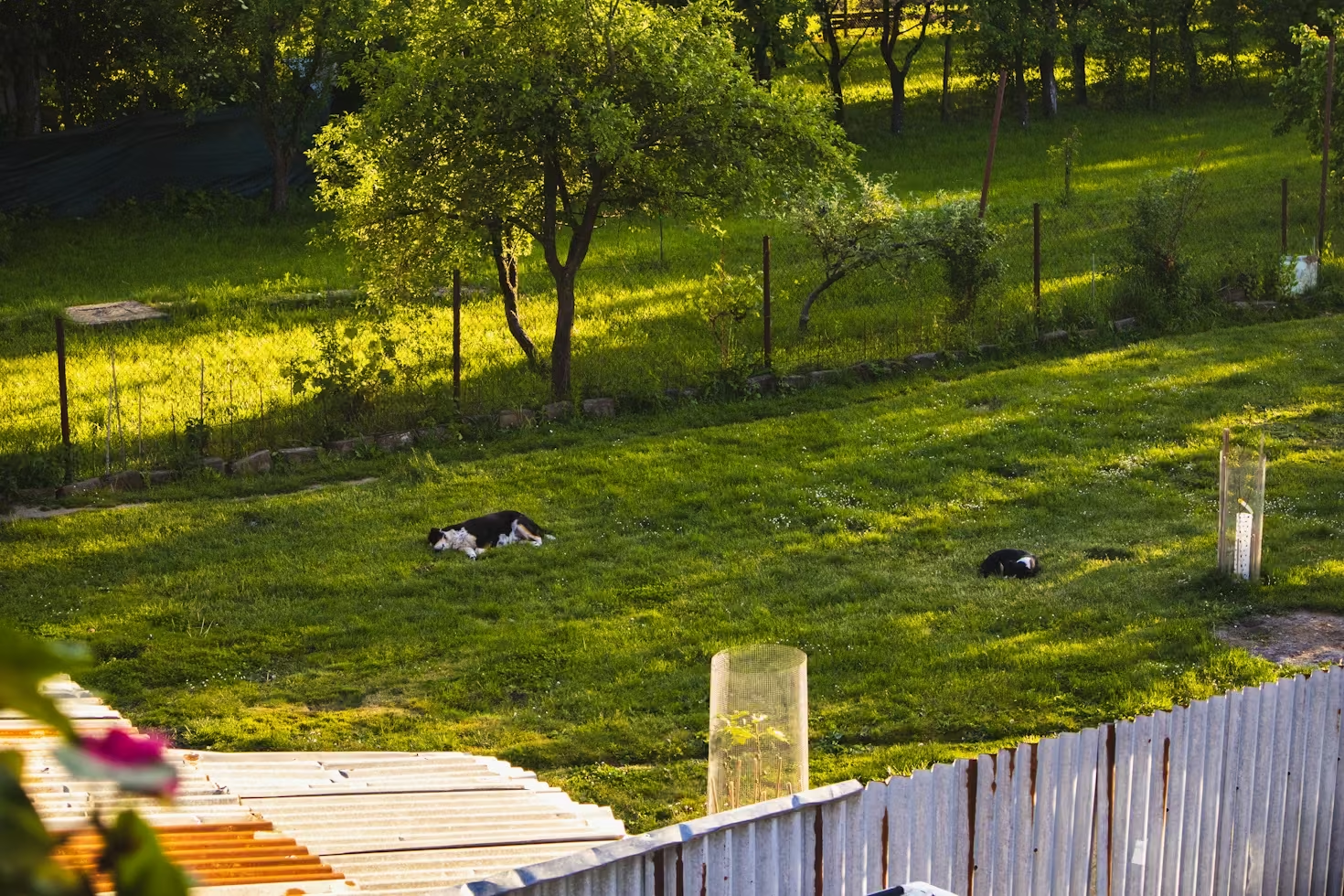
Dogs rarely use their yard randomly.
They tend to favor specific spots such as
- shaded fence lines
• cooler areas near trees
• soft patches of grass
When owners overlook these patterns, waste accumulates in concentrated areas.
Understanding how hot weather changes your dog’s bathroom habits during the summer months helps explain why these zones develop in the first place.
Dogs seek comfort in hot weather and often return to the same locations again and again.
What to do instead
Identify high use areas and inspect them regularly.
Once you know your dog’s favorite spots, keeping those areas clean becomes much easier.
Mistake 3: Assuming Odor Is Normal
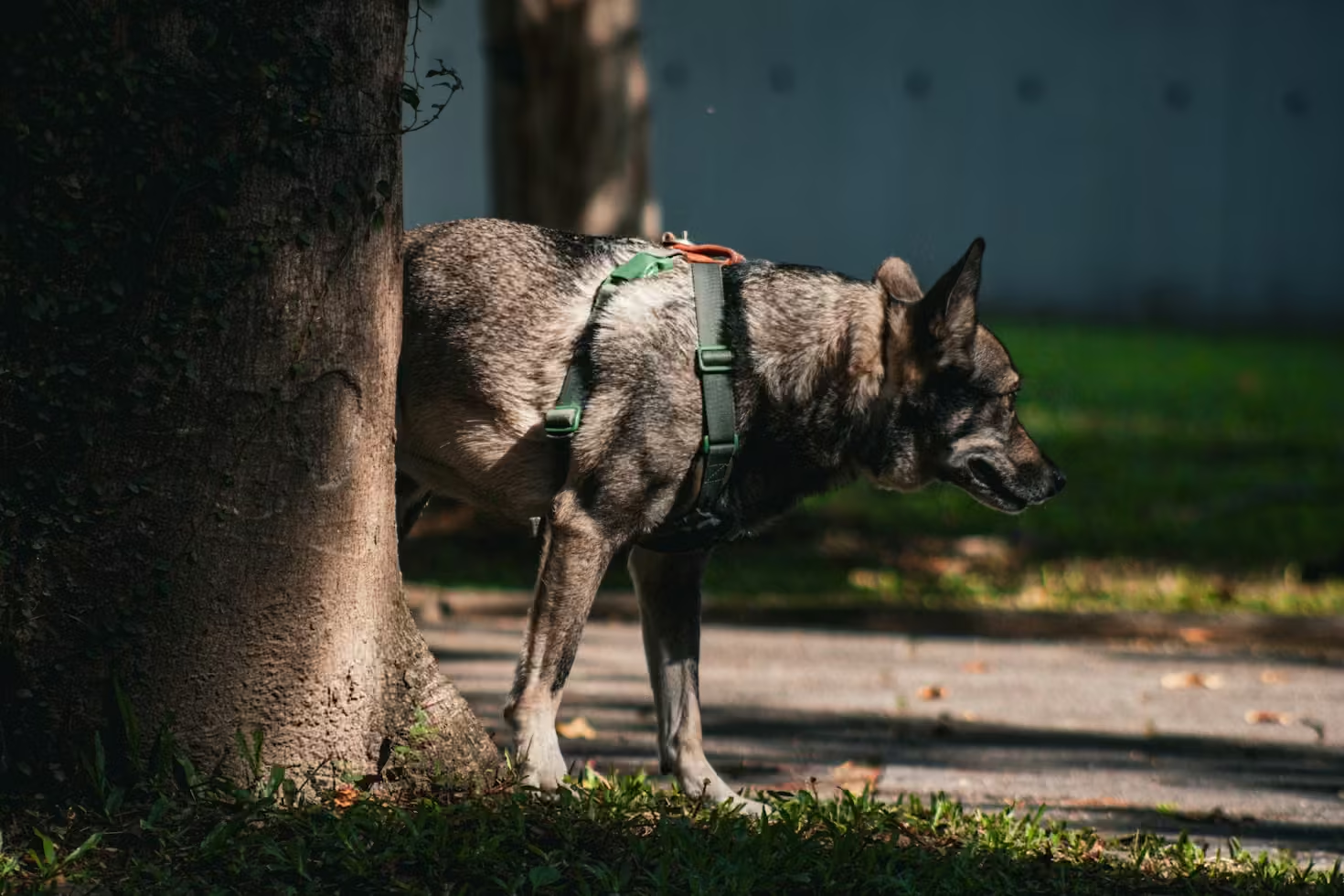
This one is easy to make and I have seen it happen countless times.
A yard starts to smell slightly stronger during the hottest weeks of summer and the owner assumes it is just part of the season.
But odor is rarely random.
It is usually a signal that waste has been sitting too long or that bacteria are building up beneath the surface.
Ignoring odor can lead to:
- lawn damage
- increased flies
- stronger smells after rain
What to do instead
Treat odor as an early warning system.
Investigate where the smell is strongest and adjust your routine before the issue spreads across the yard.
Mistake 4: Thinking Rain Will Solve the Problem
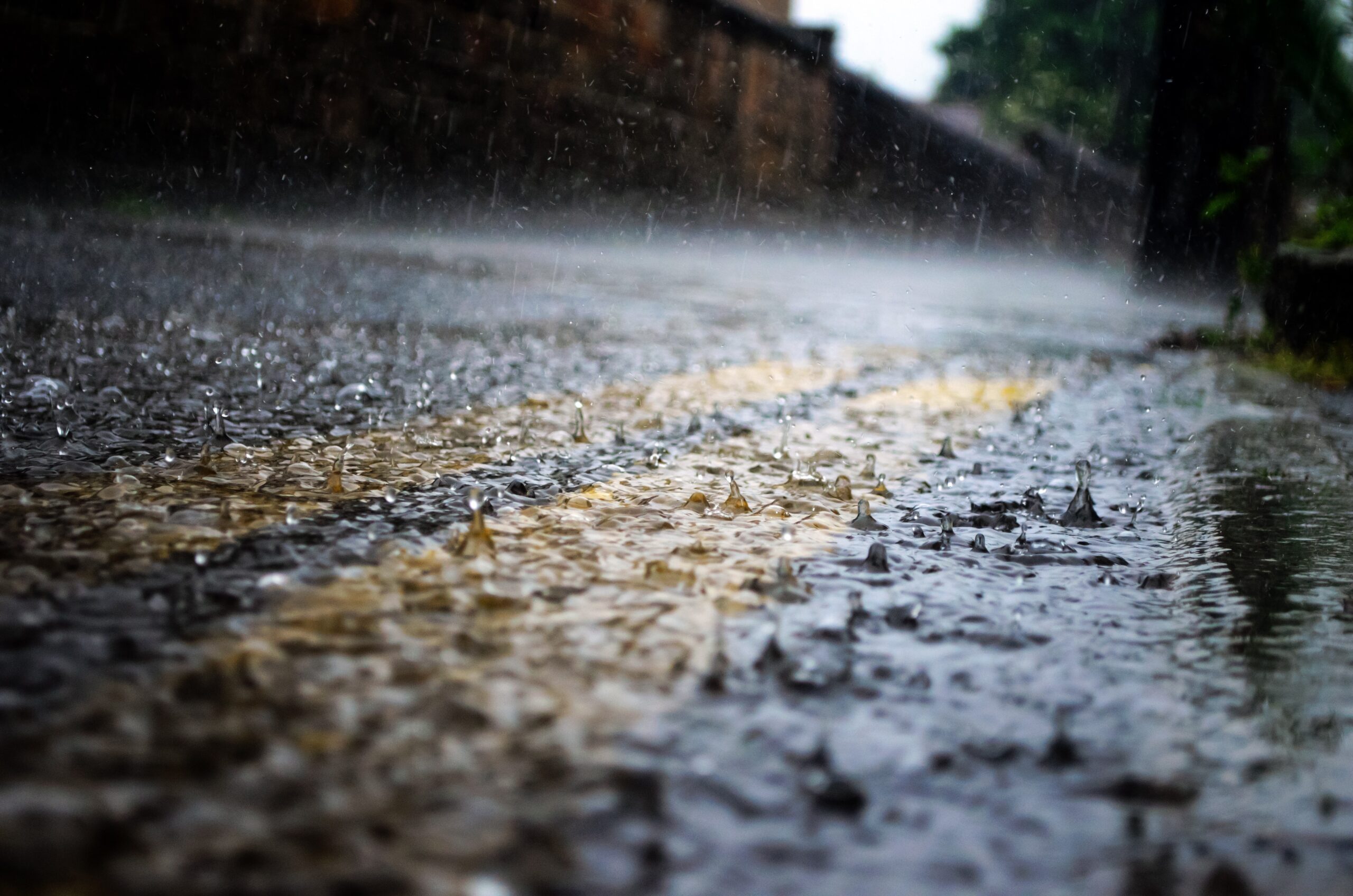
Many homeowners assume a summer storm will wash everything away.
Unfortunately rain often does the opposite.
Moisture can reactivate odor compounds and spread bacteria deeper into the soil. If waste is already sitting in the yard, rain may make the situation worse instead of better.
What to do instead
Maintain cleanup routines even during rainy weeks.
Staying consistent prevents the cycle of buildup followed by odor spikes after storms.
Mistake 5: Waiting Too Long to Fix Small Problems
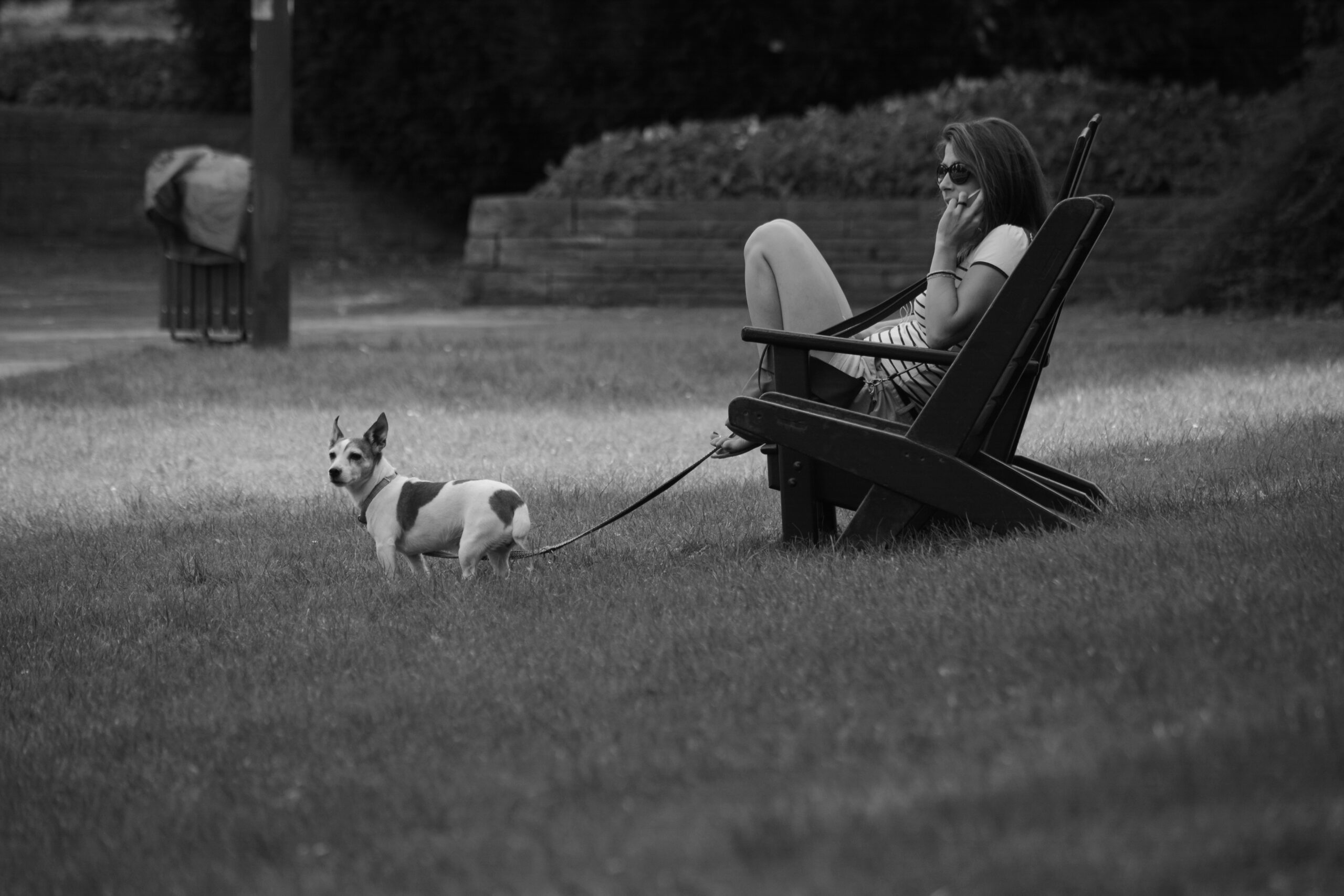
Small issues become bigger ones surprisingly quickly in summer.
Heat accelerates bacterial growth. Humidity amplifies smell. Increased outdoor activity puts more pressure on the yard.
A small sanitation problem that appears manageable today can turn into a frustrating cleanup project a few weeks later.
What to do instead
Act early.
When you notice warning signs such as repeated potty zones, stronger odor after rain, or thinning grass patches, adjust your routine immediately.
Small corrections now prevent large resets later.
Bonus How to Maintain a Cleaner Yard With Less Effort
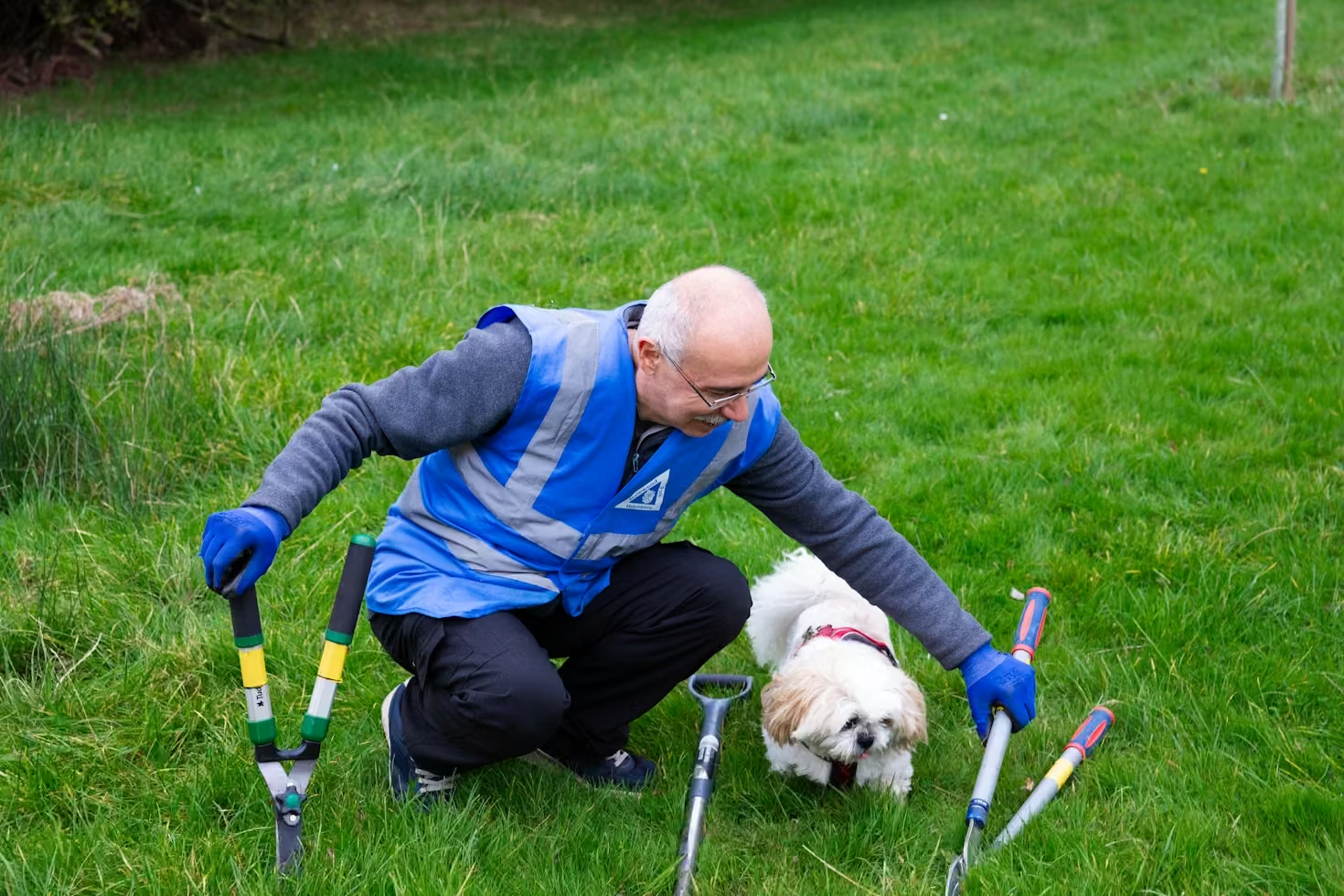
When I first started helping dog owners manage their yards, I noticed something interesting.
The homeowners with the cleanest yards were not necessarily working harder.
They simply followed a few key habits.
Tip 1: Always stay consistent. Even simple weekly routines prevent most sanitation problems.
Tip 2: Pay attention to behavior patterns. Your dog will tell you where the problem areas are.
Tip 3: Address odor early. Smell is information, not just annoyance.
Tip 4: Adjust routines seasonally. Summer heat changes how waste behaves.
Tip 5: Keep things simple. Overcomplicated systems are harder to maintain.
These habits make yard care easier instead of harder.
About Clean Paws Scooping
In conclusion, the difference between a frustrating yard and a manageable one often comes down to avoiding a few common mistakes.
Like many dog owners, we have seen firsthand how small changes in routine can dramatically improve outdoor spaces.
That is exactly why Clean Paws Scooping exists.
We started this business to help North Metro Atlanta dog owners enjoy cleaner yards without spending their weekends chasing the problem.