
Why Some Dogs Become More Territorial in the Fall and How to Handle It
I do not think I need to tell you there is a lot that goes into understanding dog behavior.
You have to pay attention to routines.
Then there is body language.
And you have to understand environmental changes, stress levels, energy outlets, and social interactions.
It is enough to make some dog owners want to throw their hands in the air and wonder what suddenly changed.
But here is the thing.
When you really understand seasonal dog behavior, it creates an incredible opportunity to help your dog feel calmer, safer, and more confident throughout the year.
In this guide, I will answer some of the biggest questions dog owners ask about territorial behavior during the fall season and explain what may actually be going on behind the barking, guarding, pacing, or sudden reactivity.
Many North Metro Atlanta dog owners notice behavior changes once fall arrives. Cooler temperatures usually mean:
- more walks
- more outdoor activity
- more neighborhood distractions
- kids returning to school
- visitors during football season and holidays
- increased dog park activity
All of those changes can affect how dogs react to their environment.
The good news is that territorial behavior is often manageable once you understand the triggers behind it.
#1: What Is the Best Way to Approach Territorial Behavior?
There are many different ways to approach territorial behavior, and the key is finding methods that help your dog feel more secure instead of simply punishing the reaction itself.
At the end of the day, dogs usually become territorial because something in their environment feels overstimulating, unpredictable, or worth guarding.
That said, here are several approaches that work well for many dogs.
Create More Predictable Routines
Dogs thrive on consistency.
Fall often disrupts routines more than owners realize. Families become busier, school schedules change, outdoor activity increases, and guests visit more frequently.
When routines suddenly shift, some dogs become more alert and protective.
One of the easiest ways to reduce stress is creating more predictable structure around:
- feeding
- walks
- potty breaks
- exercise
- quiet time
- bedtime
Dogs that know what to expect often feel less pressure to constantly monitor their environment.
Redirect Before Reactions Escalate
Many owners wait too long before stepping in.
Once barking or lunging starts, your dog is already emotionally overwhelmed.
Instead, try redirecting attention earlier using:
- movement
- commands
- treats
- toys
- distance from triggers
Most owners do not realize how much easier it becomes to manage behavior when they intervene before the reaction fully builds.
Focus on Calm Exposure
Avoiding all triggers completely is usually unrealistic.
Instead, gradual calm exposure often works better over time.
For example:
- controlled walks
- observing other dogs from a distance
- calm introductions
- practicing obedience outdoors
- rewarding relaxed behavior
Dogs build confidence through repetition and positive experiences.
If your dog struggles during busy outdoor activities, learning better ways to reinforce calm behavior around other dogs can help make public environments feel less overwhelming.
#2: What Should I Be Doing Every Week?
The best way to improve territorial behavior is consistency.
Behavior training is rarely about one perfect day. It is about small repeated habits over time.
Here are some focus areas that help many dog owners.
Daily
Daily exercise matters more than most people realize.
Dogs with too much unspent energy often become:
- more reactive
- more anxious
- more vocal
- more territorial
Mental stimulation is just as important as physical activity.
Training sessions, sniff walks, puzzle toys, and structured play all help reduce overstimulation.
Weekly
Pay attention to behavior patterns.
Ask yourself:
- When does the barking happen?
- What triggers it?
- Is it worse at certain times?
- Does it happen near fences?
- Does it involve visitors?
- Does it happen after busy weekends?
Patterns help you identify root causes instead of guessing.
Monthly
Evaluate your dog’s environment.
Sometimes territorial behavior becomes worse because outdoor spaces feel stressful or overstimulating.
This can include:
- crowded yards
- fence exposure
- strong odors
- neighborhood distractions
- excess noise
- unfamiliar animals nearby
Cleaner calmer outdoor environments can help some dogs feel significantly more relaxed overall.
#3: How Long Does It Take to Improve Territorial Behavior?
I know most dog owners want behavior changes immediately.
Unfortunately, behavior work does not happen overnight.
You cannot rush confidence building.
Trying to force progress too quickly often creates more stress and setbacks.
Most successful behavior improvement happens through:
- repetition
- consistency
- patience
- realistic expectations
Small improvements matter.
For example:
- fewer barking episodes
- quicker recovery times
- improved focus outdoors
- calmer leash walks
- better visitor greetings
Those are major wins.
Before you know it, those small victories begin stacking together into larger long term progress.
Instead of focusing on how fast behavior changes happen, focus on building trust and stability.
That process matters far more than perfection.
#4: Is There a Faster Way to Reduce Territorial Barking?
I get it.
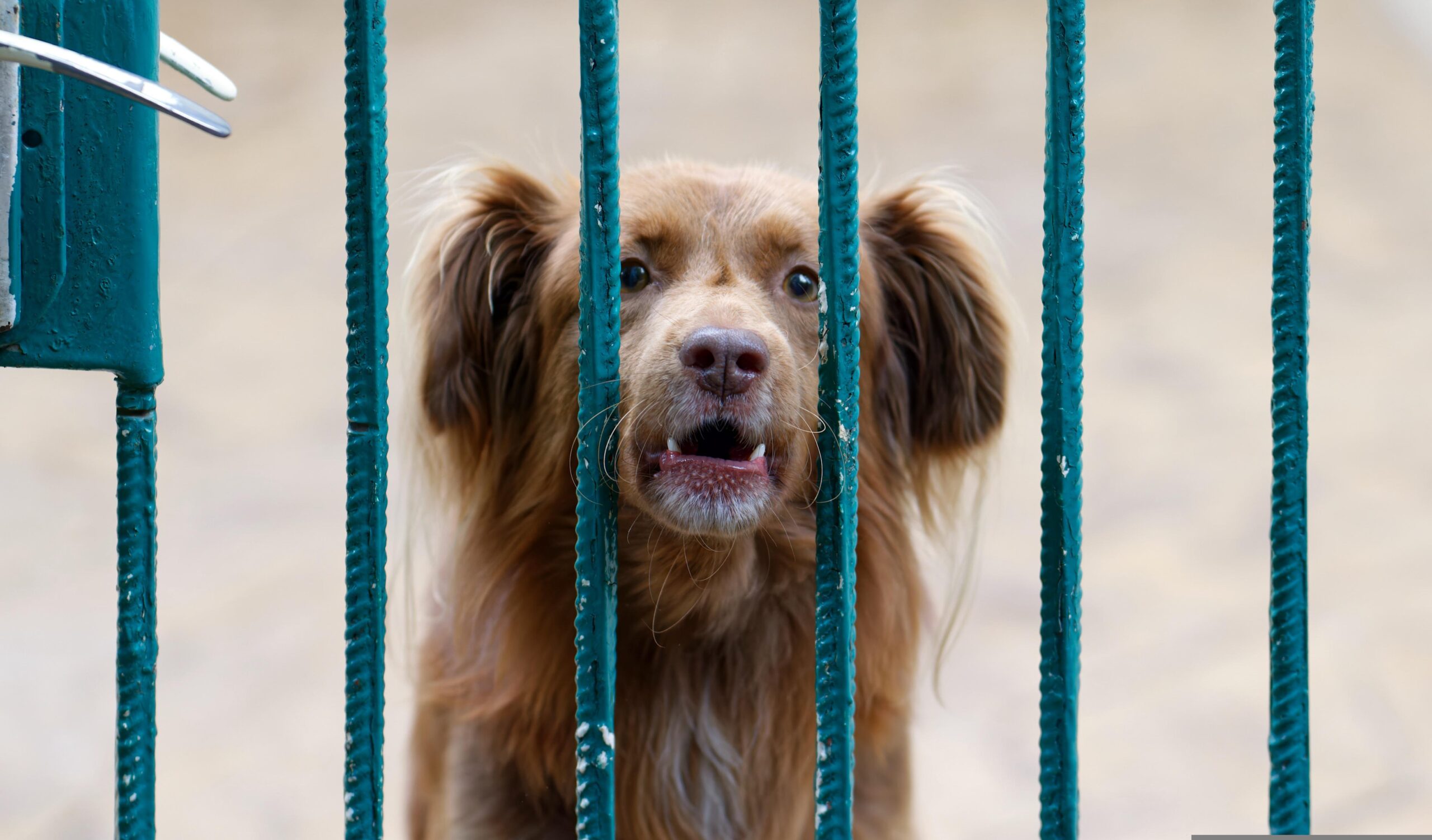
Territorial barking can feel exhausting.
Especially during fall when:
- windows are open more often
- people spend more time outside
- dogs hear more neighborhood activity
- delivery traffic increases
- guests visit more frequently
Here are several ways to reduce barking triggers more efficiently.
Block Visual Triggers
Fence lines and windows often create repetitive stress.
Some dogs become hyper focused on movement outside.
Using:
- privacy fencing
- frosted windows
- visual barriers
- indoor redirection
can dramatically reduce reactive behavior.
Increase Mental Exercise
A mentally tired dog is often calmer than a physically tired dog alone.
Training games, scent work, obedience drills, and puzzle feeders all help reduce excess arousal.
Reward Calmness More Often
Many owners accidentally give attention only when dogs react.
Instead, reward calm relaxed behavior regularly throughout the day.
This teaches dogs that calmness itself creates positive outcomes.
But the most important thing?
Do not wait until behavior becomes extreme before working on it.

#5: How Do I Know What to Focus on Next?
Sometimes it is hard to know whether you should focus on:
- socialization
- training
- exercise
- environment changes
- confidence building
- professional help
It depends on where your dog currently is.
If Your Dog Is Mildly Reactive
Focus on:
- consistency
- obedience
- calm exposure
- structure
If Your Dog Is Becoming More Intense
Focus on:
- reducing triggers
- creating distance
- avoiding overstimulation
- professional guidance if needed
If Your Dog Is Highly Anxious or Aggressive
Safety should become the priority.
That may include:
- trainers
- veterinarians
- behavior specialists
- controlled environments
More than anything else, your dog’s emotional state should guide your decisions.
#6: What Environmental Factors Make Territorial Behavior Worse?
If you are ready to improve your dog’s behavior, paying attention to environmental stressors matters.
Many dogs become more reactive because their environment constantly keeps them on alert.
Some common contributors include:
- noisy neighborhoods
- fence running
- overcrowded yards
- constant stimulation
- inconsistent routines
- excess energy
- outdoor odors
- wildlife activity
Fall weather often increases outdoor activity dramatically.
Dogs hear:
- more lawn equipment
- football gatherings
- visitors
- delivery trucks
- barking dogs
- neighborhood activity
all while spending more time outdoors themselves.
This combination can raise arousal levels quickly.
Cleaner outdoor spaces also matter more than people realize.
Dogs are extremely scent driven animals.
If your yard has lingering odors or buildup issues, understanding how outdoor conditions can affect your dog’s stress and behavior patterns becomes much more important.
#7: What Am I Doing Wrong?
If you have been trying to stop territorial behavior without success, do not panic.
This is one of the most common struggles dog owners face.
Usually the problem is not that owners are doing nothing.
It is that they are reacting too late or sending mixed signals.
Some common mistakes include:
- yelling after reactions start
- inconsistent rules
- lack of exercise
- too much uncontrolled stimulation
- accidentally rewarding barking
- expecting instant improvement
The way to fix this is focusing on calmer structured repetition instead of punishment alone.
Here is how to start.
First, identify the biggest triggers.
Next, reduce opportunities for overstimulation.
Finally, reward calmness consistently before reactions escalate.
Most progress happens slowly and quietly over time.

#8: How Do I Avoid Making Territorial Behavior Worse?
Every time some owners see territorial behavior, they unintentionally increase stress.
Sound familiar?
It is frustrating because most people are genuinely trying to help.
One of the biggest things to avoid is overwhelming your dog too quickly.
Too much stimulation without enough recovery time can increase:
- anxiety
- frustration
- reactivity
- guarding behavior
Instead:
- create calm routines
- allow decompression time
- avoid chaotic introductions
- give dogs personal space
- build confidence gradually
Many dogs simply need better structure and calmer environments to feel safe again.
WRAPPING IT UP
Now you have the real scoop on why territorial behavior often becomes more noticeable during the fall season.
From increased outdoor activity and environmental changes to overstimulation and shifting routines, there are many reasons dogs may suddenly seem more reactive once temperatures cool down.
The good news is that most territorial behavior can improve significantly with patience, structure, consistency, and calmer daily routines.
Small changes often create the biggest long term results.
Support Local. Stay Clean. Stay Safe.
At Clean Paws Scooping, we help dog owners across North Metro Atlanta create cleaner safer outdoor spaces for dogs to enjoy year round.
Our professional pet waste management services help reduce yard stress, odors, and environmental buildup so homeowners can spend more time enjoying their outdoor spaces with their dogs.
We offer weekly, biweekly, twice weekly, and monthly service options along with deodorizer and disinfectant treatments.
Ready to retire from poop scooping?
Get a free instant quote today at Clean Paws Scooping